All zoos in Europe where you can see Rats — covering all species.
 #1
#1
Saint-Aignan, France
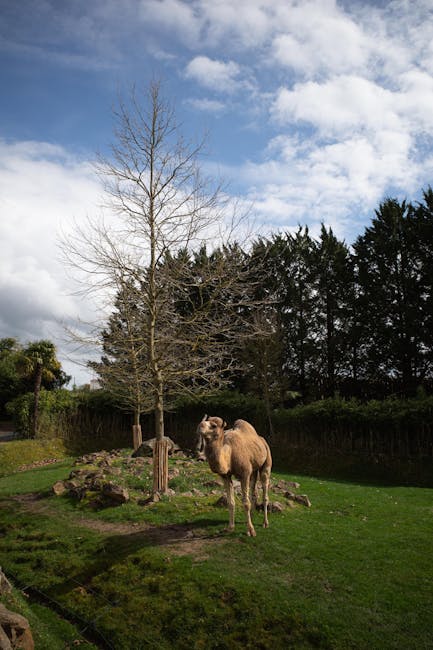
ZooParc de Beauval, commonly known as Beauval Zoo, is a renowned zoological park located in Saint-Aignan-sur-Cher in the Centre-Val de Loire region of France. Established in 1980 by Françoise Delord, the zoo began as a bird park and has since grown into one of the largest and most diverse animal collections in France and Europe. Today, Beauval Zoo spans 40 hectares and is home to over 35,000 animals representing 800 species, including rare and endangered species such as giant pandas, okapis, tree kangaroos, and koalas. The zoo is famous for being the first in France to present leucistic big cats like white tigers and white lions, which significantly boosted its popularity. Visitors can explore a variety of themed zones, including expansive greenhouses for birds and great apes, large plains for African and Asian herbivores, and unique attractions like a free-flight bird show and a sea lion basin. Beauval Zoo is also a leader in conservation, participating in European Endangered Species Programmes and supporting wildlife reintroduction efforts.
 #2
#2
Vienna, Austria
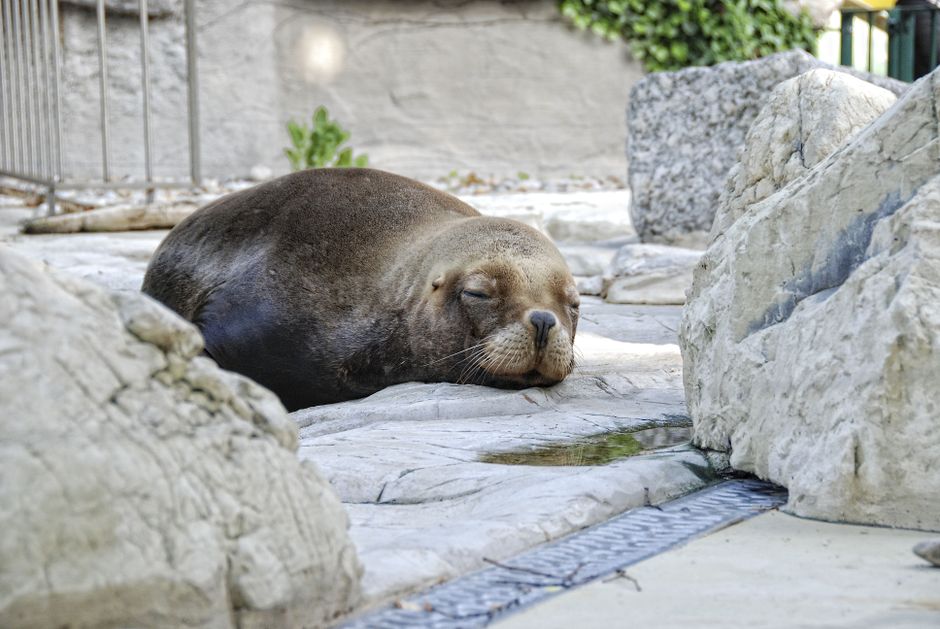
Vienna Zoo, also known as Schönbrunn Zoo, is located within the grounds of the UNESCO World Cultural Heritage site at Schönbrunn Palace in Vienna, Austria. It is renowned as the world's oldest continuously operating zoo, offering visitors a unique blend of historical architecture and modern animal habitats. The zoo is home to around 500 animal species, ranging from penguins and orangutans to koalas and giant pandas. Visitors can explore a variety of themed habitats that recreate environments from the arctic to the tropics, providing immersive experiences for all ages. The zoo is celebrated for its beautiful setting and is often referred to as 'the world’s most beautiful zoo,' making it a must-see attraction for tourists and locals alike.
 #3
#3
Gdansk, Poland
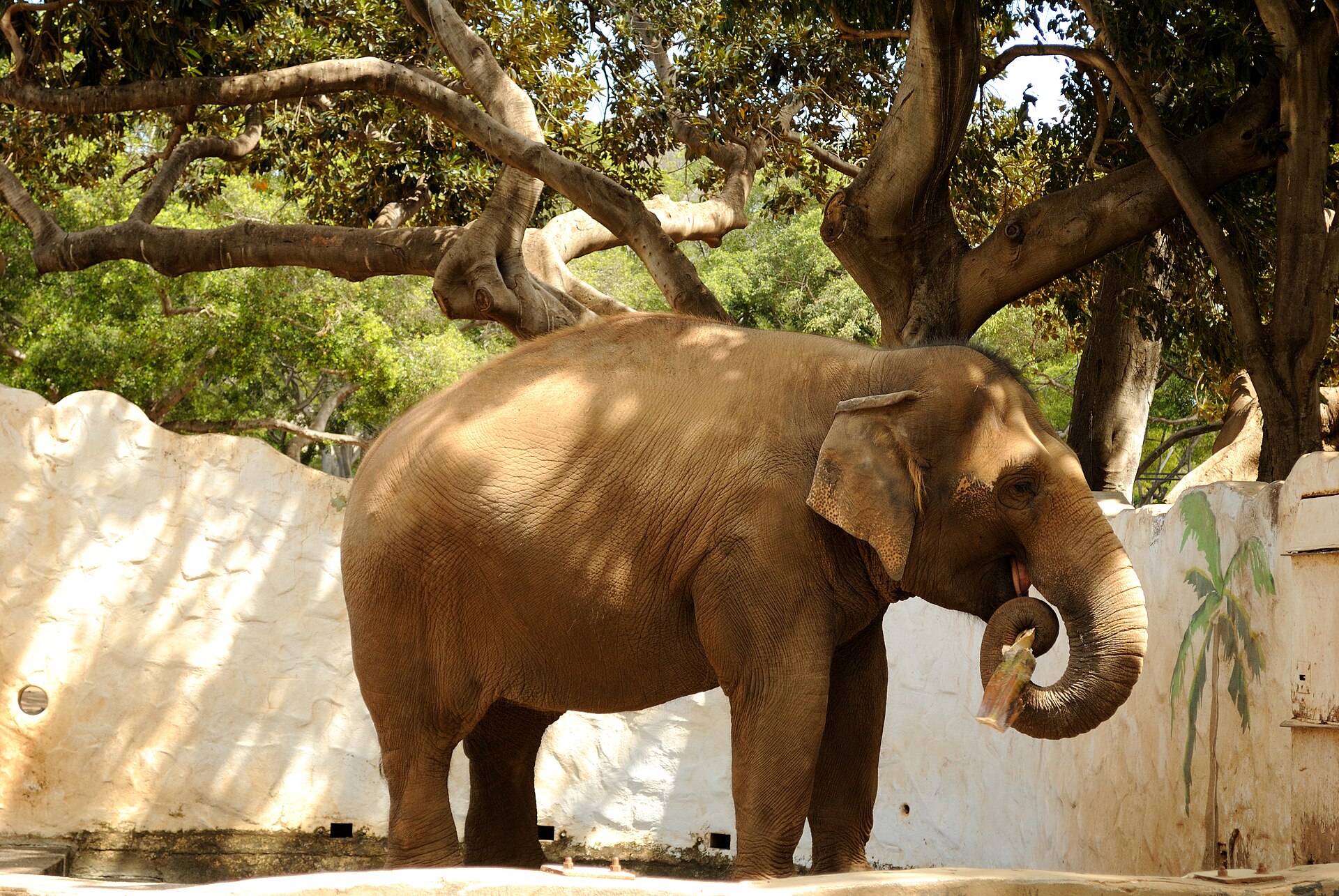
Gdansk Zoo, officially known as Ogród Zoologiczny w Gda?sku, is a prominent zoological garden located in Gda?sk, Poland. Established in 1954, the zoo spans approximately 125 hectares, making it one of the largest zoos in the country by area. It is home to animals from all continents, offering visitors the chance to see a diverse range of species in spacious, naturalistic enclosures. The zoo is a member of the European Association of Zoos and Aquaria (EAZA), which allows it to participate in over 50 European breeding programs for endangered species. Visitors can expect a year-round experience with educational and recreational packages, as well as opportunities to learn about conservation and animal care.
 #4
#4
Gda?sk, Poland
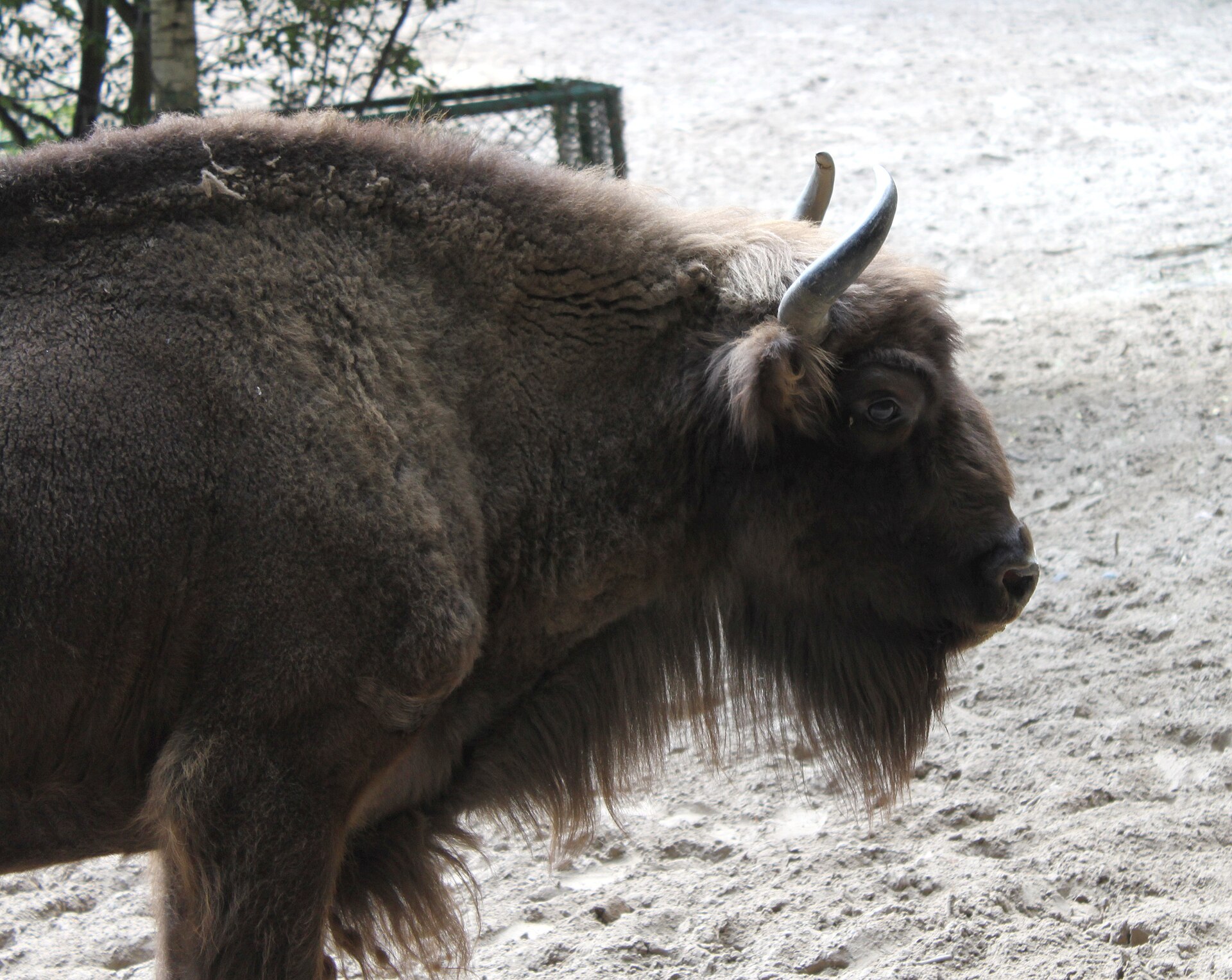
The Zoological Garden in Gda?sk, established in 1954, is a prominent zoo located in northern Poland. Spanning approximately 125 hectares, it is home to animals from all continents, offering visitors a diverse and immersive wildlife experience. The zoo houses 164 species and a total of 868 individual animals, making it one of the largest zoological collections in the region. As a member of the European Association of Zoos and Aquaria (EAZA), the Gda?sk Zoo actively participates in over 50 European breeding programs for endangered species. Visitors can expect well-maintained habitats, educational programs, and opportunities to observe rare and exotic animals throughout the year.
 #5
#5
Langnau im Emmental, Switzerland
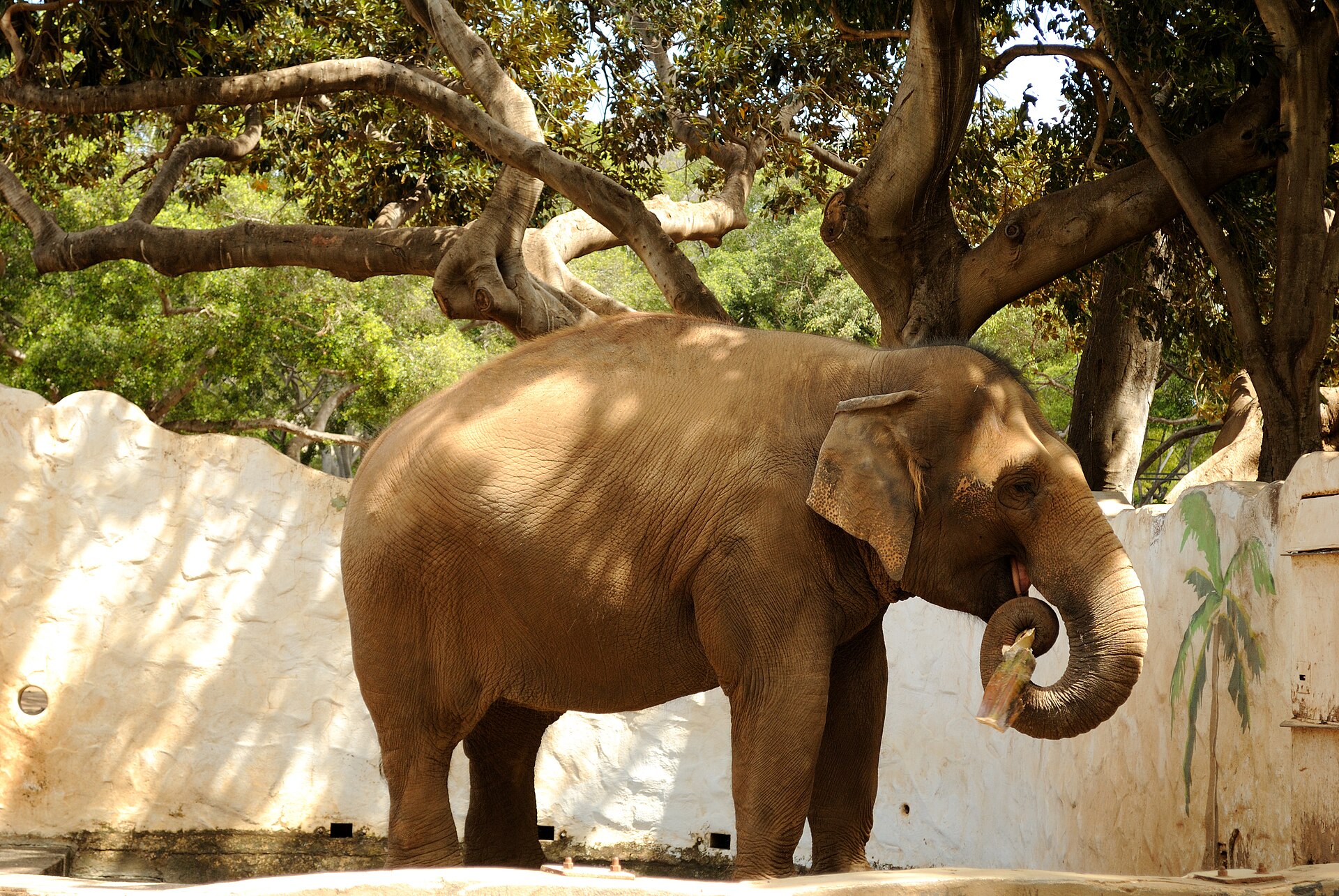
Tierpark Langnau, officially known as Tierpark Langenberg, is part of the Wildnispark Zürich and is located in Langnau am Albis, near the cities of Zürich and Zug. The zoo specializes in native European wildlife, offering visitors the chance to encounter animals such as lynxes, which are bred and sometimes released into the wild to support conservation efforts. The park is known for its naturalistic enclosures and its commitment to providing animals with environments that closely resemble their natural habitats. Visitors can enjoy a variety of experiences, including guided tours, animal feeding demonstrations, and special events like brunches and safaris. The park is also involved in important conservation projects, such as the reintroduction of lynxes to help maintain healthy populations in Europe.
 #6
#6
Stuttgart, Germany
Wilhelma Zoological and Botanical Garden, located in Stuttgart, Germany, is a unique combination of zoo and botanical garden. It is renowned for its historical architecture, originally built as a royal palace in the mid-19th century, which now houses a diverse collection of animals and plants. Visitors can explore a wide variety of animal species from around the world, as well as extensive botanical displays, including greenhouses and themed gardens. The zoo regularly hosts educational events and interactive programs for children and families. Wilhelma is also actively involved in global conservation projects, supporting the protection of endangered species and habitats.
 #7
#7
Berlin, Germany
Tierpark Berlin is located in the heart of former East Berlin, not far from Alexanderplatz. Spanning 160 hectares, it is the largest zoo in Europe by area. The park surrounds the historic Friedrichsfelde Palace, offering visitors a unique blend of cultural heritage and natural beauty. Tierpark Berlin is home to animals from all over the world, providing expansive habitats and immersive experiences. Visitors can expect to see a wide variety of species, enjoy themed animal talks and feedings, and explore beautifully landscaped grounds.
 #8
#8
Amersfoort, Netherlands
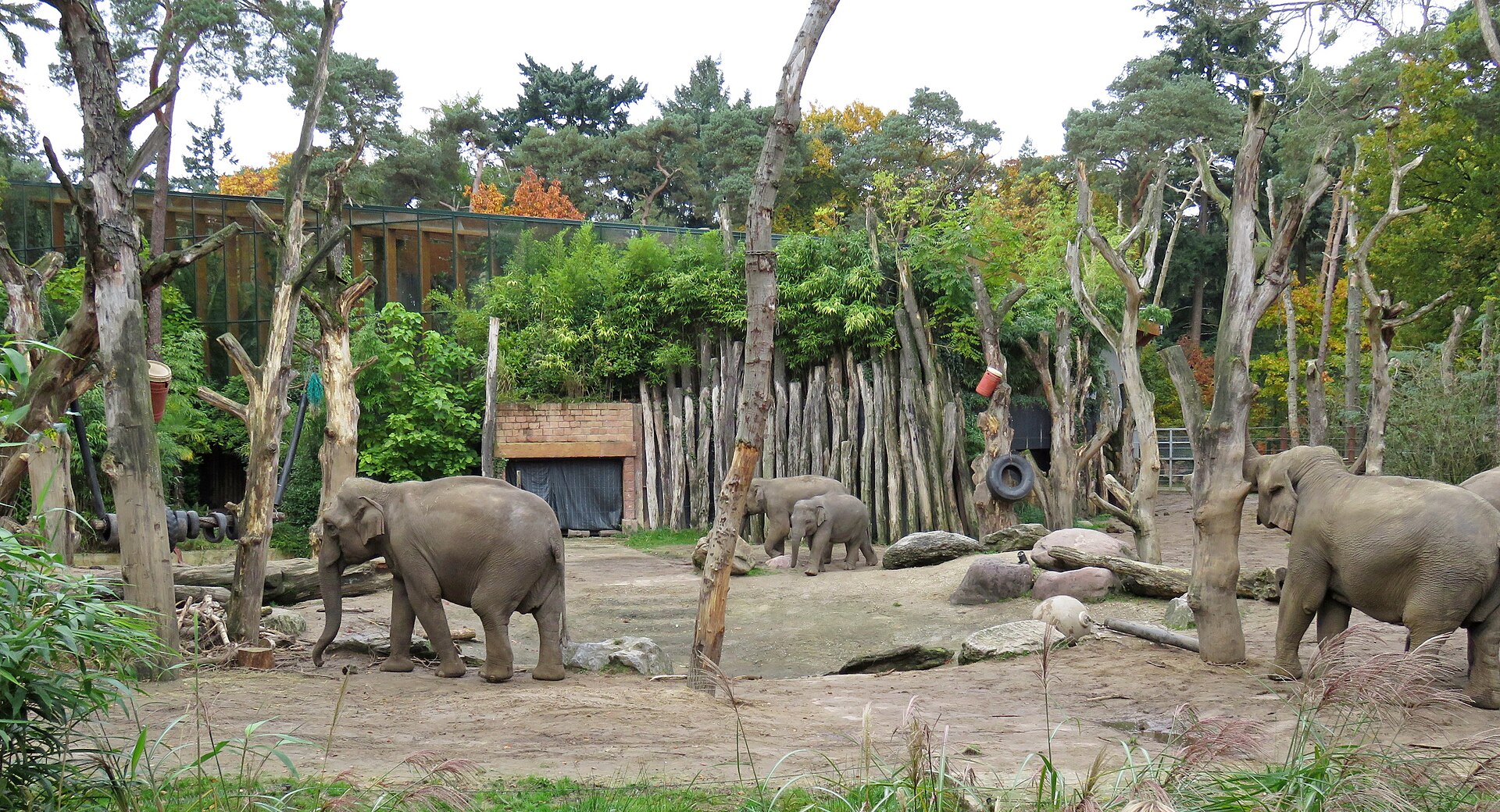
DierenPark Amersfoort is a zoo located in the Netherlands, known for its adventurous and child-friendly atmosphere. The zoo offers visitors the chance to meet a wide variety of animals, including rare species such as the Somali wild ass, which was recently introduced to the park. One of the highlights for families is the interactive 'Klim Alles-route', where children can climb and scramble to get close to the animals. The park also features unique experiences such as boat rides past giraffes and zebras, and a dedicated Dinopark area. Throughout the year, DierenPark Amersfoort hosts special events and festivals, making each visit a new adventure for guests of all ages.
 #9
#9
Dresden, Germany
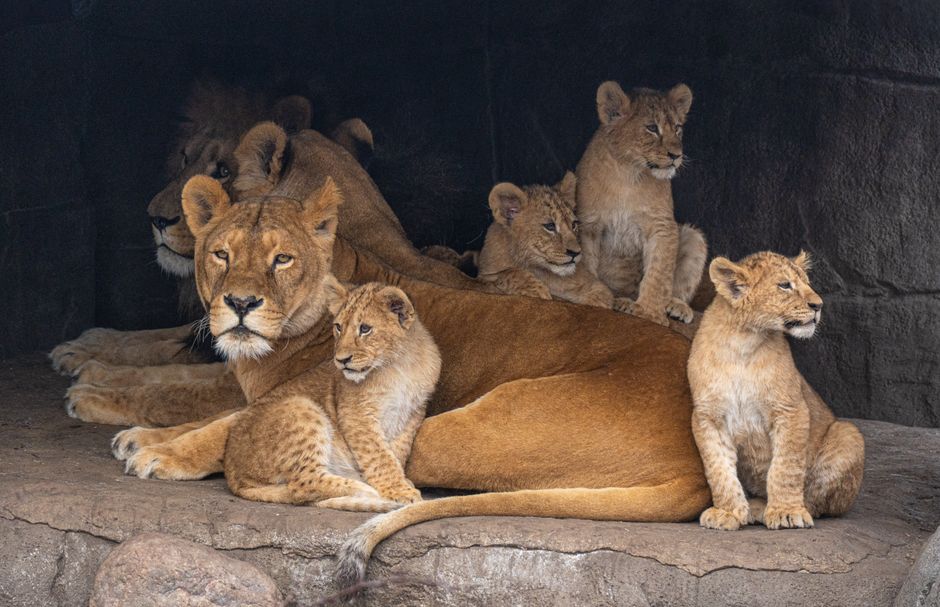
Dresden Zoo is a well-established zoological garden located in the heart of Dresden, Germany. Founded in the 19th century, it has become a beloved destination for families, school groups, and animal enthusiasts. The zoo spans approximately 13 hectares and is home to a diverse collection of animals, with nearly 950 individual animals representing over 200 species. Visitors can expect daily animal feedings, interactive educational events, and opportunities to observe rare and exotic species such as koalas, Sunda gharials, and Aldabra giant tortoises. Open 365 days a year, Dresden Zoo offers a blend of recreation, education, and conservation, making it a vibrant part of the city's cultural landscape.
 #10
#10
Copenhagen, Denmark
Copenhagen Zoo, known as Zoologisk Have København, is one of the oldest zoos in Europe and is located in Frederiksberg, Copenhagen. The zoo offers visitors the chance to explore a wide variety of animals from around the world, including recent additions such as a newborn giraffe and a new male lion. Visitors can enjoy interactive experiences like the Børnezoo, where families can meet farm animals up close, and explore indoor animal houses for close encounters with exotic species. The zoo regularly updates and expands its animal enclosures, such as the new 160-meter leopard trail, providing enriched environments for its inhabitants. With a focus on both education and entertainment, Copenhagen Zoo is a popular destination for families and animal lovers, offering activities, feeding sessions, and special events throughout the year.

