All zoos in Europe where you can see Caimans — covering all species.
 #1
#1
Avintes, Portugal
Zoo Santo Inácio is the largest and greenest zoo in northern Portugal, located just 10 minutes from the center of Porto in Vila Nova de Gaia. The zoo is home to over 500 animals representing more than 100 different species, offering visitors a chance to experience a wide variety of wildlife up close. Established with a strong mission of conservation, the zoo is dedicated to the protection and preservation of wild species, especially those threatened with extinction. Visitors can expect immersive experiences such as observing lions through a glass tunnel, participating in seasonal events like the 'Wild Lights' nighttime illumination, and engaging in educational activities for all ages. The zoo is praised for its spacious, natural environment, well-maintained facilities, and friendly, professional staff, making it an ideal destination for families and nature enthusiasts.
 #2
#2
Kraków, Poland
Kraków Zoo, officially known as the Kraków Zoological Garden, is located in Kraków, Poland and was established in 1929. The zoo is situated in the scenic Las Wolski forest, near the historic Camaldolese Hermit Monastery in Bielany. It houses over 1,500 animals representing around 260 species, making it one of the most diverse zoological collections in Poland. The zoo has a rich history, with the tradition of keeping exotic animals in Kraków dating back to the Middle Ages, including a royal menagerie on Wawel Hill. Visitors can expect to see a wide variety of animals, including rare and endangered species, and enjoy modern facilities set within nearly 17 hectares of natural surroundings.
 #3
#3
Gdansk, Poland
Gdansk Zoo, officially known as Ogród Zoologiczny w Gda?sku, is a prominent zoological garden located in Gda?sk, Poland. Established in 1954, the zoo spans approximately 125 hectares, making it one of the largest zoos in the country by area. It is home to animals from all continents, offering visitors the chance to see a diverse range of species in spacious, naturalistic enclosures. The zoo is a member of the European Association of Zoos and Aquaria (EAZA), which allows it to participate in over 50 European breeding programs for endangered species. Visitors can expect a year-round experience with educational and recreational packages, as well as opportunities to learn about conservation and animal care.
 #4
#4
Gda?sk, Poland
The Zoological Garden in Gda?sk, established in 1954, is a prominent zoo located in northern Poland. Spanning approximately 125 hectares, it is home to animals from all continents, offering visitors a diverse and immersive wildlife experience. The zoo houses 164 species and a total of 868 individual animals, making it one of the largest zoological collections in the region. As a member of the European Association of Zoos and Aquaria (EAZA), the Gda?sk Zoo actively participates in over 50 European breeding programs for endangered species. Visitors can expect well-maintained habitats, educational programs, and opportunities to observe rare and exotic animals throughout the year.
 #7
#7
Linz, Austria
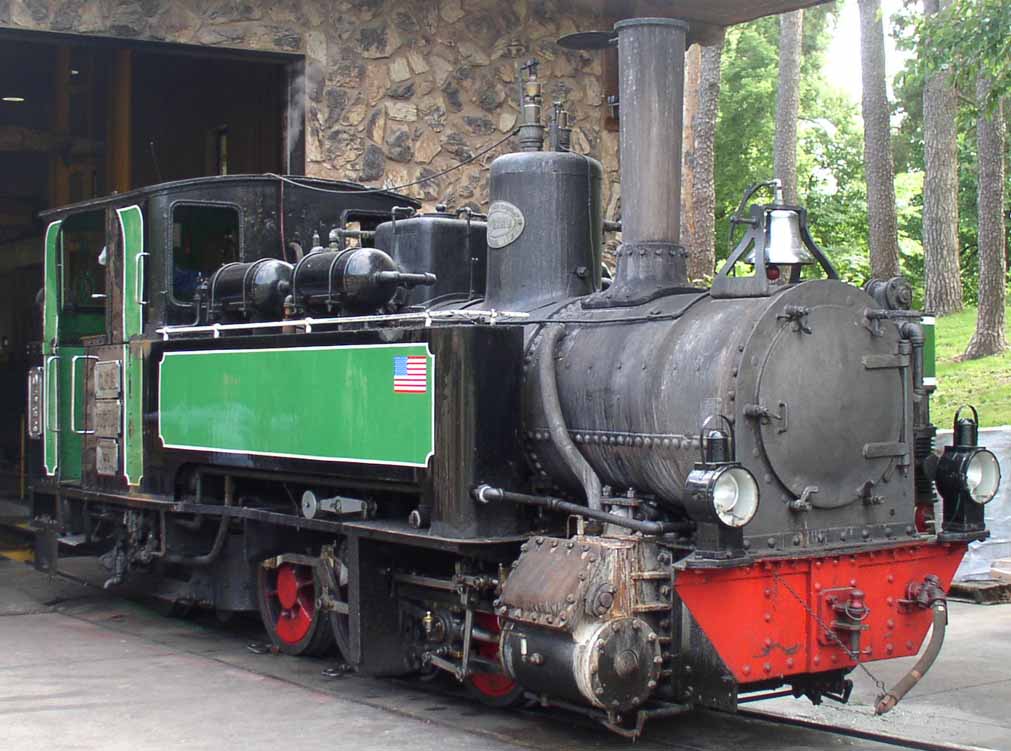
Zoo Linz, also known as Tiergarten Linz, is located halfway up the Pöstlingberg hill, adjacent to the Urfahrwänd nature reserve, and offers visitors a stunning view of the city of Linz. The zoo is a scientifically managed, non-profit institution dedicated to the care and preservation of animal species, especially those threatened with extinction. Covering nearly 4 hectares, Zoo Linz is home to around 600 animals from approximately 100 different species, both exotic and native. Visitors can explore beautifully designed outdoor enclosures featuring animals such as meerkats, zebras, red pandas, antelopes, kangaroos, and parrots, as well as a modern tropical house for caimans, giant snakes, and monkeys. The zoo also features a 'House of Biodiversity' with many small exotic species, a petting area with dwarf goats, a rabbit tunnel, and an 'Alpine hut' with scenic views, making it a memorable experience for families.
 #8
#8
Rhenen, Netherlands
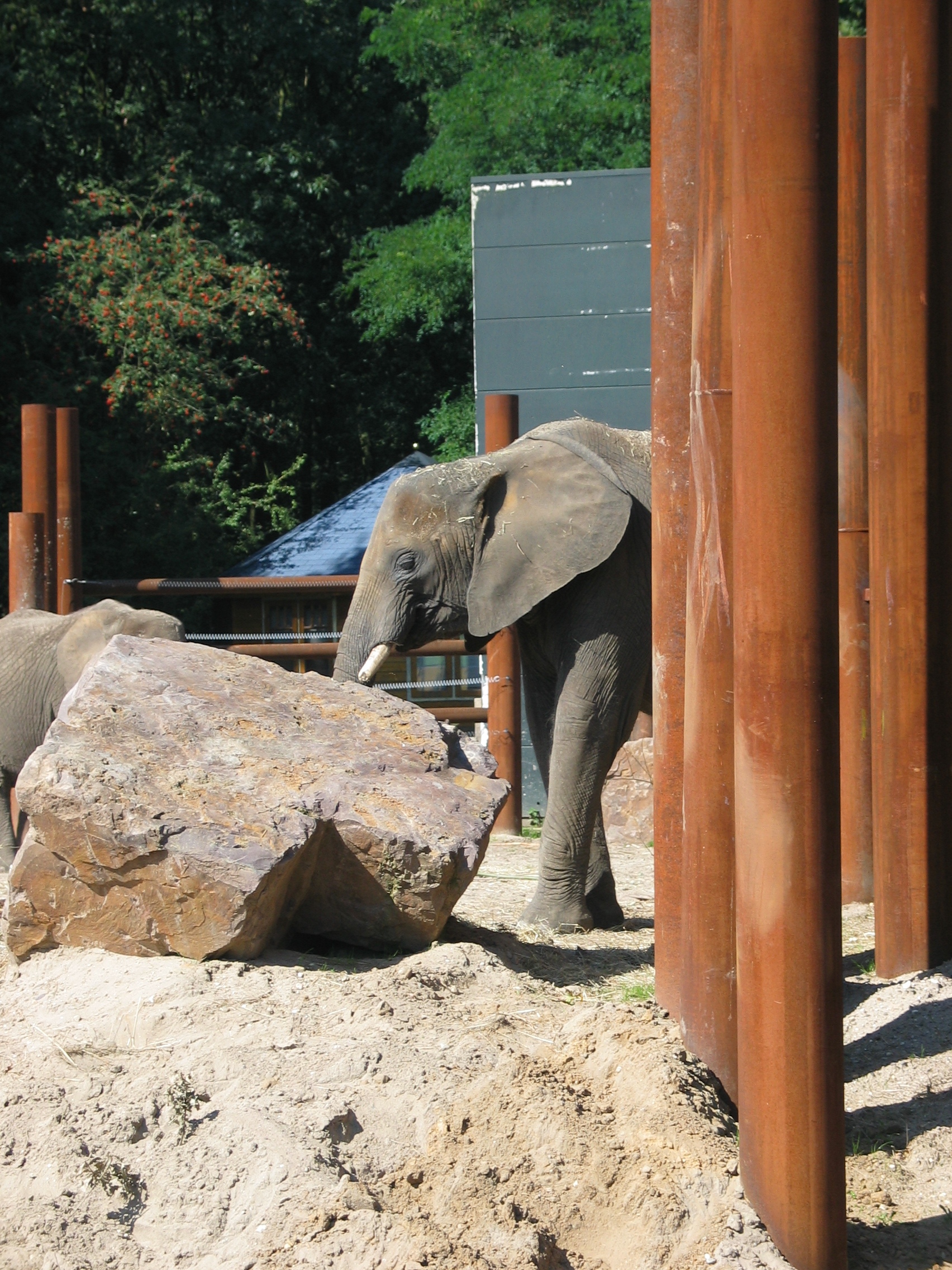
Ouwehands Zoo, known in Dutch as Ouwehands Dierenpark, is a well-known zoological park located in the Netherlands. The zoo is home to a diverse range of animal species, including rare and exotic animals such as giant pandas, orangutans, clouded leopards, bonobos, and polar bears. Visitors can enjoy daily animal talks and interactive programs, providing educational and entertaining experiences for all ages. The zoo is also known for hosting special events like Light Nights, where creative animal-themed art comes to life. Ouwehands Zoo offers a unique opportunity to observe animals up close in thoughtfully designed habitats, making it a popular destination for families and wildlife enthusiasts.
 #9
#9
Rome, Italy
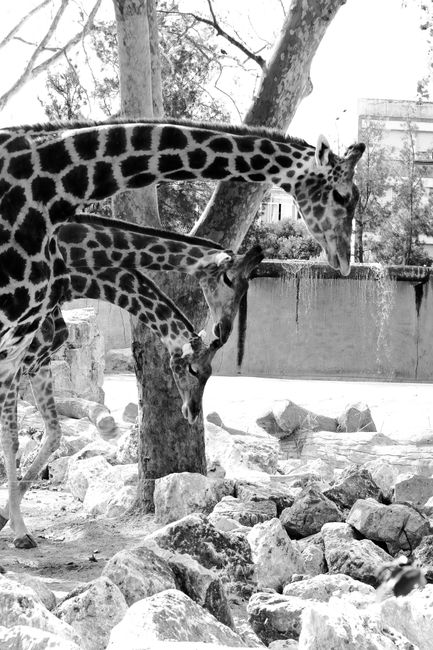
Bioparco di Roma is a 17-hectare zoological garden located within the historic Villa Borghese estate in Rome, Italy. Established in 1911, it is the oldest zoo in Italy and was originally designed to entertain and amuse the public, rather than serve purely scientific purposes. The zoo was conceived by Carl Hagenbeck, who pioneered the use of ditches and pits instead of bars, creating more naturalistic enclosures for the animals. Over the years, Bioparco di Roma has expanded and renovated its facilities, including the addition of a large aviary and a reptile house. Today, visitors can expect to see over 1,100 animals representing more than 220 species, including mammals, birds, and reptiles, in a lush, green setting.
 #10
#10
San Martín de la Vega, Spain
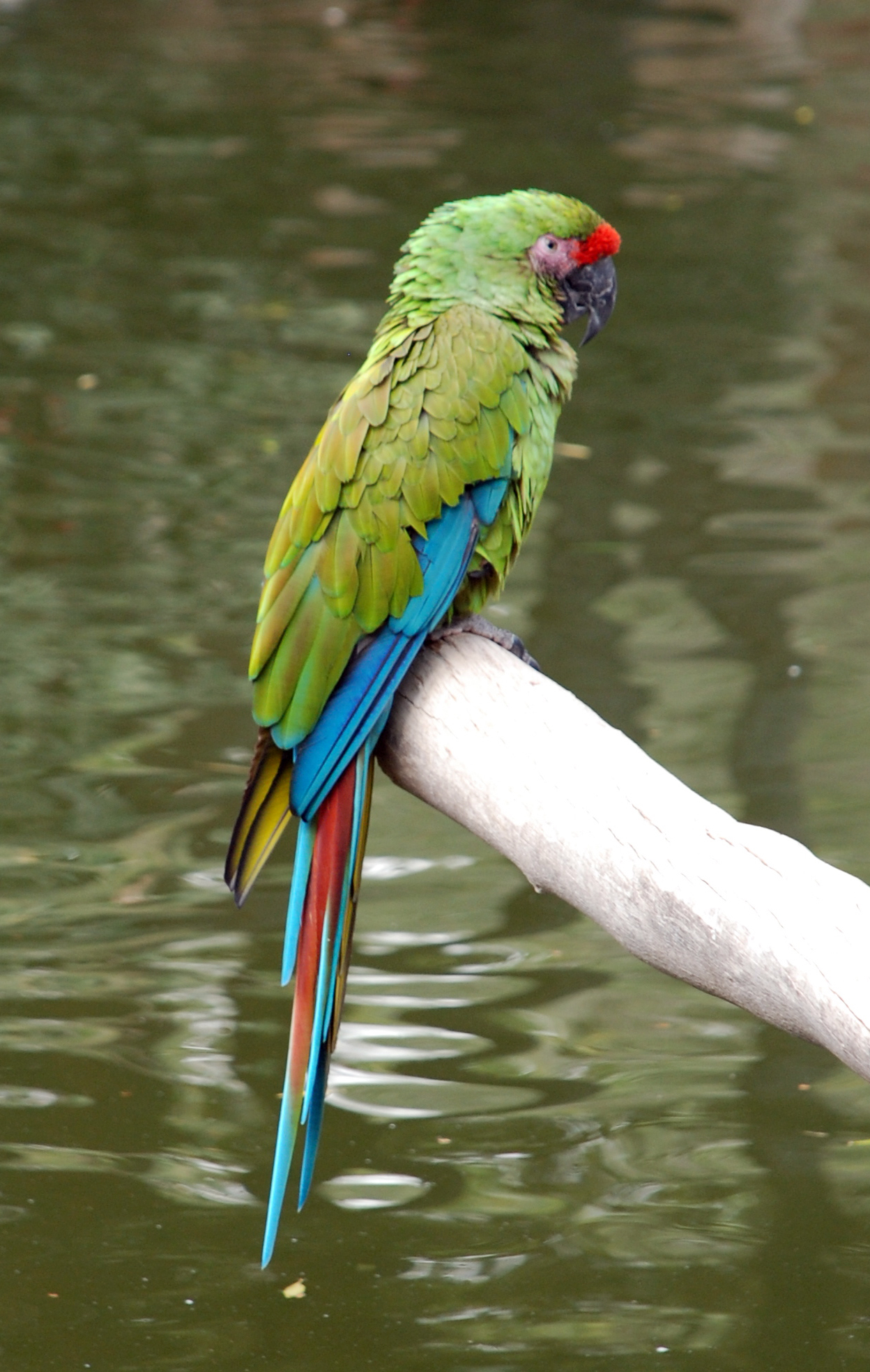
Safari Park Madrid, located in Aldea del Fresno near Madrid, is a unique wildlife park where visitors can observe a wide variety of animals in semi-freedom from the comfort of their own vehicles. Established in 1978, the park was inaugurated by the renowned naturalist Dr. Félix Rodríguez de la Fuente. It is known for being the first place in Spain, and likely in Europe, to offer a free-flight bird of prey exhibition. The park features large mammals such as rhinos, giraffes, elephants, hippos, zebras, bison, black bears, baboons, lions, and tigers, as well as a diverse collection of birds and reptiles. Visitors can also enjoy additional attractions like mega-slides, a bouncy castle, and a swimming pool during the summer months. The park serves as a rescue center for animals confiscated from illegal trafficking or invasive species, providing them with a safe and educational environment.

