All zoos in Italy where you can see Macaques — covering all species.
 #1
#1
Fasano, Italy
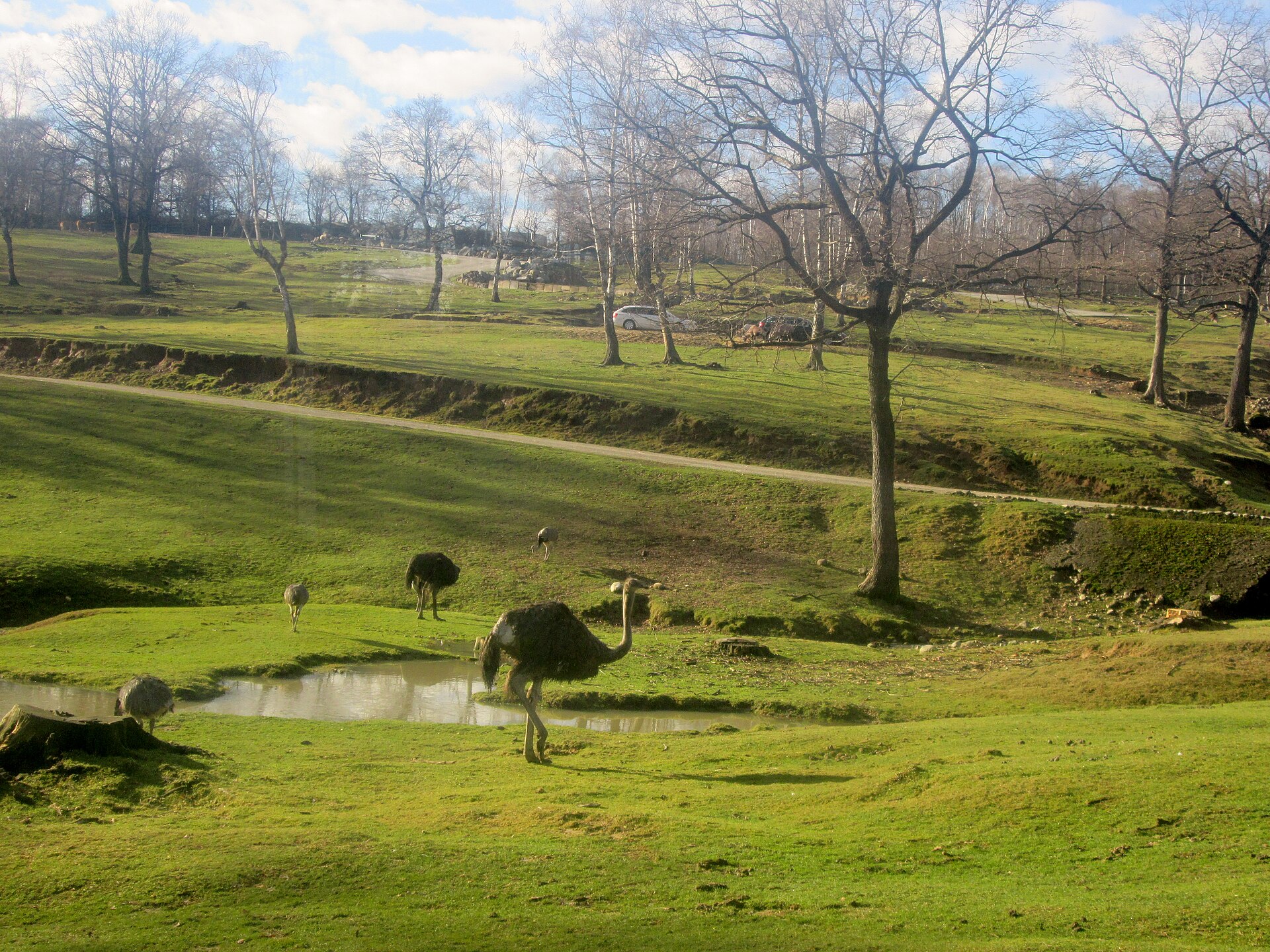
Zoo Safari Fasanolandia, located in Fasano, Puglia, Italy, is recognized as the second largest wildlife park in Europe. Established as a modern zoological garden, it plays a significant role in the conservation of endangered species. The zoo spans an impressive 140 hectares, offering a vast natural oasis where animals from over 200 species live in conditions that closely resemble their natural habitats. Visitors can expect an immersive experience, with opportunities to observe a wide variety of animals up close, including marine mammals like sea lions, seals, and penguins. The park is also family-friendly, providing educational activities and attractions for children, as well as an adjacent amusement park with more than 20 rides.
 #2
#2
Rome, Italy
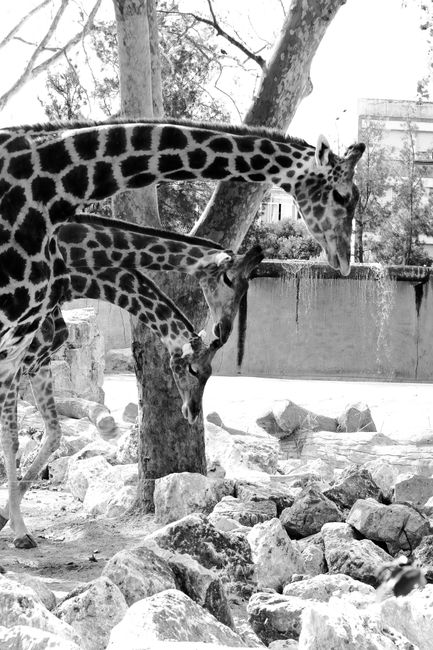
Bioparco di Roma is a 17-hectare zoological garden located within the historic Villa Borghese estate in Rome, Italy. Established in 1911, it is the oldest zoo in Italy and was originally designed to entertain and amuse the public, rather than serve purely scientific purposes. The zoo was conceived by Carl Hagenbeck, who pioneered the use of ditches and pits instead of bars, creating more naturalistic enclosures for the animals. Over the years, Bioparco di Roma has expanded and renovated its facilities, including the addition of a large aviary and a reptile house. Today, visitors can expect to see over 1,100 animals representing more than 220 species, including mammals, birds, and reptiles, in a lush, green setting.
 #3
#3
Naples, Italy
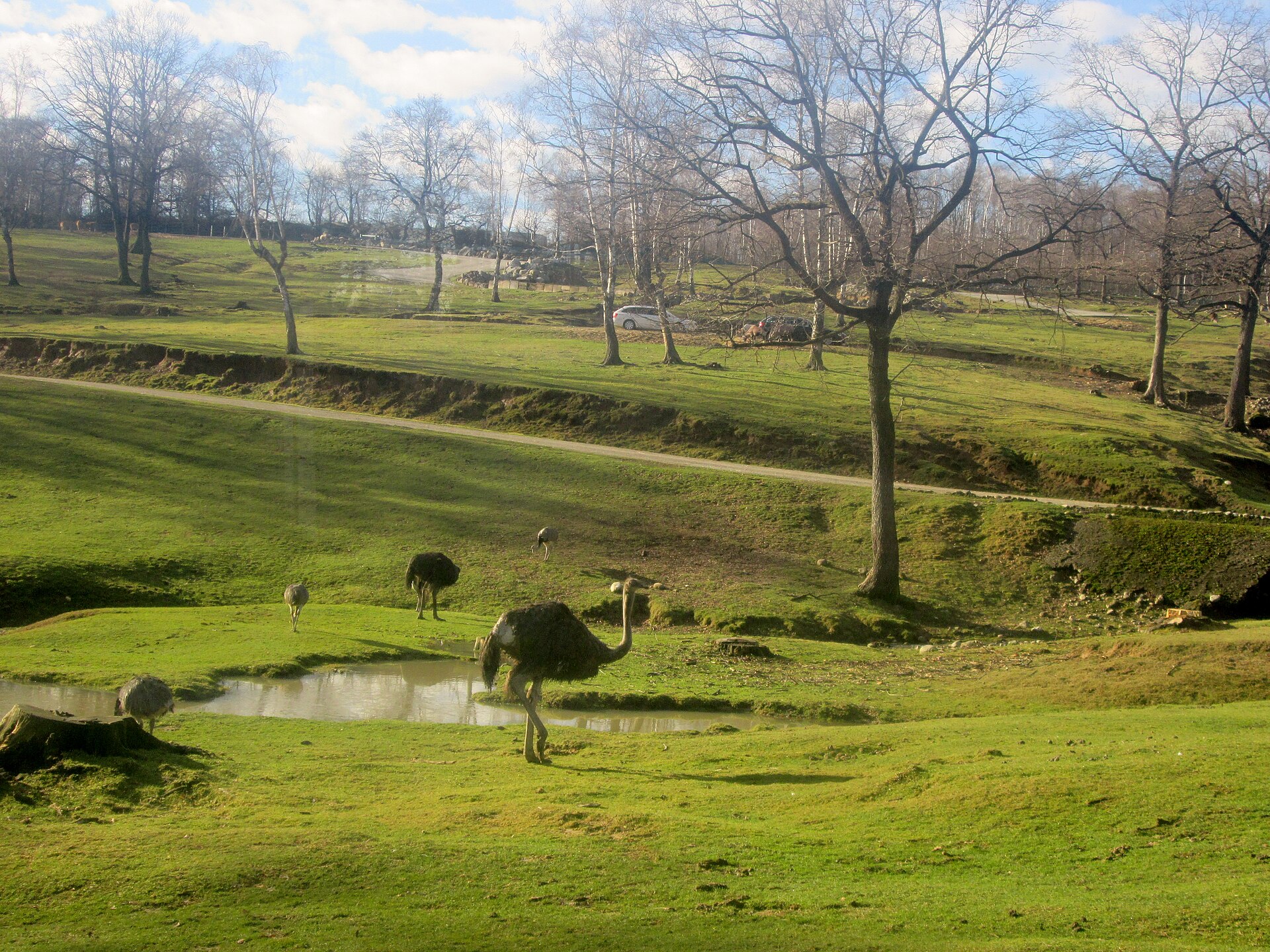
Zoo di Napoli, also known as the Naples Zoo, is a zoological garden and biopark located in Naples, Italy. The zoo is dedicated to bringing visitors closer to nature and plays a significant role in biodiversity conservation. Every day, a team of veterinarians, keepers, biologists, zoologists, and educators work together to care for the animals and promote environmental awareness. The zoo collaborates with local authorities and European wildlife rescue centers to rehabilitate animals rescued from mistreatment and illegal captivity. Visitors can expect to learn about sustainable development, animal welfare, and the importance of protecting ecosystems through educational activities and scientific outreach.

