All zoos in Europe where you can see Indian Rock Python.
 #1
#1
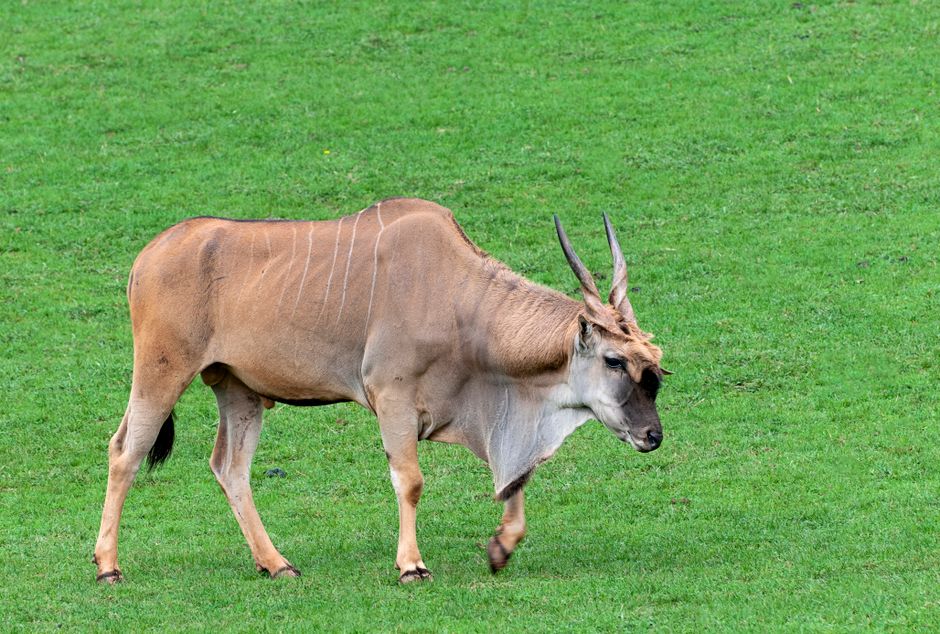
Cabárceno, Spain
Cabárceno Natural Park, located near Santander in Cantabria, Spain, is a unique wildlife park set in a former open-pit mining area. Established on the site of an old iron mine, the park has been transformed into a vast natural reserve where over 120 animal species from five continents live in semi-freedom. Unlike traditional zoos, animals at Cabárceno inhabit large enclosures that closely resemble their natural habitats, allowing for more natural behaviors and interactions. Visitors can explore the park by car or on foot, following a network of roads and paths that wind through dramatic landscapes of rocky outcrops, lakes, and meadows. The park is renowned for its commitment to conservation and breeding programs, and it regularly hosts educational and scientific events. Guests can expect a memorable experience observing animals such as elephants, gorillas, rhinos, and exotic birds in a setting that blends nature, history, and wildlife.
 #2
#2
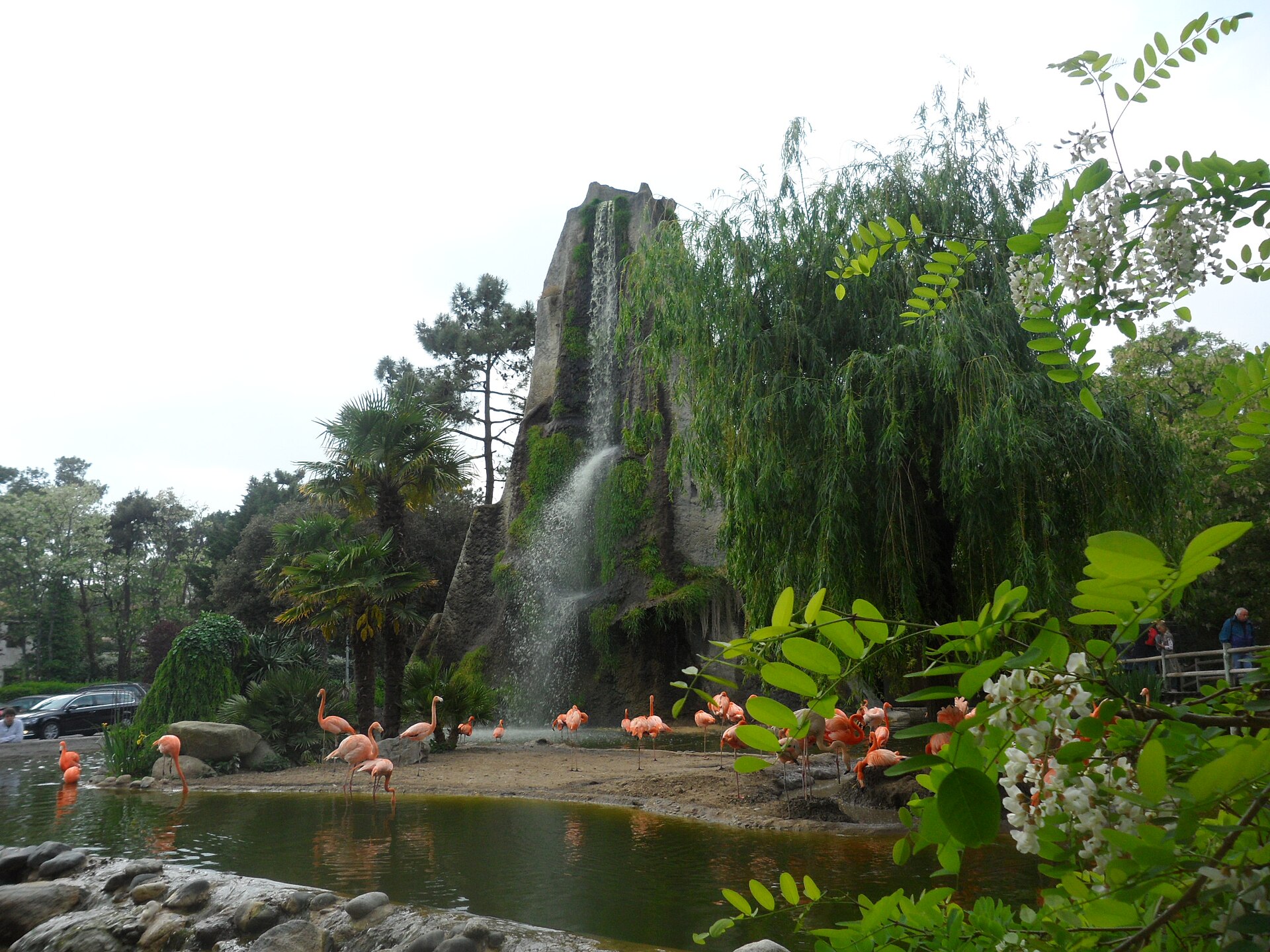
Les Mathes, France
La Palmyre Zoo, located in Les Mathes, Charente-Maritime near Royan in southwestern France, is one of the country's most renowned zoological parks. Founded in 1966 by Claude Caillé, the zoo began with just 60 animals on three hectares and has since expanded to cover 18 hectares, including 14 hectares of landscaped gardens. Visitors can explore over 4 kilometers of pathways and observe more than 1,600 animals representing 145 species from around the world. The zoo is set in the scenic forest of la Coubre, offering a natural and immersive environment for both animals and guests. Over the decades, La Palmyre Zoo has become a major attraction, known for its commitment to animal care, innovative exhibits, and participation in international conservation efforts.
 #3
#3
Madrid, Spain
Faunia is a unique animal park located in Madrid, Spain, offering visitors an immersive experience with a wide variety of animal species. The park is designed to provide educational and interactive exhibits, including opportunities to feed animals such as the Rainbow Lorikeets and to learn about species like lemurs and manatees through special talks. Faunia is known for its themed environments, such as the Polar Expedition and the Jungle, which recreate natural habitats and allow guests to observe animals in settings that mimic their native ecosystems. The park caters to families and visitors of all ages, providing both entertainment and educational value. Faunia also emphasizes conservation and the preservation of animal life, making it a destination for those interested in wildlife and environmental stewardship.

