

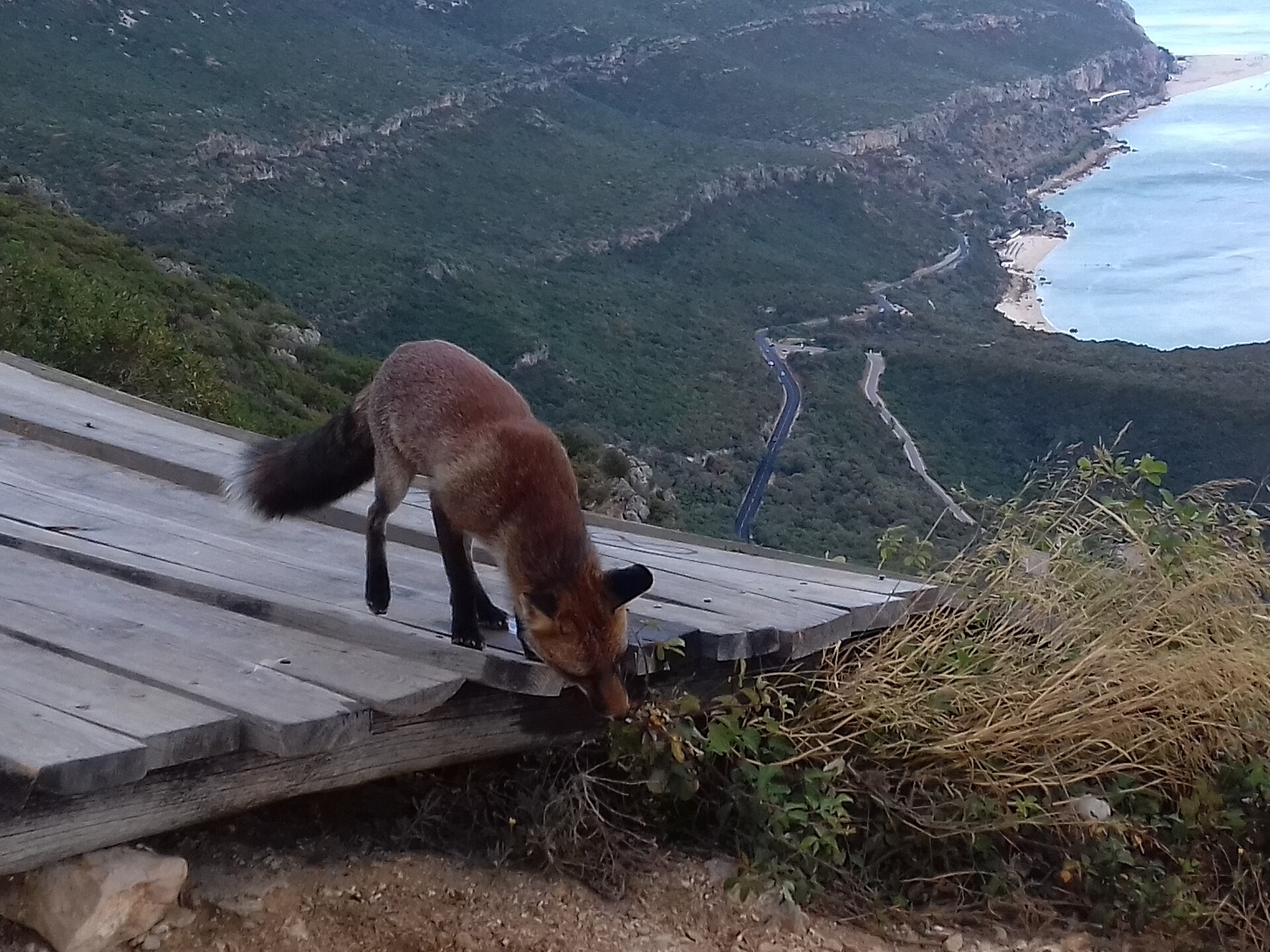
Serra da Arrábida Natural Park
Setúbal, Portugal
About Serra da Arrábida Natural Park
Serra da Arrábida Natural Park, officially known as Arrábida Natural Park, is a protected area located in the Setúbal District of Portugal. Established in 1976, the park covers a total area of 176.41 square kilometers, with both land and marine zones. The park is renowned for its unique carbonate geology, featuring the Serra da Arrábida mountain range, which rises to 501 meters and meets the Atlantic Ocean in a way reminiscent of Mediterranean landscapes. Visitors can explore a diverse array of natural features, including rocky cliffs, endemic flora, and popular beaches such as Galapinhos, Portinho da Arrábida, and Figueirinha. The park also houses historical sites like the Convent of Our Lady of Arrábida, a 16th-century monastery, and has recently been designated as a UNESCO biosphere reserve in 2025. The area is celebrated for its geological history, marine biodiversity, and scenic beauty, making it a popular destination for both nature enthusiasts and tourists.
health and well-being.
It includes giving animals proper food, clean living spaces, medical care, and treating them with respect.
These standards help make sure animals live safe, healthy, and stress-free lives.
Visitors to Serra da Arrábida Natural Park can find parking areas near the main beaches and popular access points. Parking availability may vary depending on the season, and some lots may charge a fee, especially during peak tourist periods. It is advisable to arrive early during summer months to secure a spot, as spaces can fill up quickly. Always check local signage for parking regulations and payment information to avoid fines.
Check the zoo's official website for the latest feeding times schedule.
- The park covers 176.41 square kilometers, with 123.30 km² on land and 53.11 km² at sea.
- Serra da Arrábida reaches a maximum elevation of 501 meters (1,644 feet).
- Three of its beaches—Galapinhos, Portinho da Arrábida, and Figueirinha—are among the most popular in the Lisbon and Setúbal regions.
- The park was designated as a UNESCO biosphere reserve in 2025.
- Arrábida Marble, a sedimentary breccia found in the park, is a valuable ornamental stone.