


Askham Bryan Wildlife and Conservation Park
Askham Bryan, United Kingdom
4,6
(830)
 Reviews aren't verified by Google, but Google checks for and removes fake content when it's identified.
About Askham Bryan Wildlife and Conservation Park
Askham Bryan Wildlife and Conservation Park, opened in 2017, serves as a vital hub for the local community, welcoming around 25,000 visitors annually. The park is home to over 100 species of mammals, birds, reptiles, amphibians, fish, and invertebrates, many of which are threatened. As a member of BIAZA, it participates in essential education, conservation, and research efforts both in the UK and globally.
The park also provides opportunities for students to gain industry-relevant qualifications while engaging with wildlife. Visitors can expect a range of animal experiences and seasonal events focused on conservation and sustainability.
health and well-being.
It includes giving animals proper food, clean living spaces, medical care, and treating them with respect.
These standards help make sure animals live safe, healthy, and stress-free lives.
Visitors can park in the designated parking area near the entrance of the park. Parking is free for all visitors, making it convenient to access the wildlife park without any additional costs. It is advisable to arrive early during peak times to secure a good parking spot.
- Season tickets are available for those planning to visit multiple times, offering unlimited entry during normal operating hours.
- Food and dining options are available on-site, providing a variety of meals and snacks for visitors.
- The park hosts seasonal events, so check the schedule for special activities during your visit.
- Photography is allowed, but be respectful of the animals and their space.
- Lockers are available for storing personal items while you explore the park.
- Home to over 100 species of animals, many of which are threatened.
- Welcomes approximately 25,000 visitors each year.
- Participates in European Ex Situ Programmes for conservation breeding.
- Offers educational programs for students pursuing wildlife and animal management courses.
- Engages in community conservation initiatives, including the Tansy Beetle Action Group.
Paid Experiences
Encounter Reptiles
Description
Drop in behind the scenes with our dedicated reptile keeper team, as you learn about the reptiles they look after.
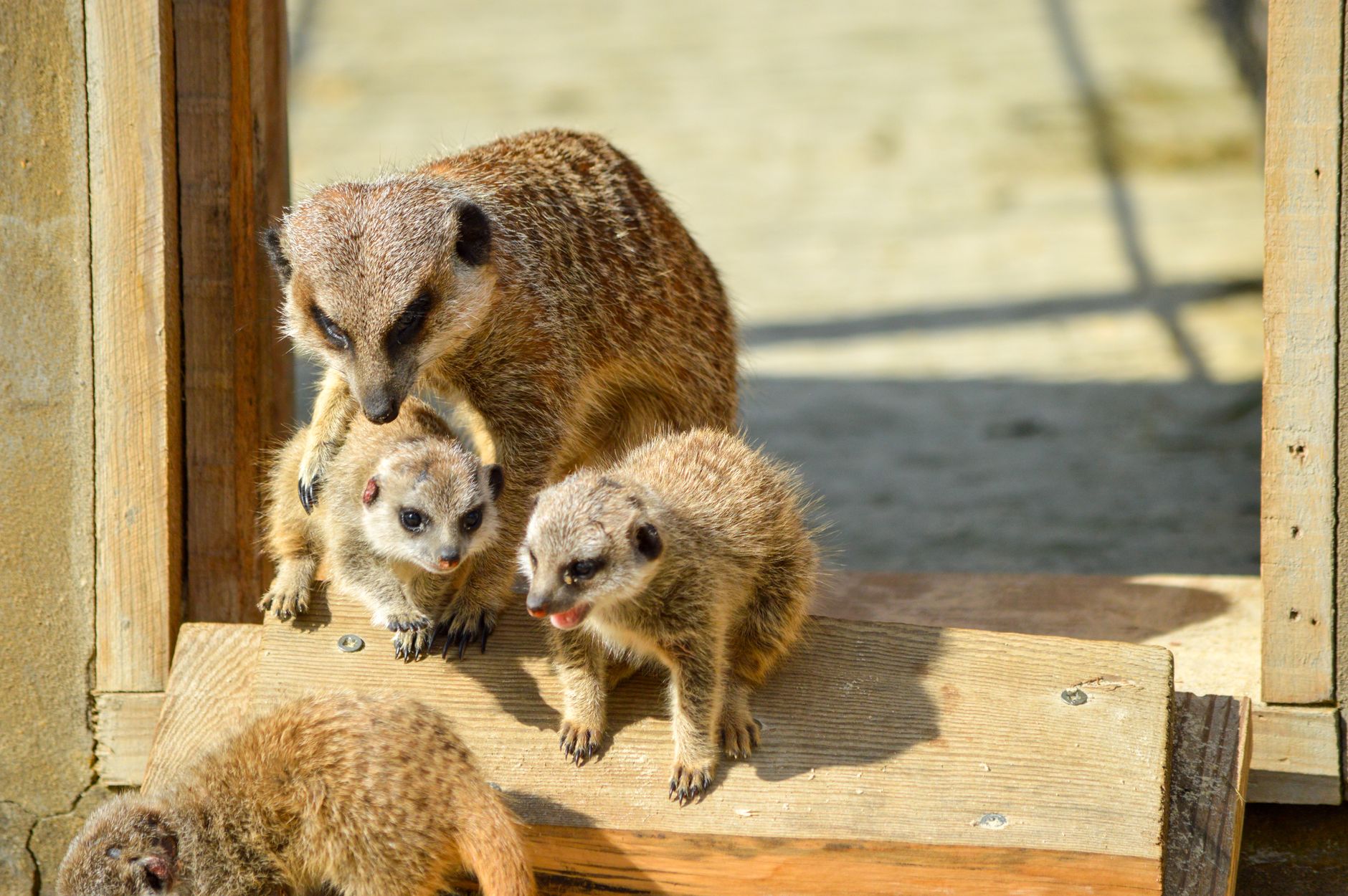
Encounter Meerkats
Description
Immerse yourself with our meerkat mob and go in with them and our keeper team to experience dinner time on the plains of the savannah.

Encounter Lemurs
Description
Get amongst the troop, in their enclosure, with our keepers and offer them some lunch and enrichment.
Encounter Giant Tortoises
Description
Join the team as you go behind the scenes and meet the stunning sulcata tortoises.

Encounter Otters
Description
Meet some of the most vocal animals at the Wildlife Park and help out with some training.
Encounter Armadillos
Description
Delve deep behind the scenes to meet our nocturnal creatures, the large hairy armadillos.

Encounter Alpacas
Description
Frolic at the Heritage Conservation Farm as you encounter alpacas and feed our herd.

Animal Experience
Description
Go behind the scenes with your informative Education Conservation keeper and learn all about your favourite animal!
Photos are illustrative and do not depict the actual experience or animals at this zoo. We do our best to keep experience details accurate, but always check with the zoo directly for the latest information.