


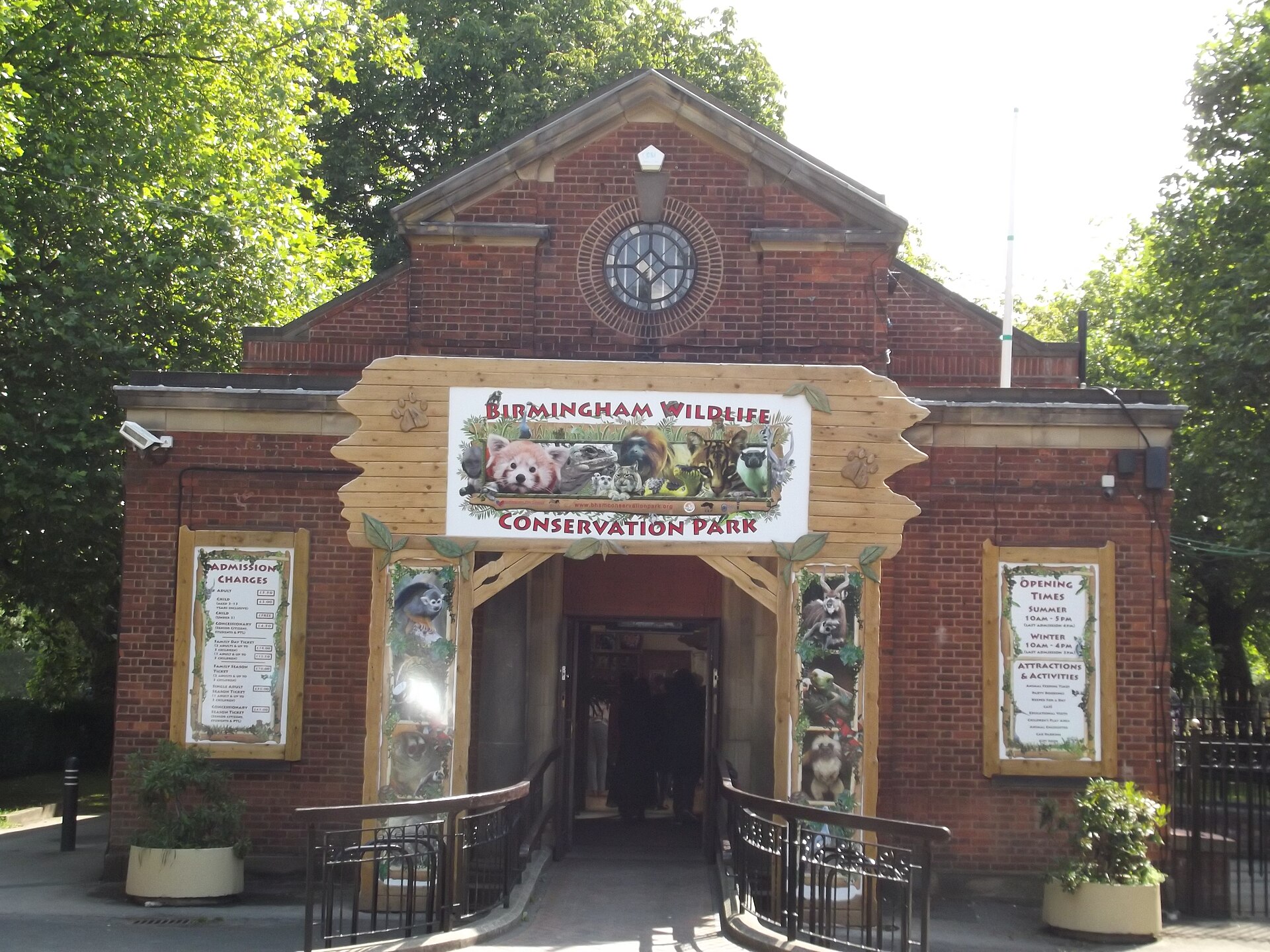
Birmingham Wildlife Conservation Park
Birmingham, United Kingdom
4,4
(4.843)
 Reviews aren't verified by Google, but Google checks for and removes fake content when it's identified.
About Birmingham Wildlife Conservation Park
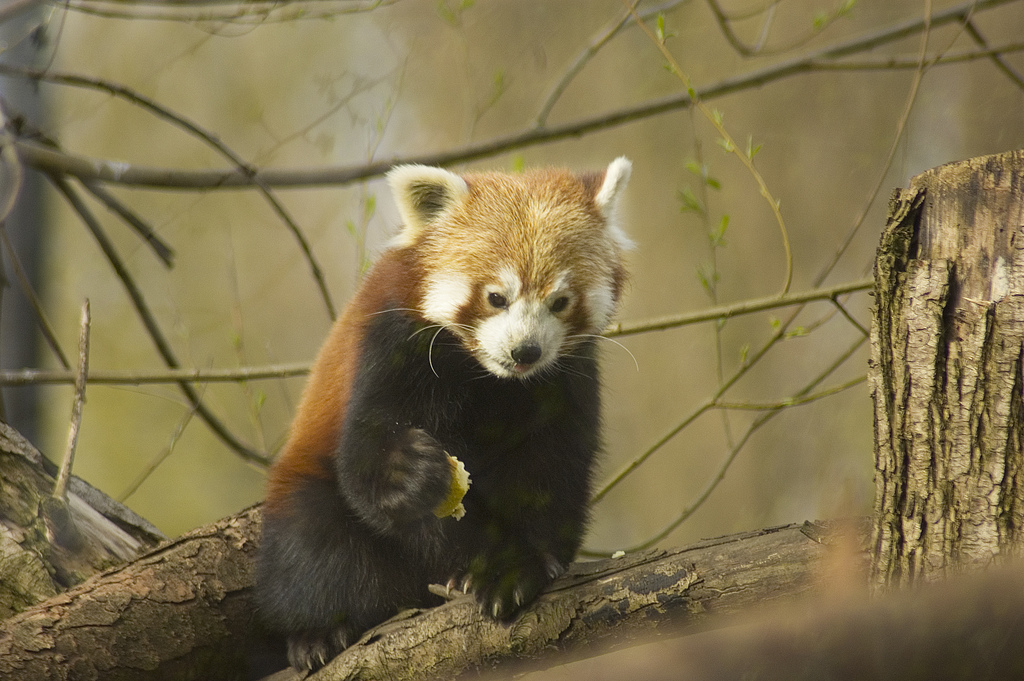
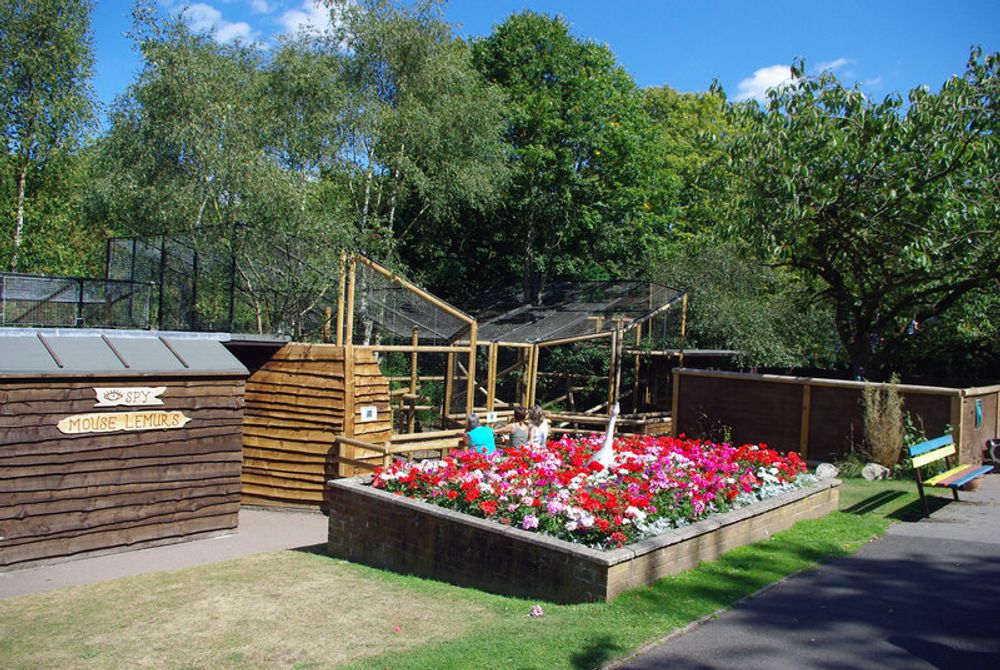
Birmingham Wildlife Conservation Park is run by Birmingham City Council in Cannon Hill Park and holds a collection weighted towards primates and small carnivores: cotton-top, golden-headed and golden lion tamarins, spider monkeys, red ruffed lemurs, bush dogs, meerkats, otters and a Eurasian lynx, alongside red pandas, Patagonian maras, greater rheas, ostriches, wallabies, rabbits and a Komodo dragon.
Several of the species it keeps are endangered in the wild and the park takes part in their conservation breeding. It runs animal sponsorship, volunteering and work placements.
health and well-being.
It includes giving animals proper food, clean living spaces, medical care, and treating them with respect.
These standards help make sure animals live safe, healthy, and stress-free lives.
Visitors can park in designated parking areas near the entrance of the park. Parking is typically paid, so be sure to bring change or a payment method. It's advisable to arrive early during peak times to secure a spot.
- Check the park's website for current ticket prices and booking options.
- Food and dining options are available on-site, offering a variety of choices for visitors.
- Stroller and wheelchair rentals may be available for convenience.
- Photography is generally allowed, but be mindful of the animals' comfort.
- On-site shops offer souvenirs and educational materials about the animals.
- Home to Red Pandas, a species that is endangered in the wild.
- Features a large collection of monkeys, showcasing various species.
- Offers opportunities for visitors to sponsor animals, directly supporting conservation efforts.
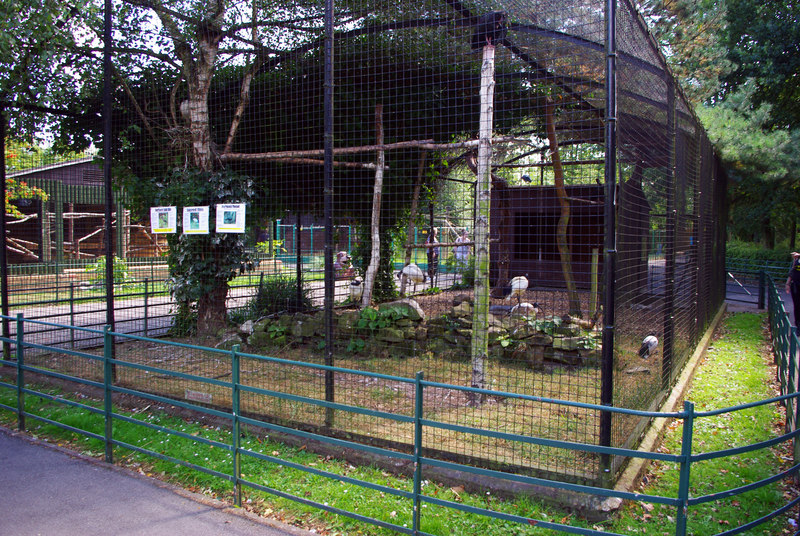
- Includes a variety of reptiles and birds, enhancing biodiversity in the park.
- Engages in important conservation work for endangered species.