


Centre reproductor de cranc de riu
Olot, Spain
4,2
(10.005)
 Reviews aren't verified by Google, but Google checks for and removes fake content when it's identified.
About Centre reproductor de cranc de riu
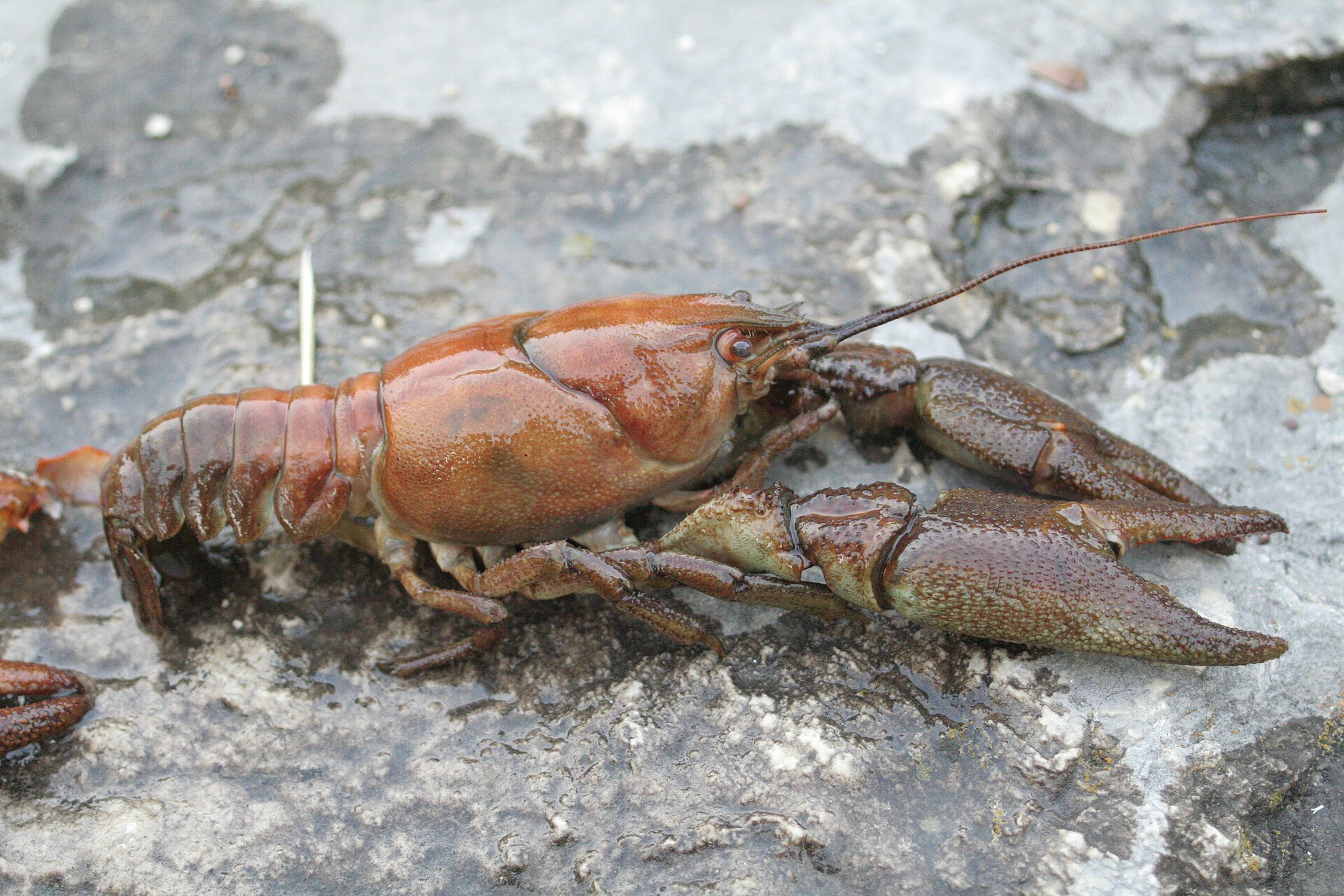
The Centre de reproduccio del cranc de riu de potes blanques stands at Moli de les Fonts inside the Garrotxa Volcanic Zone Natural Park at Olot, Girona. Run by the Catalan government as part of its wildlife recovery network, it was set up in 2004 to keep the native white-clawed crayfish from disappearing from Catalonia, breeding the species for release and studying growth, sex ratios and behaviour in captivity.
Guided visits are possible by prior arrangement on weekday mornings and follow three spaces: a covered porch for the introduction, the outdoor crayfish pools, and the indoor reproduction channels where breeding is managed intensively. The centre also takes students on placement and runs an education programme on invasive species, disease, water shortage, pollution and poaching - the pressures behind the crayfish's decline.
Visitors can park in designated areas near the center, which are clearly marked. Parking is free, but it is advisable to arrive early during peak visiting times to secure a spot.
- Advance booking is required for visits, which can be scheduled from 8 AM to 3 PM, Monday to Friday.
- Educational sessions are held in three different areas, including an open space and pools for the crayfish.
- Bring your own refreshments, as food options may be limited on-site.
- Photography is allowed, but be respectful of the animals and their habitats.
- Check for any specific visitor guidelines or restrictions before your visit.
- The center was established to combat the extinction of the white-clawed crayfish in local rivers.
- It serves as a genetic reservoir for the species across different river basins in Catalonia.
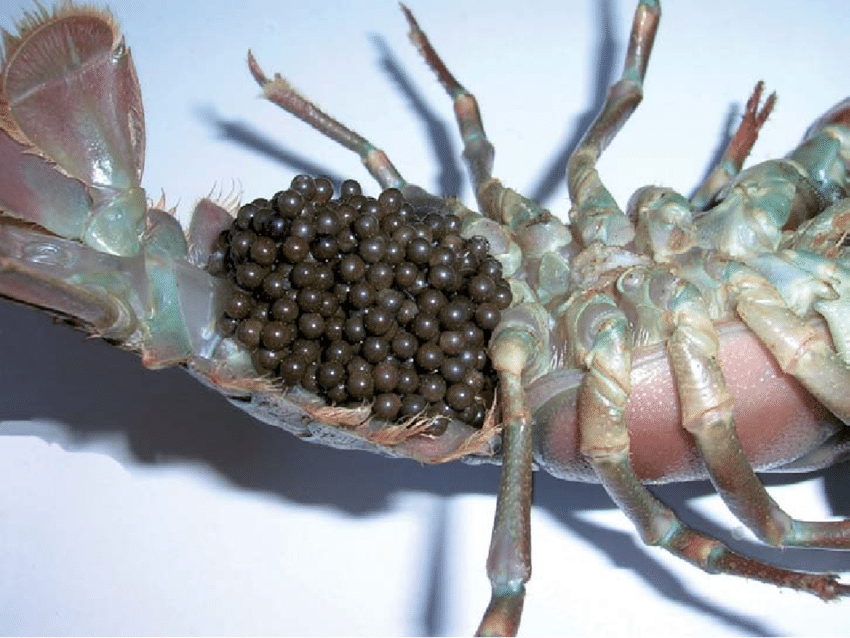
- The center conducts studies on the biological cycles of the crayfish, including mating and growth patterns.
- Environmental education programs target both the general public and youth to promote awareness of conservation issues.
- The center operates under a recovery plan initiated in 1994, highlighting its long-term commitment to the species.
Paid Experiences

Keeper Experience
Description
Get up close with the river crab and learn from the experts about their care and habitat.
Feeding Session
Description
Participate in a feeding session where you can help feed the river crabs and learn about their diet.

Behind-the-Scenes Tour
Description
Take a guided tour behind the scenes to see how the river crab exhibits are maintained.
Photos are illustrative and do not depict the actual experience or animals at this zoo. We do our best to keep experience details accurate, but always check with the zoo directly for the latest information.