

Zoo de la Ciudad de Córdoba
Córdoba, Spain
About Zoo de la Ciudad de Córdoba
Zoo de la Ciudad de Córdoba, officially known as Centro de Conservación Zoo Córdoba, is one of the earliest zoos established in Spain. It began as a small zoo of 8,000 square meters in June 1967 and was officially inaugurated on May 15, 1968, coinciding with the first Congress of the Iberian Union of Zoos. Over the years, it has evolved into a conservation center spanning just over 4.5 hectares. The zoo is home to more than 500 animals representing over 100 different species, including mammals, birds, and reptiles. Visitors can expect to see a diverse collection of fauna from Africa, America, Asia, Australia, and Europe, as well as native Iberian species. The zoo is dedicated to scientific research, species conservation, and environmental education, making it a significant institution for wildlife preservation in the region.
health and well-being.
It includes giving animals proper food, clean living spaces, medical care, and treating them with respect.
These standards help make sure animals live safe, healthy, and stress-free lives.
Visitors to Zoo de la Ciudad de Córdoba can park near the entrance on Avenida Linneo, which is the main access road to the zoo. While the website does not specify whether parking is free or paid, it is advisable to arrive early, especially during weekends or holidays, to secure a convenient parking spot. There are public parking areas in the vicinity, and visitors should check local signage for any parking fees or restrictions.
Check the zoo's official website for the latest feeding times schedule.
- The zoo was officially inaugurated during the first Congress of the Iberian Union of Zoos in 1968.
- It houses more than 500 individual animals from over 100 species, including mammals, birds, and reptiles.
- A new reptile house (reptilario) was recently inaugurated, expanding the zoo's facilities for reptiles.
- The zoo participates in the recovery plan for the Iberian imperial eagle, having recently welcomed a new chick of this endangered species.
Paid Experiences

Visit to the Technical Area of the Conservation Center
More InfoDescription
A guided visit where participants learn about the daily operations of the Conservation Center through a tour of technical facilities not accessible to the general public.

Fun with Animals
More InfoDescription
An activity aimed at stimulating animal behavior through the creation of toys and food materials that make feeding more enjoyable and mimic natural behaviors.

Zoo Trackers
More InfoDescription
An educational workshop involving interactive manipulation and display of animal-origin materials to provide a different perspective on species and their environment.

Young Zoologists
More InfoDescription
An interactive workshop focusing on various aspects of zoo animals, including behavior and ecosystem influence, promoting conservation and sustainability concepts.
A Day on the Farm
More InfoDescription
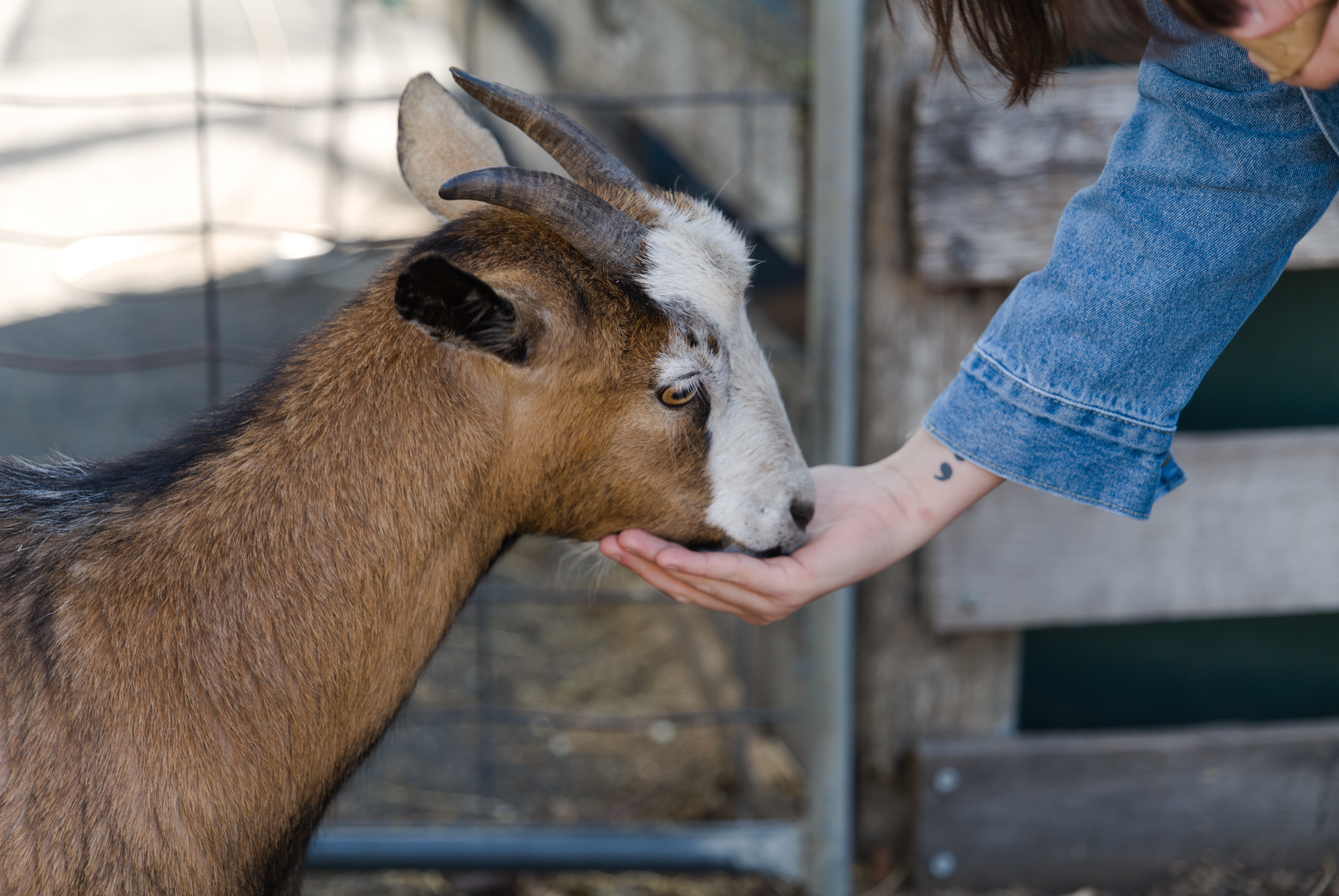
Hands-on activities involving the care and feeding of domestic animals, along with ecological gardening tasks, promoting responsible pet ownership and environmental respect.

The Zoo at School
More InfoDescription
Visits to schools to introduce the Conservation Center and its educational, conservation, and research roles, tailored for educational integration.

Program for Specific Classrooms
More InfoDescription
An inclusive educational program designed for students with specific educational support needs, allowing access to educational activities and resources.

Camping in the Zoo
More InfoDescription
An overnight camping experience in the zoo, allowing participants to sleep among wild animals and engage in environmental activities and workshops.

Club of Young Zoologists
More InfoDescription
A club for children that includes free entry to the zoo and a monthly educational activity focused on biodiversity and conservation.
Photos are illustrative and do not depict the actual experience or animals at this zoo. We do our best to keep experience details accurate, but always check with the zoo directly for the latest information.