


Port Lympne Reserve
Hythe, United Kingdom
4,5
(6.579)
 Reviews aren't verified by Google, but Google checks for and removes fake content when it's identified.
About Port Lympne Reserve
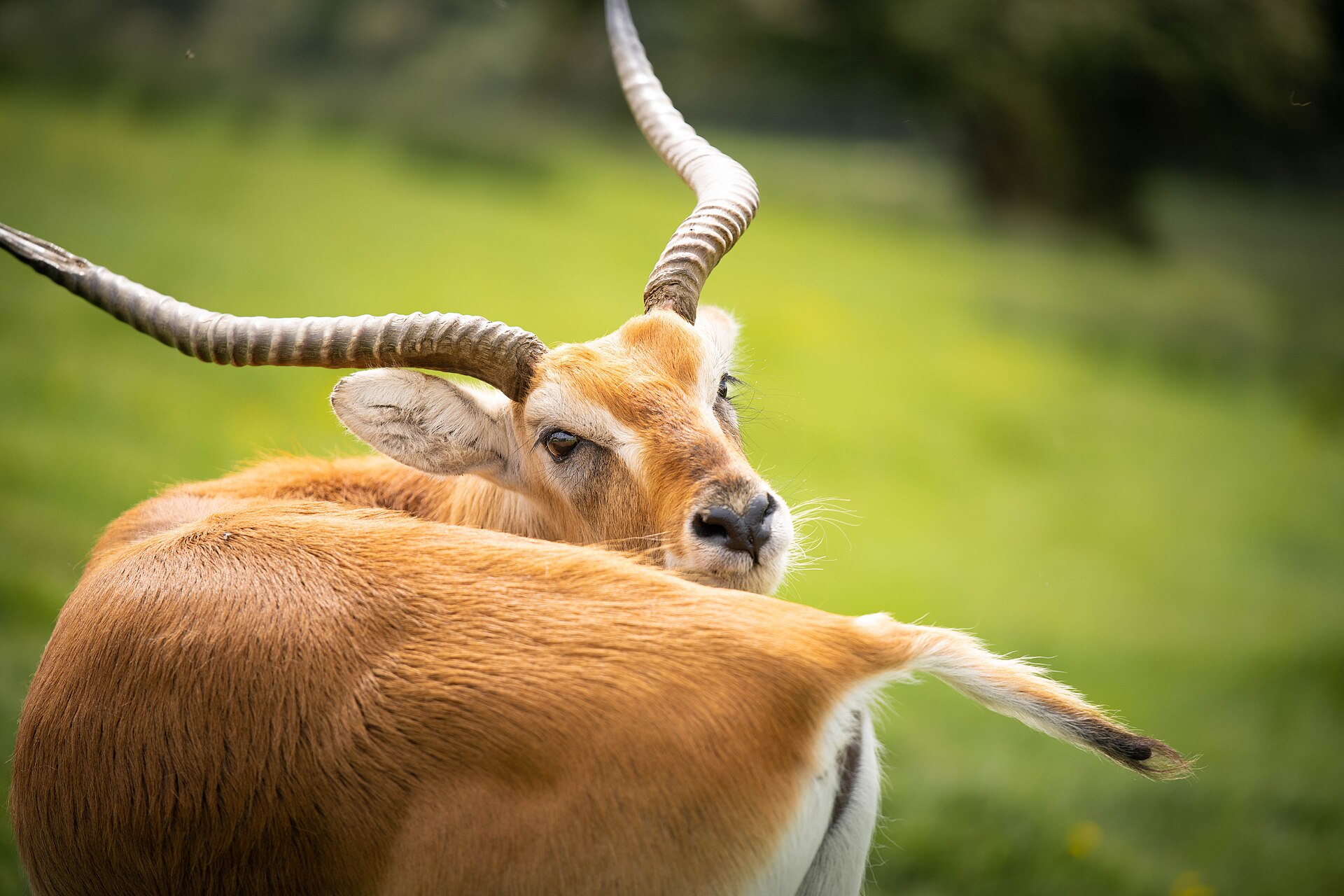
Port Lympne Reserve is an award-winning wild animal park located near Ashford, Kent, and is part of The Aspinall Foundation, an internationally renowned animal conservation charity. The park is designed to be a breeding sanctuary for some of the world's most rare and endangered animals, focusing on animal care, enclosure design, and enrichment. Visitors can experience an authentic African safari experience while learning about the conservation efforts for endangered species.
The park also offers short breaks, allowing guests to immerse themselves in nature and enjoy various adventures. With a commitment to returning captive bred animals to their natural habitats, Port Lympne plays a crucial role in global conservation efforts.
health and well-being.
It includes giving animals proper food, clean living spaces, medical care, and treating them with respect.
These standards help make sure animals live safe, healthy, and stress-free lives.
Visitors can park in the designated parking area near the entrance of Port Lympne Reserve. Parking is free for all guests, making it convenient for families and groups. It is advisable to arrive early during peak times to secure a good parking spot, especially on weekends and holidays.
- Food and dining options are available on-site, offering a variety of meals and snacks.
- Free animal talks by the expert Education team are available to all visitors, subject to availability.
- Stroller and wheelchair rentals are available for those who need assistance navigating the park.
- Photography is encouraged, but visitors should be respectful of the animals and their space.
- Accepted payment methods include cash and major credit cards at the park's facilities.
- Home to over 400 of the world’s most rare and endangered animals.
- Most successful breeders of African elephants, clouded leopards, and de brazza monkeys in the UK.
- The park manages studbooks for Javan gibbons, clouded leopards, bush dogs, and painted dogs.
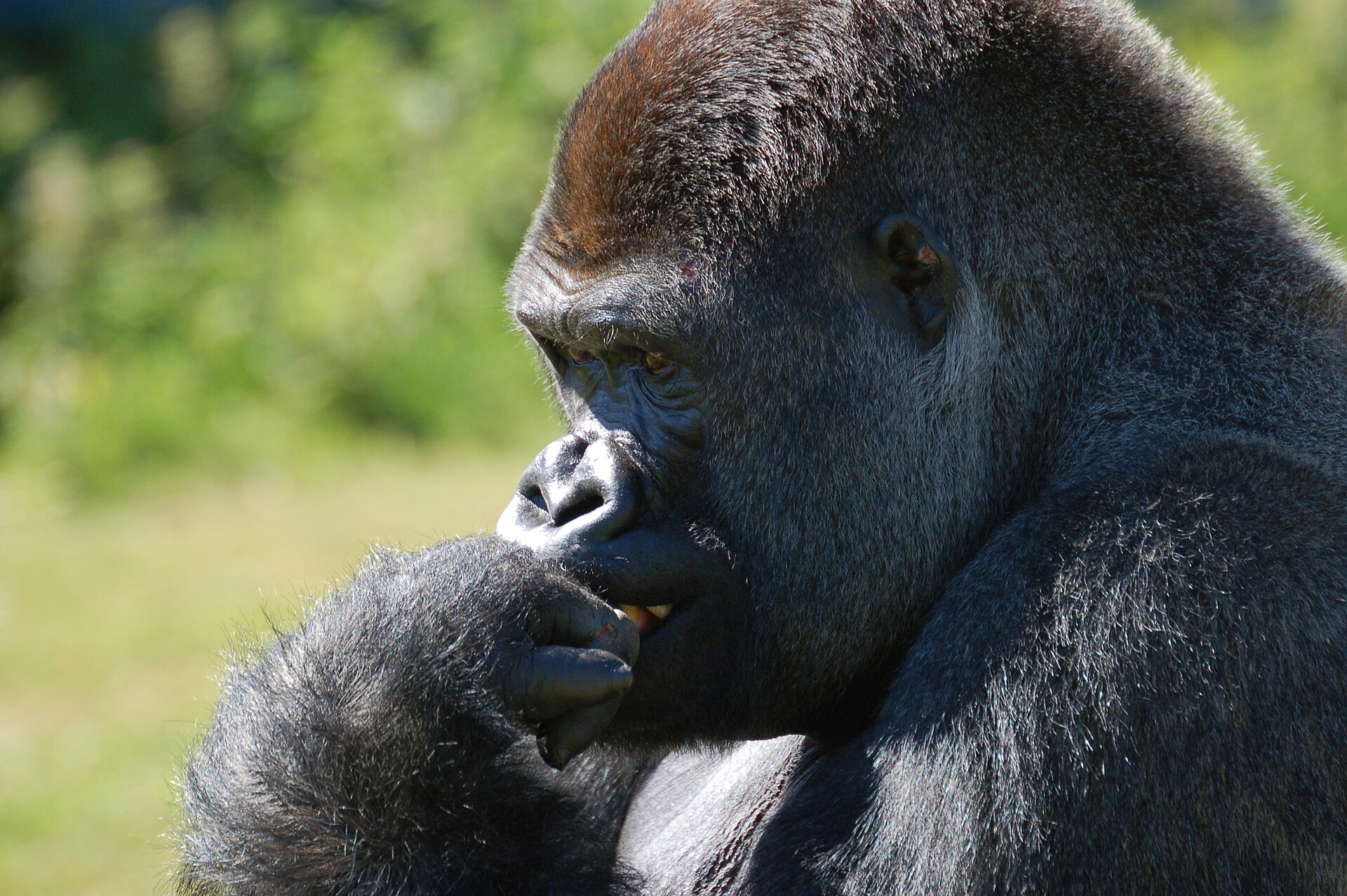
- The Back to the Wild initiative has successfully returned several species to their natural habitats, including western lowland gorillas and black rhinos.
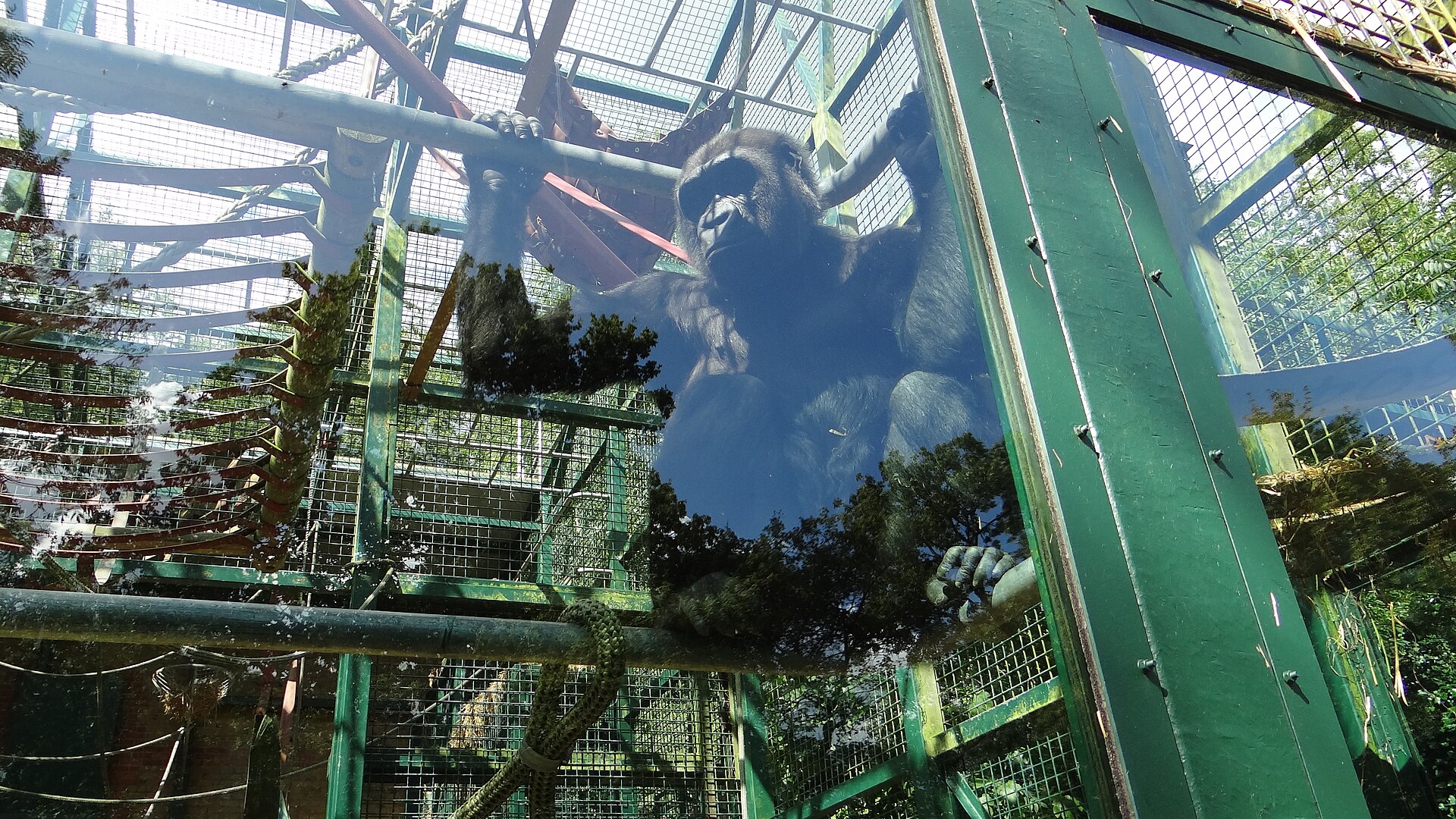
- Enclosures are designed with natural foliage to provide shelter and camouflage, enhancing animal welfare.
Paid Experiences

The Lookout Bubble
Description
Immerse yourself in nature with transparent domes offering spectacular star displays from your king-sized bed.
Leopard Creek
Description
Luxury accommodation with stunning views of the Amur leopard enclosure, providing a unique wildlife experience.

Lion Lodge
Description
Experience a luxurious stay while immersing yourself in the lives of a lion pride.

Tiger Lodge
Description
Wake up with a tiger at your window in the UK's original Tiger Lodge, surrounded by nature's sounds.

Rhino Lodge
Description
Make friends with wild neighbors and explore the reserve in your own personal golf buggy.

The Treetop Bubble
Description
Enjoy a romantic retreat among the treetops with panoramic views and your own personal golf buggy.

Treehouses
Description
Stay in award-winning self-catering treehouse suites with stunning views and explore the reserve on a golf buggy.

Mansion Hotel
Description
A luxurious 4* boutique hotel offering a relaxing getaway amidst beautiful surroundings.

Wolf Lodge
Description
Be part of the pack and watch wolves from your private viewing window while exploring the reserve.

Hog Deer Creek
Description
Stay in a cozy shepherd’s hut and explore the 600-acre reserve in your own private golf buggy.

Bear Lodge
Description
An unforgettable glamping getaway overlooking the spectacled bear habitat, perfect for an exciting safari experience.

Giraffe Lodge
Description
Camp out under the stars and immerse yourself in an exciting safari experience right here in Kent.
Photos are illustrative and do not depict the actual experience or animals at this zoo. We do our best to keep experience details accurate, but always check with the zoo directly for the latest information.