




Munich Zoological Garden
Germany, Munich
About Munich Zoological Garden
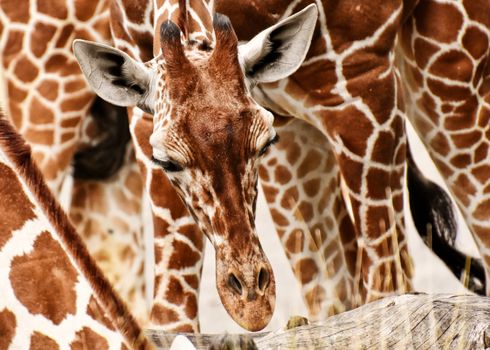
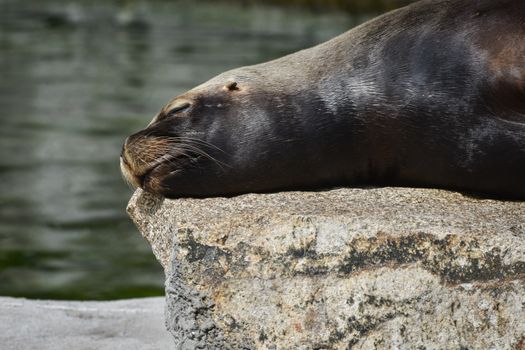
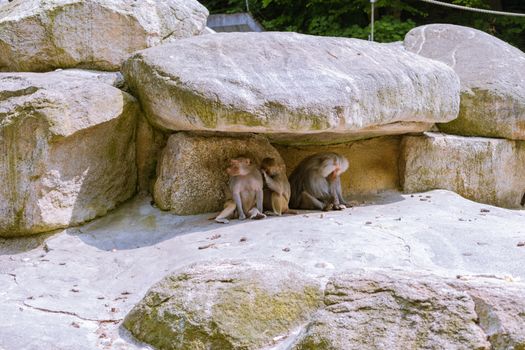
Munich Zoological Garden, known as Hellabrunn Zoo, is a renowned 40-hectare zoological park located on the right bank of the river Isar in Munich, Germany. Established in 1911, it was the first zoo in the world to organize animals by geographic region rather than by species, pioneering the concept of the 'Geo-Zoo.' The zoo features a high proportion of cageless enclosures, using moats to separate animals from visitors, which creates a more naturalistic environment. Visitors can expect to see a diverse collection of animals, with nearly 500 species represented and several thousand individual animals. Notable attractions include the historic Elephant House, the immersive Jungle House, and unique experiences such as walking among bats in 'Dracula's Villa.' The zoo is also recognized for its successful breeding programs for rare species and its commitment to conservation.
health and well-being.
It includes giving animals proper food, clean living spaces, medical care, and treating them with respect.
These standards help make sure animals live safe, healthy, and stress-free lives.
Visitors to Hellabrunn Zoo can park in designated parking areas located near the main entrance. Parking is paid, so be prepared to purchase a ticket at the machines or use available payment options. It is advisable to arrive early, especially on weekends or holidays, as parking spaces can fill up quickly. There are also accessible parking spots for visitors with disabilities close to the entrance.
Check the zoo's official website for the latest feeding times schedule.
- Hellabrunn Zoo was the first zoo in the world to organize animals by their geographic origin, rather than by species.
- In 2013, the zoo was ranked the fourth best zoo in Europe, up from twelfth place previously.
- The zoo houses nearly 19,000 animals across 499 species as of 2024.
- It is one of the very few zoos in Europe that allows visitors to bring their dogs.
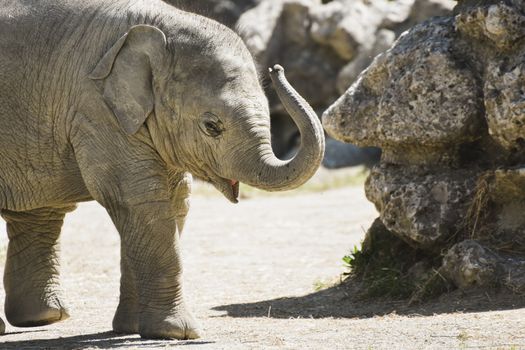
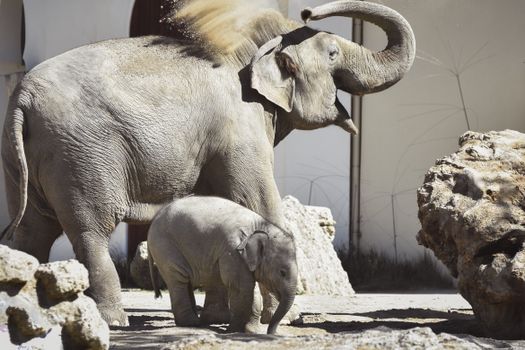
- The Elephant House, originally built in 1914, underwent a major renovation from 2011 to 2016.
- The zoo uses its own wells to supply all its freshwater needs due to the high groundwater level and excellent water quality on site.
Paid Experiences

Animal Keeper Experience
More InfoDescription
Get a unique insight into the daily life of zookeepers and interact with various animals.
Program
Spend time with a zookeeper, learn about animal care, and assist in feeding and enrichment activities.

Behind-the-Scenes Tour
More InfoDescription
Explore areas of the zoo not accessible to the public and learn about animal conservation efforts.
Program
Join a guided tour through restricted areas, meet staff, and discover how the zoo cares for its animals.

Feeding Session
More InfoDescription
Participate in a special feeding session with selected animals and learn about their diets.
Program
Join a zookeeper during feeding time, observe animal behavior, and ask questions about their care.
Photos are illustrative and do not depict the actual experience or animals at this zoo. We do our best to keep experience details accurate, but always check with the zoo directly for the latest information.


