


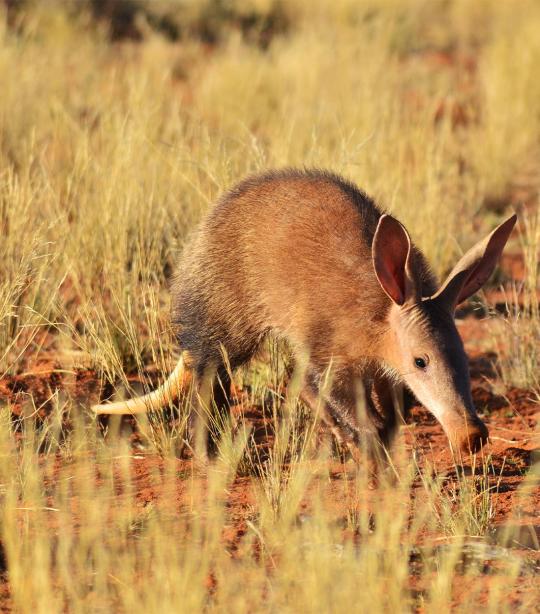
AARDVARK
DESCRIPTION
The aardvark is a nocturnal mammal native to Africa, known for its long ears, pig-like snout, and powerful digging claws. It is the only extant species in the order Tubulidentata and is often referred to as the 'earth pig'.
FUN FACTS
- Aardvarks can dig a burrow up to 3 meters deep in just a few minutes | They have a long, sticky tongue that can be up to 30 cm long | Aardvarks are the only living representatives of their order, Tubulidentata
QUICK INFO
Lifespan10-15 years in the wild, up to 20 in captivity
Average Weight60-80 kg
Average Length1.0-1.3 m
Diet TypeInsectivore
Social Structuresolitary, typically found alone except during mating
Activity PatternNocturnal
Breeding SeasonYear-round
- Habitat
- Aardvarks inhabit a variety of environments, including savannas, grasslands, and woodlands. They prefer areas with loose soil for digging their burrows.
- Biomes
- Savanna, Grassland, Woodland
- Native Range
- Sub-Saharan Africa
- Continent
- Africa
- Countries
- South Africa, Namibia, Botswana, Tanzania, Kenya, Uganda
- Diet
- Aardvarks primarily feed on ants and termites, using their long tongues to extract them from their nests. They may also consume some fruit and other plant materials.
- Diet Type
- Insectivore
- Favorite Food
- ants and termites
- Social Structure
- solitary, typically found alone except during mating
- Activity Pattern
- Nocturnal
- Group Size
- 1
- Territorial
- 0
 LC
LC
 LC
LC
 LC
LC
60-80 kg
Weight
1.0-1.3 m
Length
- Coloration
- light brown to grayish with a sparse coat of coarse hair
- Lifespan
- 10-15 years in the wild, up to 20 in captivity
- Gestation Period
- 7 months
- Offspring per Birth
- 1
- Sexual Maturity
- 2-3 years
- Breeding Season
- Year-round
LC
Least Concern
IUCN Red List Status
- Population Status
- The aardvark population is currently stable, though local declines may occur due to habitat loss.
- Wild Population Estimate
- Unknown
- Population Trend
- Stable
- Endangered
- 0
- Threats
- Main threats include habitat destruction and hunting in some areas. They are also affected by climate change, which can impact their food sources.
- Predators
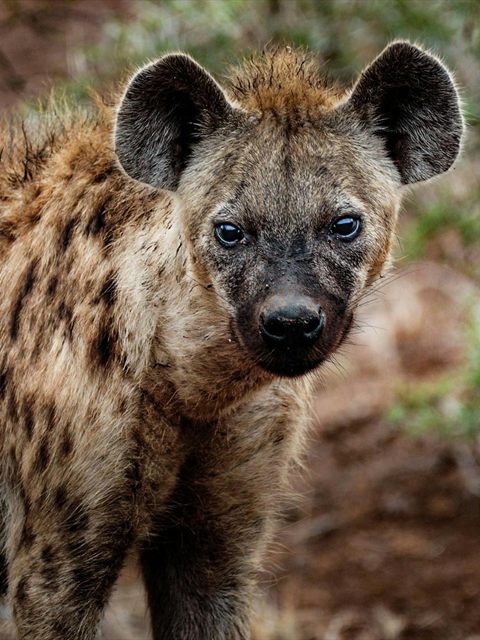
- Lions, hyenas, and large snakes
- Defense Mechanisms
- Aardvarks can dig quickly to escape predators and have strong claws for defense.
- Found in Zoos
- Uncommon