


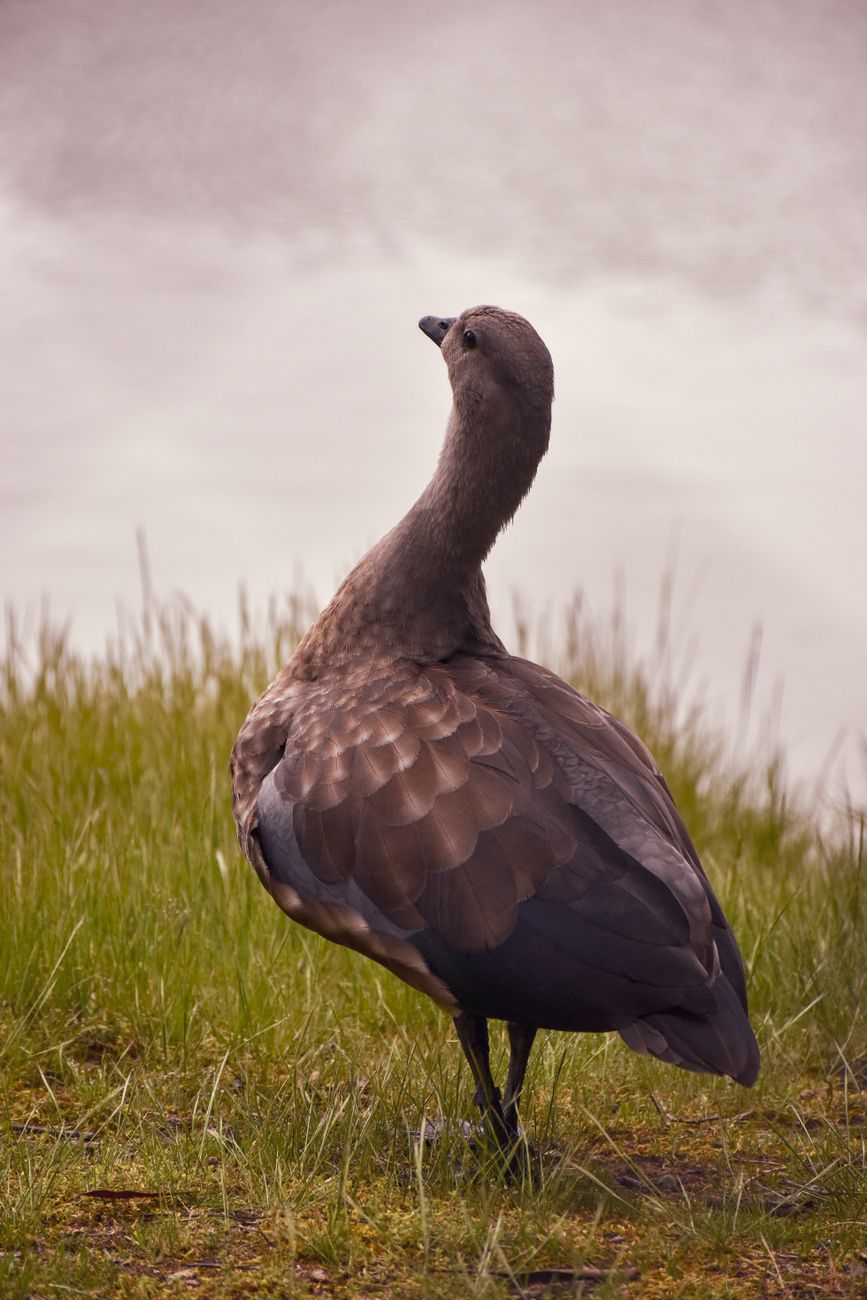
ABYSSINIAN BLUE-WINGED GOOSE
Cairina m. abyssinica
DESCRIPTION
Abyssinian Blue-winged Goose (Cairina m. abyssinica) is also known as the Abyssinian Goose and Blue-winged Goose. This species is characterized by its striking plumage, featuring a combination of dark brown and gray feathers with distinctive blue wing patches. They are social birds often found in pairs or small groups, inhabiting wetlands and grasslands in their native range.
FUN FACTS
- Abyssinian Blue-winged Geese are known for their unique vocalizations, which include a variety of honks and whistles that they use to communicate with each other
- These geese are also excellent swimmers and can often be seen foraging in water, using their webbed feet to navigate through aquatic vegetation.|In addition to their striking appearance, Abyssinian Blue-winged Geese are important for their role in their ecosystems, helping to maintain the health of wetland habitats by grazing on vegetation and dispersing seeds
QUICK INFO
Lifespan10-15 years in the wild, up to 20 in captivity
Average Weight2.5-3.5 kg
Average Length65-75 cm
Diet TypeHerbivore
Social StructureThey are usually found in pairs or small groups, often forming strong pair bonds.
Activity PatternDiurnal
Breeding SeasonSpring (March-May)
- Habitat
- Abyssinian Blue-winged Geese inhabit wetlands, marshes, and grasslands, often near water sources. They prefer areas with abundant vegetation for foraging and nesting.
- Biomes
- Wetlands, Grassland
- Native Range
- This species is native to the highlands of East Africa, particularly in Ethiopia and surrounding regions.
- Continent
- Africa
- Countries
- Ethiopia, Kenya, Uganda, Tanzania
- Diet
- They primarily feed on grasses, seeds, and aquatic plants, foraging in both terrestrial and aquatic environments.
- Diet Type
- Herbivore
- Favorite Food
- grasses, seeds, aquatic plants
- Social Structure
- They are usually found in pairs or small groups, often forming strong pair bonds.
- Activity Pattern
- Diurnal
- Group Size
- 2-10
- Territorial
- 0

 VU
VU
2.5-3.5 kg
Weight
65-75 cm
Length
- Coloration
- They have a dark brown body with a grayish head and neck, and striking blue wing patches.
- Sexual Dimorphism
- Males and females are similar in appearance, but males are generally larger.
- Lifespan
- 10-15 years in the wild, up to 20 in captivity
- Offspring per Birth
- 4-8
- Sexual Maturity
- 1-2 years
- Breeding Season
- Spring (March-May)
LC
Least Concern
IUCN Red List Status
- Population Status
- The population is currently stable, but habitat loss poses a potential threat.
- Wild Population Estimate
- 10,000-15,000
- Population Trend
- Stable
- Endangered
- 0
- Threats
- Main threats include habitat destruction due to agriculture and human encroachment. Additionally, hunting poses a risk to their populations in some areas.
- Predators
- Foxes, large birds of prey, and domestic dogs are known predators of the Abyssinian Blue-winged Goose.
- Defense Mechanisms
- They rely on their ability to fly and their social behavior to evade predators.
- Compatible Animals
- Other waterfowl, such as ducks and swans, in controlled environments like zoos.
- Found in Zoos
- Uncommon