



ADDAX ANTELOPE
Addax nasomaculatus
DESCRIPTION
The Addax Antelope, also known as the white antelope or screwhorn antelope, is a critically endangered species characterized by its long, twisted horns and a light-colored coat that can appear almost white in the desert sun. They are well adapted to their arid habitats, with a unique ability to survive without drinking water, obtaining moisture from the vegetation they consume. Addax are known for their nomadic behavior, often moving in search of food and water, and they are primarily active during the cooler parts of the day.
FUN FACTS
- The Addax is one of the few antelope species that can survive without drinking water, as they obtain all the moisture they need from their food
- | Addax are known for their unique spiral-shaped horns, which can grow up to 1 meter long in males, making them a striking sight in their natural habitat
QUICK INFO
Lifespan15-20 years in the wild, up to 30 in captivity
Average Weight70-100 kg
Average Length1.2-1.8 m
Diet TypeHerbivore
Social StructureThey typically form small groups, often consisting of females and their young, while males may be solitary or join groups during the breeding season.
Activity PatternCrepuscular
Breeding SeasonYear-round, with peaks depending on environmental conditions
- Habitat
- Addax inhabit arid and semi-arid regions, particularly in the Sahara Desert. They prefer sandy plains and areas with sparse vegetation where they can find food and shelter.
- Biomes
- Desert, Grassland
- Native Range
- The native range of the Addax Antelope includes parts of North Africa, particularly the Sahara Desert.
- Continent
- Africa
- Countries
- Chad, Niger, Mali, Sudan
- Diet
- Addax are herbivores that primarily feed on grasses, leaves, and shoots. They are particularly adapted to grazing on the sparse vegetation found in their desert habitats.
- Diet Type
- Herbivore
- Favorite Food
- grasses, leaves, shoots
- Social Structure
- They typically form small groups, often consisting of females and their young, while males may be solitary or join groups during the breeding season.
- Activity Pattern
- Crepuscular
- Group Size
- 5-20
- Territorial
- 0
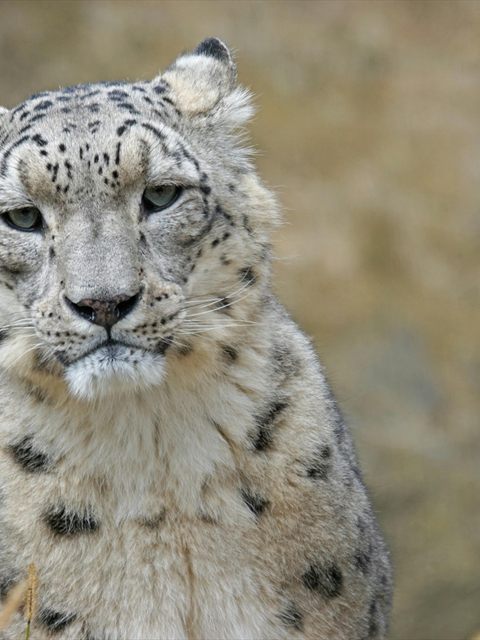 VU
VU
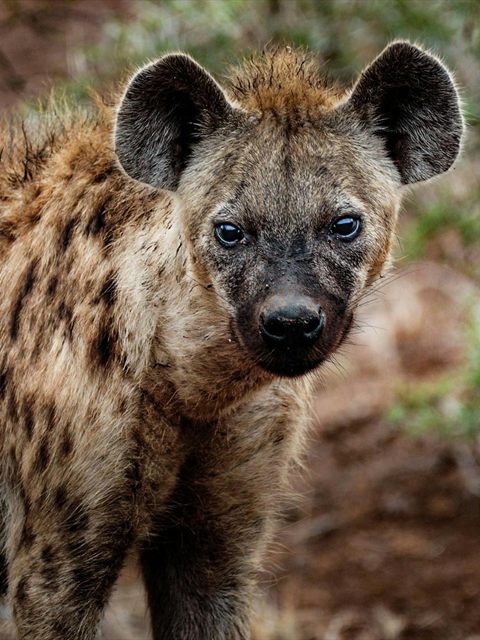 LC
LC
70-100 kg
Weight
1.2-1.8 m
Length
1.0-1.2 m at shoulder
Height (Shoulder)
- Coloration
- The Addax has a light brown to white coat with a slightly darker coloration on the legs and face.
- Sexual Dimorphism
- Males are larger and have longer, more twisted horns than females.
- Lifespan
- 15-20 years in the wild, up to 30 in captivity
- Gestation Period
- 240 days
- Offspring per Birth
- 1
- Sexual Maturity
- 2-3 years
- Breeding Season
- Year-round, with peaks depending on environmental conditions
CR
Critically Endangered
IUCN Red List Status
- Population Status
- The Addax population is critically endangered, with numbers declining due to habitat loss and hunting.
- Wild Population Estimate
- Less than 500 individuals
- Population Trend
- Decreasing
- Endangered
- 1
- Threats
- The main threats to the Addax include habitat destruction due to human activities, poaching, and competition with livestock for resources. Climate change also poses a significant risk to their survival.
- Conservation Program
- Various conservation programs are in place, including habitat protection and breeding programs in captivity.
- Predators
- Main predators include lions, leopards, and hyenas.
- Defense Mechanisms
- Addax rely on their speed and agility to escape predators, often using their ability to blend into their environment as a defense mechanism.
- Compatible Animals
- None
- Found in Zoos
- Rare