


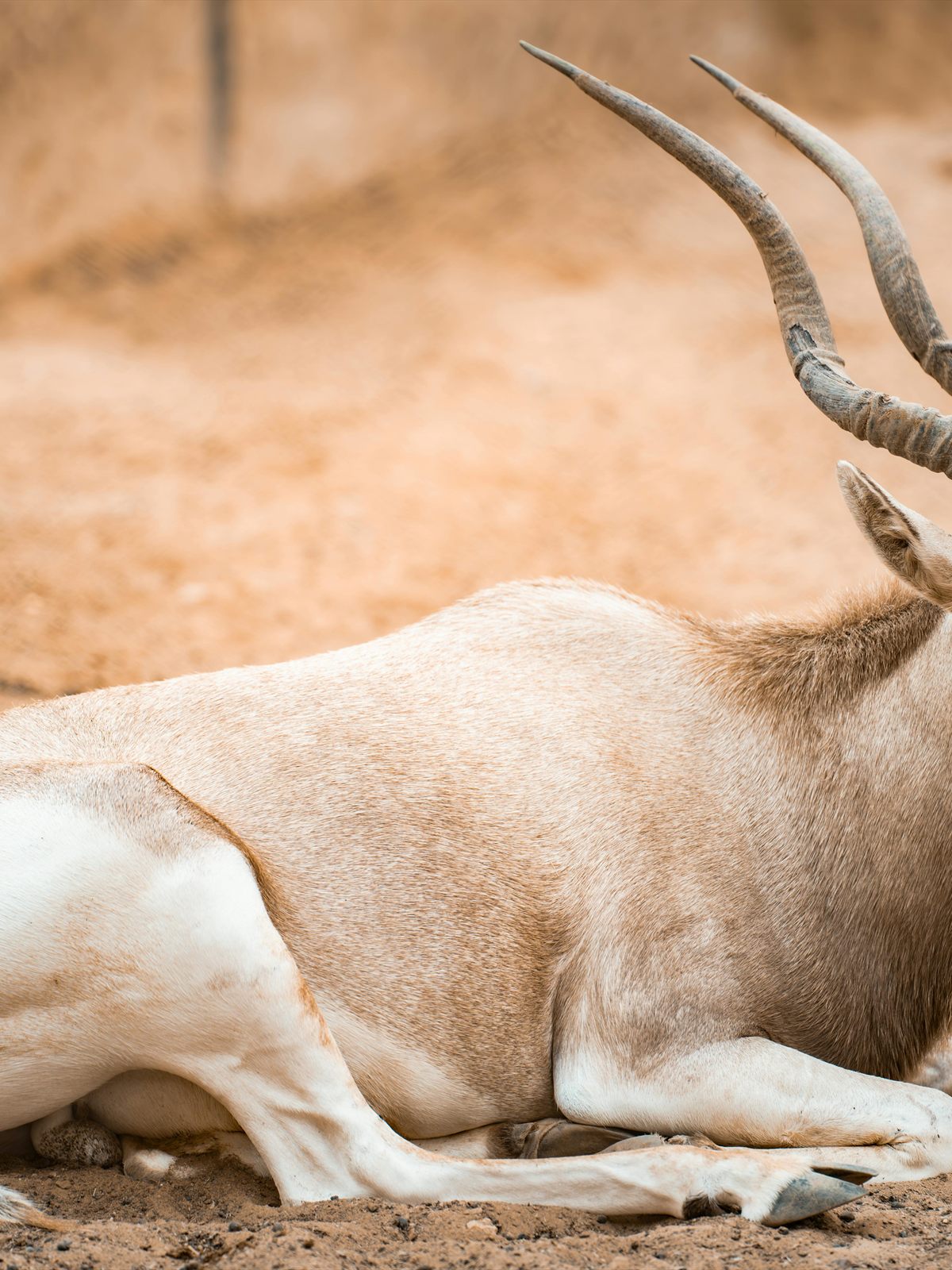
ADDAX
Addax nasomaculatus
DESCRIPTION
The Addax, also known as the white antelope or screwhorn antelope, is a critically endangered species native to the Sahara Desert. It is well adapted to arid environments and is known for its long, twisted horns and pale coloration.
FUN FACTS
- Addax can survive without drinking water for long periods | They are one of the few antelope species that can thrive in extreme desert conditions | Their twisted horns can grow up to 1 meter long
QUICK INFO
Lifespan10-20 years in the wild, up to 25 in captivity
Average Weight50-120 kg
Average Length1.2-1.8 m
Diet TypeHerbivore
Social Structuresolitary or small groups, often seen in pairs or small family groups.
Activity PatternCrepuscular
Breeding SeasonYear-round, with peaks depending on environmental conditions
- Habitat
- Addax inhabit desert and semi-desert regions, often found in sandy or rocky areas. They are highly mobile and can travel long distances in search of food and water.
- Biomes
- Desert, Semi-arid
- Native Range
- Historically found across the Sahara Desert, now primarily in Niger and Chad.
- Continent
- Africa
- Countries
- Niger, Chad
- Diet
- Addax are herbivores that primarily feed on grasses, leaves, and shoots. They are capable of surviving long periods without water by obtaining moisture from their food.
- Diet Type
- Herbivore
- Favorite Food
- grasses, leaves
- Social Structure
- solitary or small groups, often seen in pairs or small family groups.
- Activity Pattern
- Crepuscular
- Group Size
- 1-10
- Territorial
- 0
 LC
LC
50-120 kg
Weight
1.2-1.8 m
Length
1.0-1.2 m at shoulder
Height (Shoulder)
- Coloration
- pale white to light brown with a lighter underbelly
- Sexual Dimorphism
- males are larger with longer horns
- Lifespan
- 10-20 years in the wild, up to 25 in captivity
- Gestation Period
- 240 days
- Offspring per Birth
- 1
- Sexual Maturity
- 2-3 years
- Breeding Season
- Year-round, with peaks depending on environmental conditions
CR
Critically Endangered
IUCN Red List Status
- Population Status
- The Addax population is critically low, with estimates suggesting fewer than 500 individuals remain in the wild.
- Wild Population Estimate
- less than 500
- Population Trend
- Decreasing
- Endangered
- 1
- Threats
- Main threats include habitat loss due to desertification and hunting. Poaching for their horns and meat has also significantly impacted their numbers.
- Conservation Program
- Various conservation programs are in place, including habitat protection and anti-poaching efforts.
- Predators
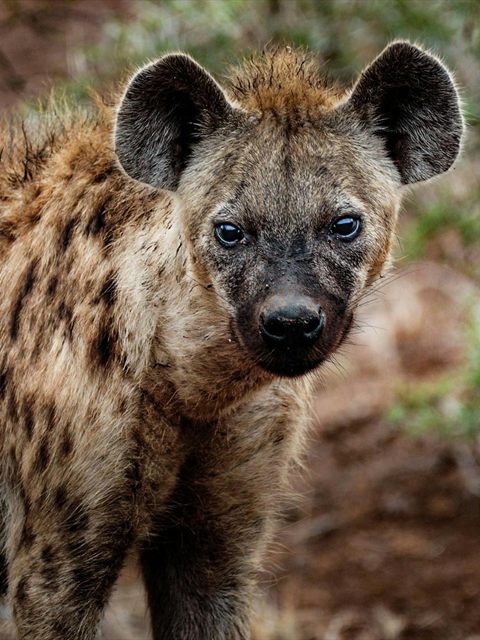
- Main predators include lions and hyenas.
- Defense Mechanisms
- Addax rely on their speed and agility to escape predators, often using their ability to blend into their desert surroundings.
- Compatible Animals
- none
- Found in Zoos
- Uncommon