



AESCULAPIAN SNAKE
Zamenis longissimus
DESCRIPTION
The Aesculapian Snake (Zamenis longissimus) is a non-venomous snake known for its slender body and impressive length, often reaching up to 2.5 meters. It has a distinctive coloration, typically featuring a greenish or yellowish hue with dark spots along its back, which helps it blend into its forested habitat. This species is primarily arboreal, often found in trees, and is known for its calm demeanor, making it less likely to bite when threatened.
FUN FACTS
- The Aesculapian Snake is named after Aesculapius, the Greek god of medicine, reflecting its historical association with healing and health
- In ancient times, these snakes were often kept in temples as symbols of healing and were believed to have medicinal properties
- | This species is known for its impressive climbing abilities, often seen basking on branches or hunting in trees
- Its agility and non-aggressive nature make it a fascinating subject for herpetologists and snake enthusiasts alike
QUICK INFO
Lifespan10-15 years in the wild, up to 20 in captivity
Average Weight1-2 kg
Average Length1.8-2.5 m
Diet TypeCarnivore
Social Structuresolitary
Activity PatternDiurnal
Breeding SeasonSpring (April-June)
- Habitat
- Aesculapian Snakes inhabit a variety of environments, including forests, woodlands, and grasslands. They prefer areas with plenty of cover, such as shrubs and trees, which provide both hunting grounds and protection.
- Biomes
- Temperate Forest, Grassland
- Native Range
- The Aesculapian Snake is native to parts of Europe and Asia, particularly in regions such as the Balkans, Italy, and parts of Turkey.
- Continent
- Europe, Asia
- Countries
- Italy, Greece, Turkey, Croatia, Slovenia
- Diet
- The Aesculapian Snake primarily feeds on small mammals, birds, and lizards. It is an adept climber, allowing it to hunt effectively in trees.
- Diet Type
- Carnivore
- Favorite Food
- small mammals, birds, lizards
- Social Structure
- solitary
- Activity Pattern
- Diurnal
- Group Size
- 1
- Territorial
- 0
 VU
VU
 LC
LC
1-2 kg
Weight
1.8-2.5 m
Length
- Coloration
- greenish or yellowish with dark spots
- Sexual Dimorphism
- males are generally smaller than females
- Lifespan
- 10-15 years in the wild, up to 20 in captivity
- Offspring per Birth
- 5-15
- Sexual Maturity
- 2-3 years
- Breeding Season
- Spring (April-June)
LC
Least Concern
IUCN Red List Status
- Population Status
- The population of Aesculapian Snakes is currently stable, though local declines may occur due to habitat loss.
- Wild Population Estimate
- unknown
- Population Trend
- Stable
- Endangered
- 0
- Threats
- Main threats include habitat destruction due to urbanization and agriculture. Additionally, road mortality poses a risk to this species.
- Predators
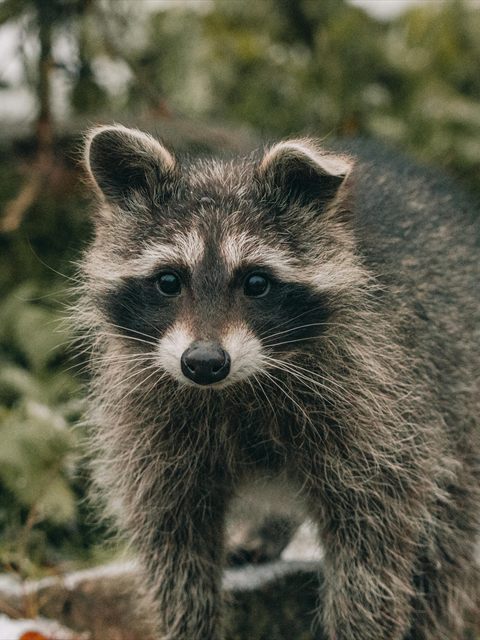
- birds of prey, larger snakes, mammals such as foxes and raccoons
- Defense Mechanisms
- When threatened, Aesculapian Snakes may hiss, flatten their bodies, or retreat into trees or bushes.
- Found in Zoos
- Uncommon