


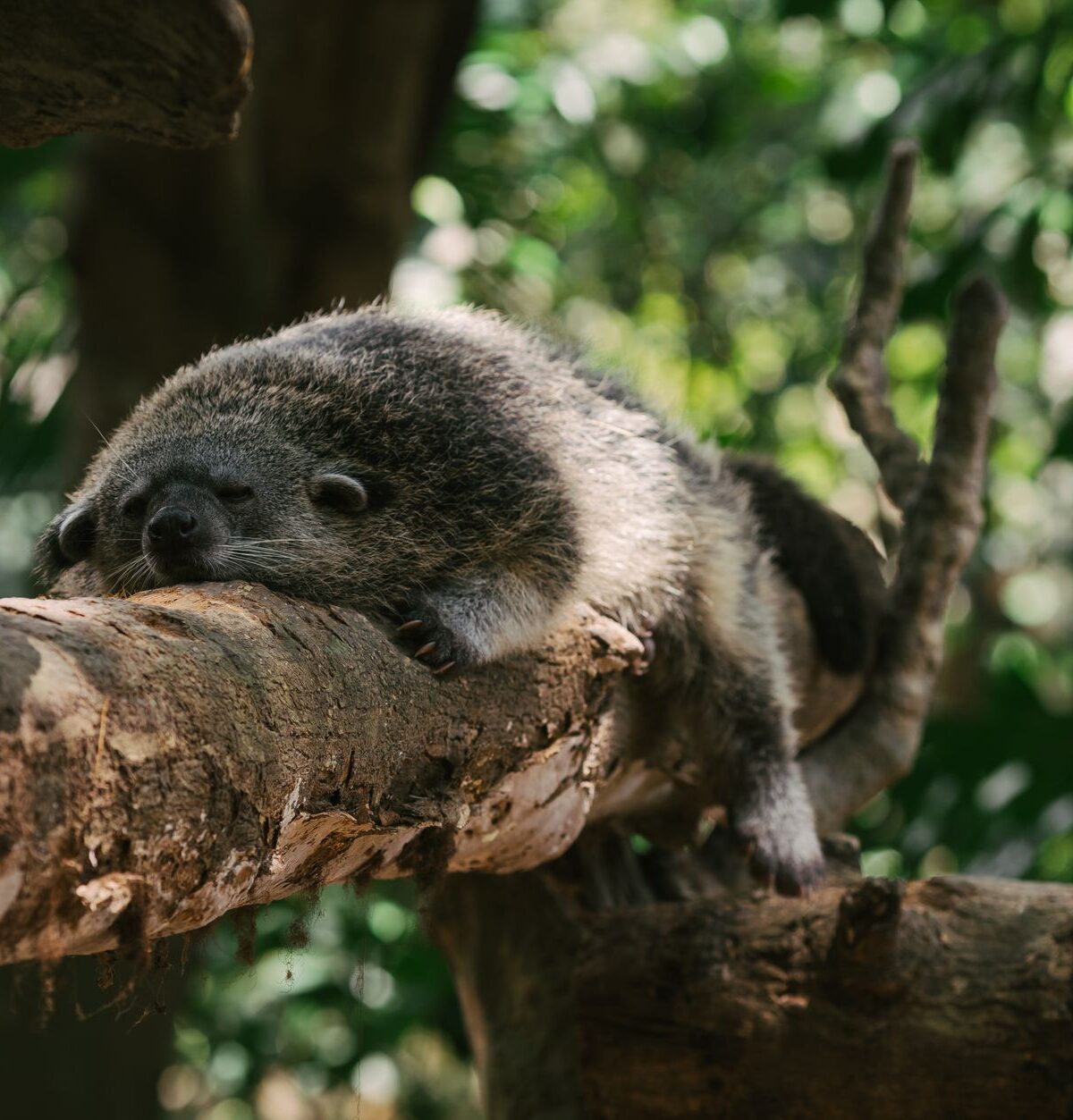
AFRICAN CIVET
Civettictis civetta
DESCRIPTION
African Civet (Civettictis civetta) is commonly known as the civet cat and is a medium-sized mammal characterized by its elongated body and distinctive markings. It has a unique coat with a mix of gray and black fur, adorned with spots and stripes that provide excellent camouflage in its natural habitat. This species is primarily nocturnal and is known for its solitary behavior, often marking its territory with scent markings from its perianal glands.
FUN FACTS
- African Civets are known for their unique method of locomotion, which includes a distinctive gait that resembles that of a cat
- They are also famous for their role in the production of civetone, a substance used in the perfume industry, which is derived from their scent glands
- | Despite their name, African Civets are not true cats; they belong to the family Viverridae, which includes other civets and genets
- Their unique appearance and behavior make them a fascinating subject of study in the animal kingdom
QUICK INFO
Lifespan10-15 years in the wild, up to 20 years in captivi
Average Weight8-12 kg
Average Length70-80 cm
Diet TypeOmnivore
Social Structuresolitary, with occasional pair bonding during mating
Activity PatternNocturnal
Breeding SeasonYear-round, with peaks depending on the region
- Habitat
- African Civets inhabit a range of environments, including savannas, forests, and agricultural areas. They prefer areas with dense cover for shelter and hunting.
- Biomes
- Savanna, Forest, Grassland
- Native Range
- The species is native to sub-Saharan Africa, found in a variety of habitats across the continent.
- Continent
- Africa
- Countries
- South Africa, Kenya, Tanzania, Uganda, Democratic Republic of the Congo
- Diet
- The African Civet is an omnivore, feeding on a varied diet that includes fruits, insects, small mammals, and birds. It is particularly fond of ripe fruits, which make up a significant portion of its diet.
- Diet Type
- Omnivore
- Favorite Food
- fruits, insects, small mammals
- Social Structure
- solitary, with occasional pair bonding during mating
- Activity Pattern
- Nocturnal
- Group Size
- 1
- Territorial
- 1
 VU
VU
 VU
VU
 LC
LC
8-12 kg
Weight
70-80 cm
Length
- Coloration
- grayish-brown fur with black spots and stripes
- Sexual Dimorphism
- males are generally larger than females
- Lifespan
- 10-15 years in the wild, up to 20 years in captivi
- Gestation Period
- 60-70 days
- Offspring per Birth
- 2-4
- Sexual Maturity
- 1-2 years
- Breeding Season
- Year-round, with peaks depending on the region
LC
Least Concern
IUCN Red List Status
- Population Status
- The population of African Civets is currently stable, but they face threats from habitat loss and hunting.
- Wild Population Estimate
- Unknown
- Population Trend
- Stable
- Endangered
- 0
- Threats
- Main threats include habitat destruction due to agriculture and urbanization, as well as hunting for their musk, which is used in perfumes. These factors have led to localized declines in some areas.
- Predators
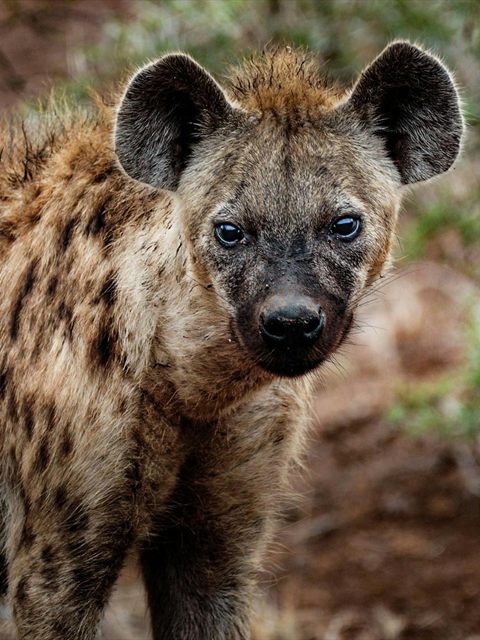
- large birds of prey, leopards, hyenas
- Defense Mechanisms
- African Civets can emit a strong-smelling musk from their glands as a defense mechanism against predators.
- Found in Zoos
- Uncommon