



AFRICAN DARTER
Anhinga rufa
DESCRIPTION
The African Darter, also known as the snakebird, is a water bird characterized by its long neck and slender body. It has a distinctive appearance with a dark plumage on its back and a lighter, almost white coloration on its underparts. This species is known for its unique hunting behavior, often seen swimming with only its neck above water, resembling a snake, which aids in catching fish.
FUN FACTS
- The African Darter is often called the snakebird due to its long neck and the way it swims with just its neck above water, making it look like a snake
- This unique swimming style not only helps it catch fish but also allows it to remain hidden from potential predators
- | Unlike many other water birds, African Darters do not have waterproof feathers, which is why they are often seen drying their wings after diving
- This adaptation allows them to dive more easily but requires them to spend time basking in the sun to dry off
QUICK INFO
Lifespan10-15 years in the wild
Average Weight1-2 kg
Average Length0.8-1 m
Diet TypePiscivore
Social Structuresolitary or in pairs, occasionally found in small groups
Activity PatternDiurnal
Breeding SeasonVaries by region, typically during the rainy season
- Habitat
- African Darters inhabit freshwater bodies such as lakes, rivers, and swamps, often favoring areas with abundant aquatic vegetation. They require access to open water for hunting and nesting sites in trees or reeds.
- Biomes
- Wetlands, Freshwater
- Native Range
- The African Darter is found across sub-Saharan Africa, particularly in regions with suitable freshwater habitats.
- Continent
- Africa
- Countries
- Angola, Botswana, Cameroon, Democratic Republic of the Congo, Kenya, Namibia, South Africa, Tanzania, Uganda, Zambia, Zimbabwe
- Diet
- The African Darter primarily feeds on fish, which it catches by diving underwater. It may also consume small invertebrates occasionally.
- Diet Type
- Piscivore
- Favorite Food
- fish
- Social Structure
- solitary or in pairs, occasionally found in small groups
- Activity Pattern
- Diurnal
- Group Size
- 1-5
- Territorial
- 0
 VU
VU
 VU
VU
1-2 kg
Weight
0.8-1 m
Length
- Coloration
- The African Darter has a dark brown to black upper body with a striking white throat and underparts.
- Sexual Dimorphism
- Males are generally darker and larger than females.
- Lifespan
- 10-15 years in the wild
- Offspring per Birth
- 3-5
- Sexual Maturity
- 2-3 years
- Breeding Season
- Varies by region, typically during the rainy season
LC
Least Concern
IUCN Red List Status
- Population Status
- The population of African Darters is currently stable, with no major declines reported.
- Wild Population Estimate
- Unknown
- Population Trend
- Stable
- Endangered
- 0
- Threats
- Main threats include habitat destruction due to wetland drainage and pollution. Additionally, they may be affected by overfishing, which reduces their food supply.
- Predators
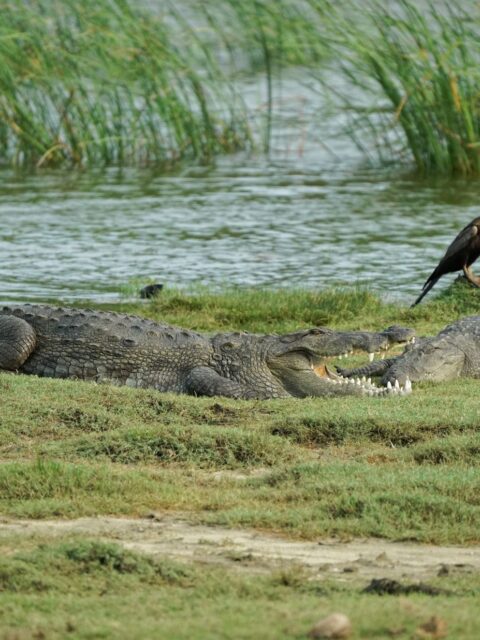
- Large birds of prey, crocodiles, and some mammals may prey on African Darters, especially their eggs and young.
- Defense Mechanisms
- African Darters rely on their swimming ability and camouflage to evade predators, often remaining submerged until the threat passes.
- Found in Zoos
- Uncommon