


AFRICAN JACANA
Actophilornis africanus
DESCRIPTION
The African Jacana is a striking wading bird known for its long legs and toes, which allow it to walk on floating vegetation in shallow waters. It has a distinctive plumage with a brown body, white underparts, and a striking blue frontal shield. This species is also known for its unique behavior of being a polyandrous breeder, where females mate with multiple males who then take care of the young.
FUN FACTS
- African Jacanas are sometimes referred to as 'Jesus birds' because they appear to walk on water due to their long toes and lightweight bodies
- They are also known for their unique parenting system, where males incubate the eggs and care for the chicks, allowing females to mate with multiple males and increase their reproductive success
QUICK INFO
Lifespan5-10 years in the wild
Average Weight150-250 g
Average Length25-30 cm
Diet TypeOmnivore
Social Structurepair, often seen in small groups during foraging
Activity PatternDiurnal
Breeding SeasonVaries by region, often during the rainy season
- Habitat
- African Jacanas inhabit freshwater wetlands, marshes, and shallow lakes with abundant floating vegetation. They prefer areas with dense cover, which provides protection and foraging opportunities.
- Biomes
- Wetlands, Freshwater
- Native Range
- The African Jacana is found across sub-Saharan Africa, particularly in regions with suitable wetland habitats.
- Continent
- Africa
- Countries
- Botswana, Kenya, Tanzania, Uganda, Zambia, South Africa
- Diet
- The African Jacana primarily feeds on insects, small invertebrates, and seeds found in its aquatic habitat. It forages by walking on lily pads and other floating vegetation, using its long toes to distribute its weight.
- Diet Type
- Omnivore
- Favorite Food
- insects, seeds
- Social Structure
- pair, often seen in small groups during foraging
- Activity Pattern
- Diurnal
- Group Size
- 2-10
- Territorial
- 0

 LC
LC
150-250 g
Weight
25-30 cm
Length
- Coloration
- brown body with white underparts and blue frontal shield
- Sexual Dimorphism
- females are larger than males
- Lifespan
- 5-10 years in the wild
- Offspring per Birth
- 3-5
- Sexual Maturity
- 1-2 years
- Breeding Season
- Varies by region, often during the rainy season
LC
Least Concern
IUCN Red List Status
- Population Status
- The population of African Jacanas is currently stable, but habitat loss poses a potential threat.
- Wild Population Estimate
- 50,000-100,000
- Population Trend
- Stable
- Endangered
- 0
- Threats
- Main threats include habitat destruction due to agricultural expansion and pollution of wetland areas. Climate change also poses a risk to their wetland habitats.
- Predators
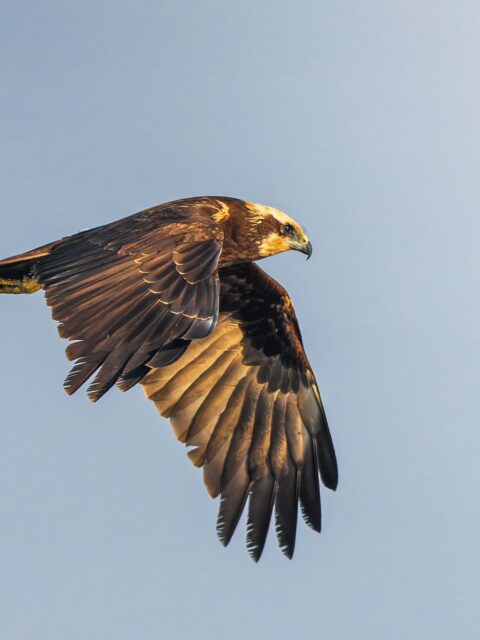
- Fish Eagles, Marsh Harriers, various snakes, and larger birds of prey.
- Defense Mechanisms
- African Jacanas often rely on their ability to blend into their surroundings and their agility to escape predators.
- Found in Zoos
- Uncommon