


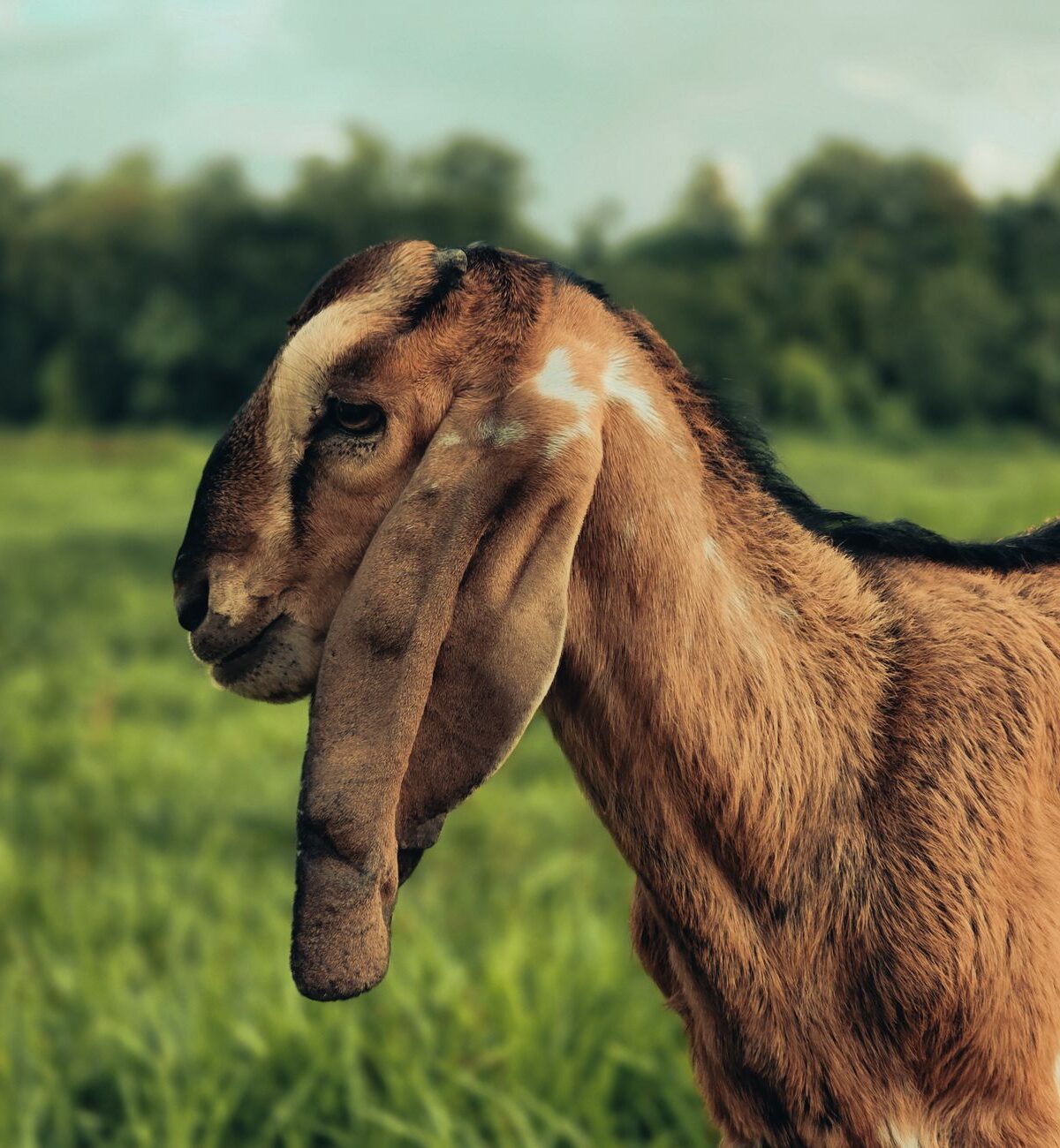
AFRICAN LONG-EARED GOAT
DESCRIPTION
Also called Nubian Goat and East African Goat, the African Long-Eared Goat is known for its distinctive long ears and robust body. This breed is characterized by its large, drooping ears that can measure up to 30 cm in length, which help in thermoregulation in hot climates. They are social animals that exhibit strong herd instincts and are often found grazing in groups, displaying a range of vocalizations to communicate with one another.
FUN FACTS
- African Long-Eared Goats are known for their exceptional adaptability to harsh climates, which allows them to thrive in areas with limited resources
- Their long ears not only help with heat dissipation but also enhance their hearing, making them more aware of their surroundings
- | These goats are also valued for their milk and meat, contributing to the livelihoods of many rural communities in East Africa
- They are often seen as a symbol of resilience and resourcefulness in the face of environmental challenges
QUICK INFO
Lifespan10-15 years in the wild, up to 20 years in captivi
Average Weight45-90 kg
Average Length1.2-1.5 m
Diet TypeHerbivore
Social Structuregroup — they typically live in herds that provide social interaction and protection from predators.
Activity PatternDiurnal
Breeding SeasonYear-round, with peaks depending on environmental conditions
- Habitat
- These goats thrive in arid and semi-arid regions, often found in grasslands and savannas. They are well-adapted to harsh environments and can survive with limited water sources.
- Biomes
- Savanna, Grassland
- Native Range
- The African Long-Eared Goat is native to various regions across East Africa, particularly in countries like Kenya and Uganda.
- Continent
- Africa
- Countries
- Kenya, Uganda, Tanzania
- Diet
- The African Long-Eared Goat primarily feeds on grasses, shrubs, and other vegetation. They are known to be efficient foragers, capable of utilizing a variety of plant materials.
- Diet Type
- Herbivore
- Favorite Food
- grasses, shrubs
- Social Structure
- group — they typically live in herds that provide social interaction and protection from predators.
- Activity Pattern
- Diurnal
- Group Size
- 5-30
- Territorial
- 0
 LC
LC
 LC
LC
 LC
LC
 VU
VU
45-90 kg
Weight
1.2-1.5 m
Length
0.8-1.0 m at shoulder
Height (Shoulder)
- Coloration
- They usually have a variety of colors, including black, brown, and white, often with patches or spots.
- Sexual Dimorphism
- Males are generally larger and have more pronounced horns than females.
- Lifespan
- 10-15 years in the wild, up to 20 years in captivi
- Gestation Period
- 150 days
- Offspring per Birth
- 1-3
- Sexual Maturity
- 6-12 months
- Breeding Season
- Year-round, with peaks depending on environmental conditions
LC
Least Concern
IUCN Red List Status
- Population Status
- The population of African Long-Eared Goats is stable, with a significant presence in local farming communities.
- Wild Population Estimate
- Not specifically estimated, but they are commonly found in their native range.
- Population Trend
- Stable
- Endangered
- 0
- Threats
- Main threats include habitat loss due to agricultural expansion and competition with livestock. Additionally, they face risks from diseases and parasites.
- Predators
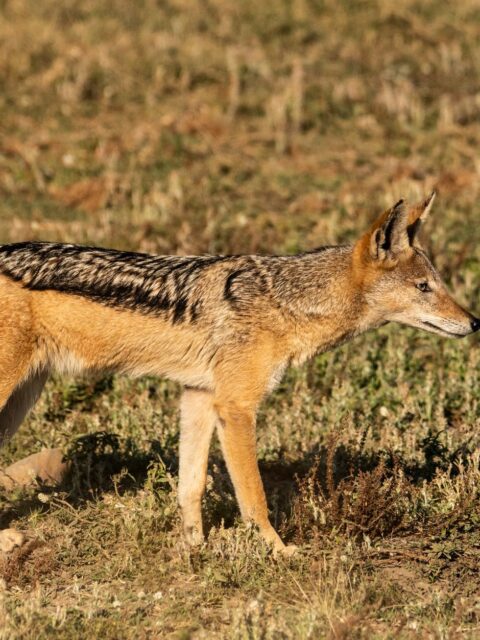
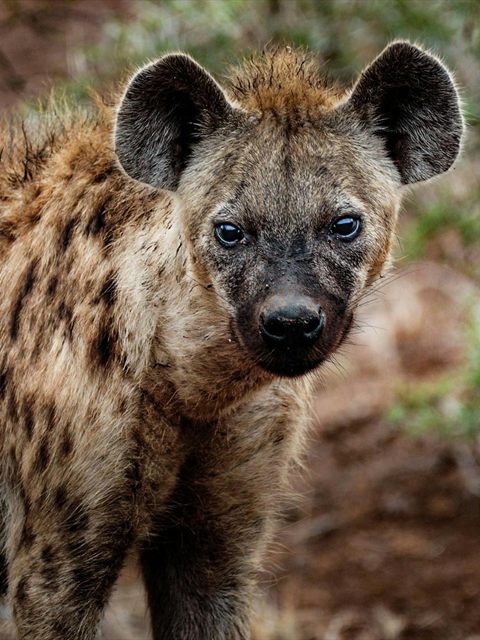
- Jackals, lions, hyenas, and large birds of prey.
- Defense Mechanisms
- They rely on their herd structure for safety, using alertness and quick movements to evade predators.
- Compatible Animals
- Sheep, other goat breeds
- Found in Zoos
- Uncommon