


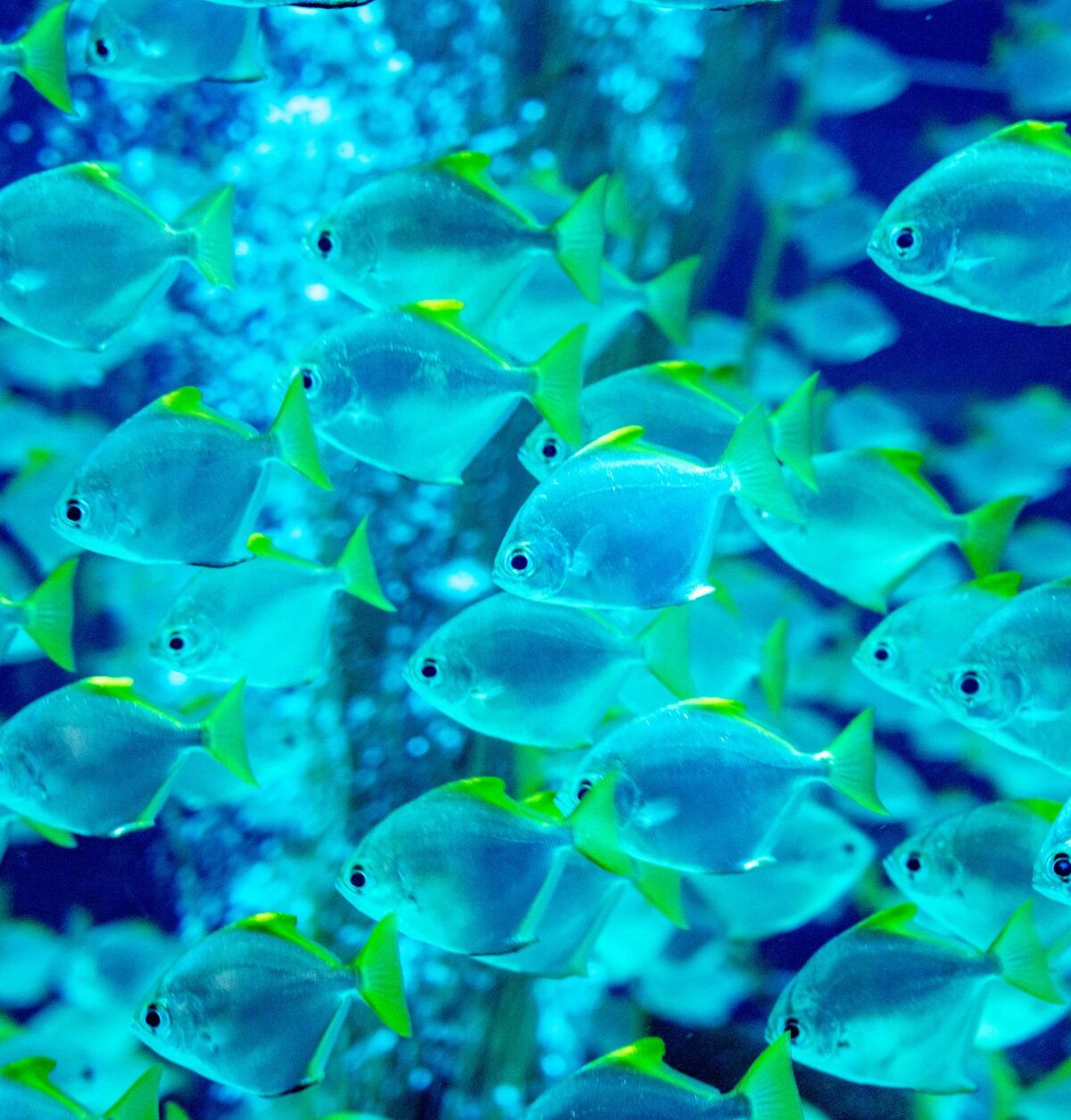
AFRICAN MOONY FISH
Monodactylus sebae
DESCRIPTION
African Moony Fish (Monodactylus sebae) is a distinctive species known for its laterally compressed body and striking coloration, which typically features a silvery body with black markings. This fish is often found in shallow coastal waters and estuaries, where it exhibits a unique swimming style, using its dorsal fin to propel itself gracefully through the water. Socially, they are often seen in small groups, foraging for food and interacting with one another, which adds to their dynamic behavior in their natural habitat.
FUN FACTS
- African Moony Fish are known for their unique ability to adapt to varying salinity levels, allowing them to thrive in both freshwater and brackish environments
- Additionally, they have a fascinating social structure, often engaging in cooperative foraging, which enhances their survival in the wild
QUICK INFO
Lifespan5-10 years in the wild, up to 15 in captivity
Average Weight0.5-1 kg
Average Length15-20 cm
Diet TypeOmnivore
Social StructureThey are typically found in small groups, which can enhance their foraging efficiency and provide protection from predators.
Activity PatternDiurnal
Breeding SeasonYear-round in suitable conditions
- Habitat
- African Moony Fish inhabit shallow coastal waters, lagoons, and estuaries, often preferring sandy or rocky substrates. They are typically found in brackish waters where they can find ample food sources.
- Biomes
- Coastal, Estuarine
- Native Range
- They are native to the coastal waters of West Africa, ranging from Senegal to Angola.
- Continent
- Africa
- Countries
- Senegal, Gambia, Guinea-Bissau, Sierra Leone, Liberia, Ivory Coast, Ghana, Nigeria, Cameroon, Angola
- Diet
- They primarily feed on small invertebrates and algae, foraging in the substrate and among rocks. Their diet is supplemented by detritus and organic matter found in their environment.
- Diet Type
- Omnivore
- Favorite Food
- small invertebrates, algae
- Social Structure
- They are typically found in small groups, which can enhance their foraging efficiency and provide protection from predators.
- Activity Pattern
- Diurnal
- Group Size
- 3-15
- Territorial
- 0
 VU
VU
0.5-1 kg
Weight
15-20 cm
Length
- Coloration
- Silvery body with black vertical stripes and a distinctive shape.
- Lifespan
- 5-10 years in the wild, up to 15 in captivity
- Sexual Maturity
- 1-2 years
- Breeding Season
- Year-round in suitable conditions
LC
Least Concern
IUCN Red List Status
- Population Status
- The population is currently stable, but habitat degradation poses potential risks.
- Wild Population Estimate
- Unknown
- Population Trend
- Stable
- Endangered
- 0
- Threats
- Main threats include habitat loss due to coastal development and pollution. Overfishing in some areas also poses a risk to their populations.
- Predators
- Larger fish species, birds, and some marine mammals are known to prey on African Moony Fish.
- Defense Mechanisms
- They often use their schooling behavior to confuse predators and can quickly dart into crevices for cover.
- Compatible Animals
- Other small fish species, invertebrates
- Found in Zoos
- Uncommon