



AFRICAN OSTRICH
DESCRIPTION
The African ostrich is the largest living bird, characterized by its long neck and legs, and a large body covered with soft feathers. Males are typically black with white wing and tail feathers, while females are brown and gray, providing camouflage in their natural habitat. They are flightless but are incredibly fast runners, capable of reaching speeds up to 70 km/h (43 mph), which helps them escape predators in the wild.
FUN FACTS
- African ostriches have the largest eyes of any land animal, measuring about 5 cm in diameter, which gives them excellent vision to spot predators from a distance
- | Despite their size, ostriches can run faster than most animals, and their long legs allow them to cover up to 5 meters in a single stride, making them incredibly efficient runners
QUICK INFO
Lifespan30-40 years in the wild, up to 50 in captivity
Average Weight90-150 kg
Average Length2.0-2.7 m
Diet TypeHerbivore
Social StructureThey are typically found in groups, which can vary in size, often consisting of several females and one dominant male.
Activity PatternDiurnal
Breeding SeasonSpring (March-May)
- Habitat
- African ostriches inhabit open grasslands, savannas, and semi-desert regions. They prefer areas with plenty of vegetation for foraging and open spaces for running.
- Biomes
- Savanna, Grassland, Desert
- Native Range
- The native range of the African ostrich includes various regions across sub-Saharan Africa.
- Continent
- Africa
- Countries
- South Africa, Namibia, Botswana, Zimbabwe, Kenya, Tanzania, Ethiopia
- Diet
- African ostriches are primarily herbivores, feeding on a variety of plant materials including seeds, leaves, and fruits. They may also consume insects and small animals occasionally.
- Diet Type
- Herbivore
- Favorite Food
- seeds, leaves, fruits
- Social Structure
- They are typically found in groups, which can vary in size, often consisting of several females and one dominant male.
- Activity Pattern
- Diurnal
- Group Size
- 5-50
- Territorial
- 1
 LC
LC
 VU
VU
 LC
LC
90-150 kg
Weight
2.0-2.7 m
Length
2.5-3.0 m
Height (Shoulder)
- Coloration
- Males are black with white accents, while females are brown and gray.
- Sexual Dimorphism
- Males are larger and more brightly colored than females.
- Lifespan
- 30-40 years in the wild, up to 50 in captivity
- Offspring per Birth
- 1-9
- Sexual Maturity
- 2-4 years
- Breeding Season
- Spring (March-May)
LC
Least Concern
IUCN Red List Status
- Population Status
- The population of African ostriches is currently stable, although they face threats from habitat loss and hunting.
- Wild Population Estimate
- Over 1 million
- Population Trend
- Stable
- Endangered
- 0
- Threats
- Main threats include habitat destruction due to agriculture and urbanization, as well as hunting for their feathers and meat. Additionally, they are vulnerable to predation by large carnivores.
- Predators
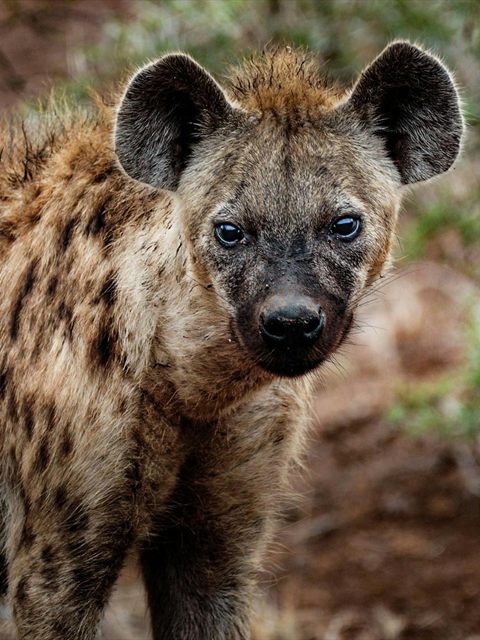
- Lions, leopards, hyenas, and large birds of prey such as eagles.
- Defense Mechanisms
- They rely on their speed and agility to escape predators, and can also deliver powerful kicks if threatened.
- Compatible Animals
- Zebras, antelopes, various birds
- Found in Zoos
- Common