


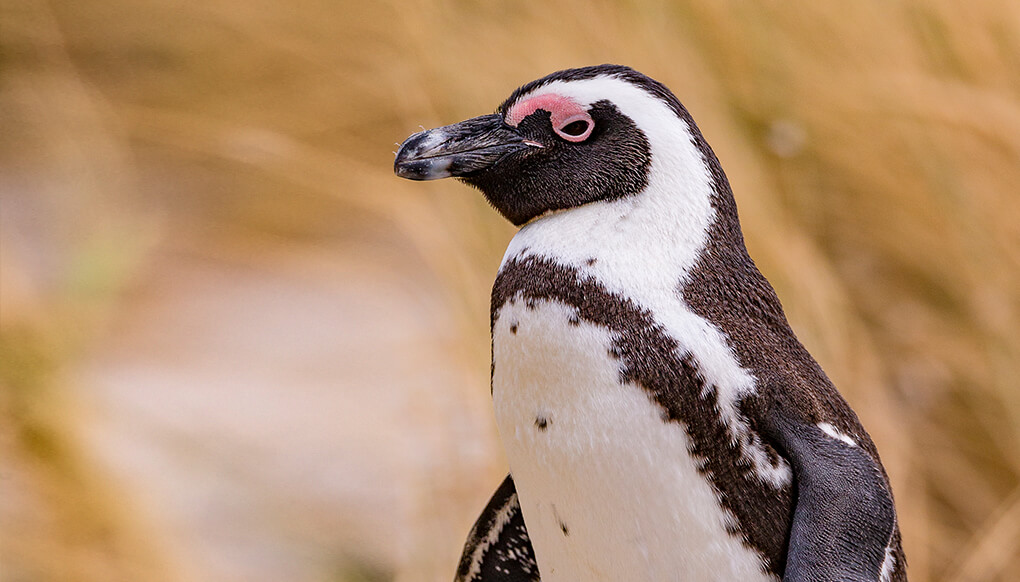
AFRICAN PENGUIN
Spheniscus demersus
DESCRIPTION
Also called the Jackass Penguin due to its distinctive braying call, the African Penguin is a medium-sized penguin with a black and white coloration. They have a distinctive black stripe that runs across their chest and a unique pattern of spots on their face and body, which varies among individuals. African Penguins are social birds, often found in large colonies, and they exhibit behaviors such as preening and vocalizing to communicate with one another.
FUN FACTS
- African Penguins are unique among penguins for their ability to tolerate warmer temperatures, which is essential for their survival in their native habitats
- They are also known for their distinctive braying call, which sounds similar to a donkey, hence the nickname 'Jackass Penguin.' | African Penguins are monogamous and often mate for life, returning to the same nesting site each year to breed
- Their nests are typically made in burrows or under rocks, providing shelter from the sun and predators
QUICK INFO
Lifespan10-15 years in the wild, up to 20 years in captivi
Average Weight2-4 kg
Average Length60-70 cm
Diet TypePiscivore
Social Structuregroup — they are highly social and often found in large colonies, especially during breeding season.
Activity PatternDiurnal
Breeding SeasonSpring to early summer (May to September)
- Habitat
- African Penguins inhabit coastal regions, particularly on rocky shores and islands. They prefer areas with access to the ocean for foraging and sandy beaches for nesting.
- Biomes
- Coastal, Marine
- Native Range
- The native range of the African Penguin includes the southwestern coast of Africa, specifically from Namibia to South Africa.
- Continent
- Africa
- Countries
- Namibia, South Africa
- Diet
- African Penguins primarily feed on small fish, such as sardines and anchovies, as well as squid and crustaceans. They are skilled divers, capable of reaching depths of up to 130 meters in search of food.
- Diet Type
- Piscivore
- Favorite Food
- sardines, anchovies
- Social Structure
- group — they are highly social and often found in large colonies, especially during breeding season.
- Activity Pattern
- Diurnal
- Group Size
- 100-10,000
- Territorial
- 0
 LC
LC
 LC
LC
 LC
LC
2-4 kg
Weight
60-70 cm
Length
- Coloration
- black and white with a distinctive black stripe across the chest
- Sexual Dimorphism
- males are generally larger than females
- Lifespan
- 10-15 years in the wild, up to 20 years in captivi
- Offspring per Birth
- 1-2
- Sexual Maturity
- 2-4 years
- Breeding Season
- Spring to early summer (May to September)
EN
Endangered
IUCN Red List Status
- Population Status
- The African Penguin population has been declining significantly due to various threats, leading to concerns about their conservation status.
- Wild Population Estimate
- approximately 50,000
- Population Trend
- Decreasing
- Endangered
- 1
- Threats
- Main threats to African Penguins include habitat destruction, overfishing, and oil spills, which impact their food supply and nesting sites. Climate change also poses a risk by altering their marine environment.
- Conservation Program
- Various conservation programs are in place, including habitat protection and rehabilitation efforts, as well as breeding programs in captivity.
- Predators
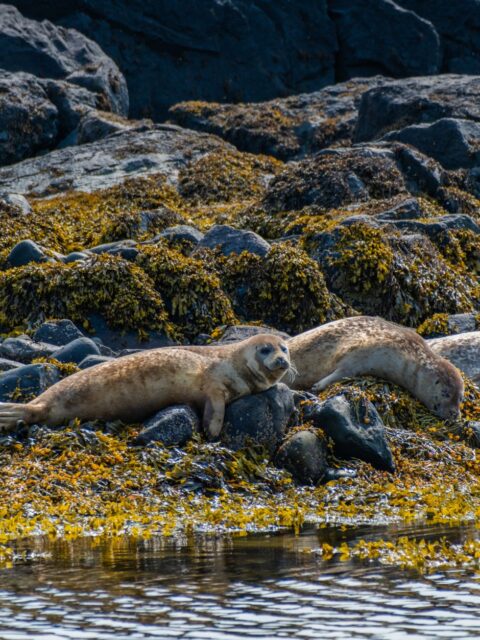
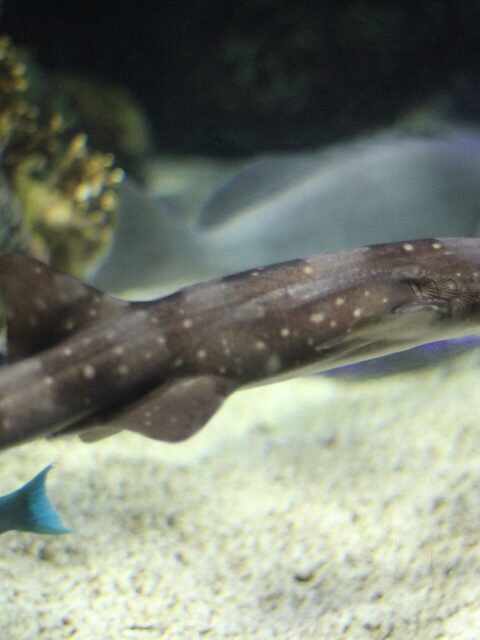
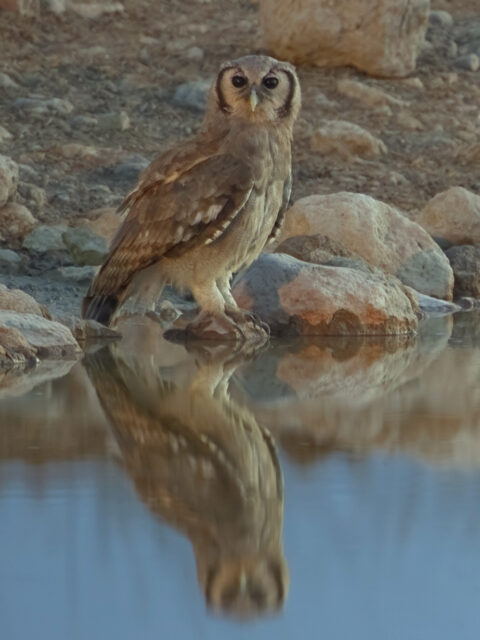
- seals, sharks, and large birds such as seagulls and eagles
- Defense Mechanisms
- African Penguins use vocalizations and physical displays to deter predators, and they often nest in burrows or under vegetation for protection.
- Found in Zoos
- Common