


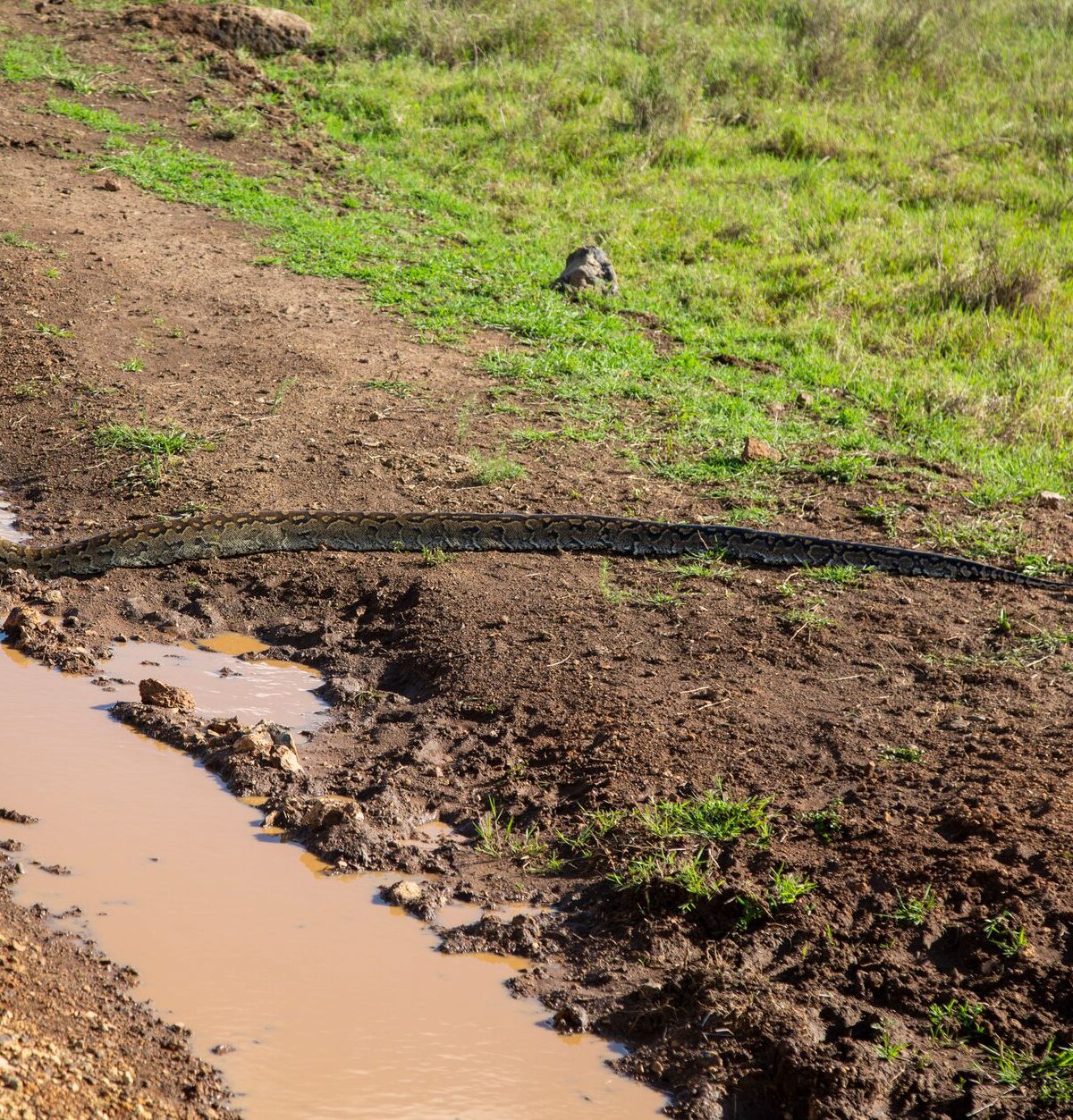
AFRICAN ROCK PYTHON
Python sebae
DESCRIPTION
African Rock Python (Python sebae) is a large non-venomous snake known for its impressive size and distinctive pattern. It has a robust body with a coloration that typically includes shades of brown, yellow, and black, allowing it to blend into its natural environment. This species is primarily nocturnal and is known for its ambush hunting strategy, often lying in wait for prey to come close before striking.
FUN FACTS
- African Rock Pythons are among the largest snakes in the world, with some individuals exceeding lengths of 6 meters
- They are also known for their ability to consume prey much larger than their own diameter, thanks to their highly flexible jaws.|These pythons are excellent swimmers and can hold their breath underwater for up to 30 minutes while hunting or escaping threats
- Their unique coloration not only helps them camouflage in their natural habitat but also plays a role in thermoregulation
QUICK INFO
Lifespan10-15 years in the wild, up to 30 years in captivi
Average Weight90-150 kg
Average Length3-5 m
Diet TypeCarnivore
Social Structuresolitary, typically found alone except during mating season
Activity PatternNocturnal
Breeding SeasonSpring (March-May)
- Habitat
- This species inhabits a variety of environments, including savannas, forests, and wetlands. They are often found near water sources, which provide both hydration and hunting opportunities.
- Biomes
- Savanna, Tropical Rainforest, Wetlands
- Native Range
- The African Rock Python is native to sub-Saharan Africa, ranging from West Africa to East Africa and down to Southern Africa.
- Continent
- Africa
- Countries
- Angola, Botswana, Burkina Faso, Cameroon, Central African Republic, Chad, Democratic Republic of the Congo, Gabon, Ghana, Kenya, Malawi, Mozambique, Namibia, Nigeria, South Africa, Tanzania, Uganda, Zambia, Zimbabwe
- Diet
- African Rock Pythons primarily feed on mammals and birds, using constriction to subdue their prey. They are capable of consuming large animals, including antelope and other sizable mammals.
- Diet Type
- Carnivore
- Favorite Food
- mammals, birds
- Social Structure
- solitary, typically found alone except during mating season
- Activity Pattern
- Nocturnal
- Group Size
- 1
- Territorial
- 0
 VU
VU
 VU
VU
90-150 kg
Weight
3-5 m
Length
- Coloration
- brown and yellow with dark blotches
- Sexual Dimorphism
- females are generally larger than males
- Lifespan
- 10-15 years in the wild, up to 30 years in captivi
- Gestation Period
- 90-120 days
- Offspring per Birth
- 20-50
- Sexual Maturity
- 3-4 years
- Breeding Season
- Spring (March-May)
LC
Least Concern
IUCN Red List Status
- Population Status
- The population of African Rock Pythons is currently stable, but they face threats from habitat loss and hunting.
- Wild Population Estimate
- unknown
- Population Trend
- Stable
- Endangered
- 0
- Threats
- Main threats include habitat destruction due to agriculture and urbanization, as well as hunting for their skin and meat. In some areas, they are also killed due to fear and misunderstanding.
- Predators
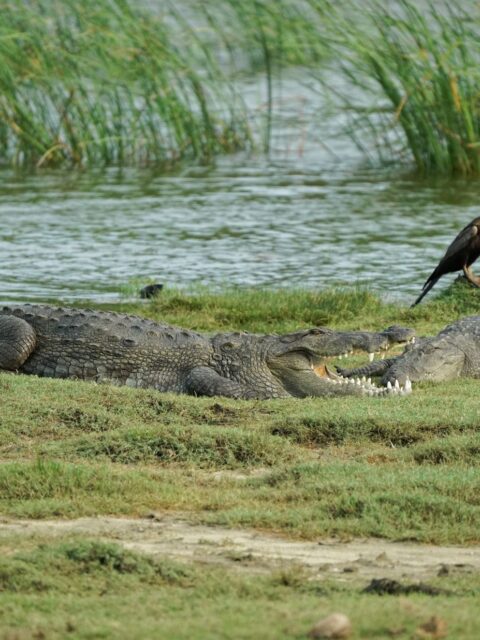
- large birds of prey, crocodiles, and occasionally humans
- Defense Mechanisms
- When threatened, African Rock Pythons may hiss loudly and strike, but they prefer to escape rather than confront predators.
- Found in Zoos
- Common