


AGAMA
DESCRIPTION
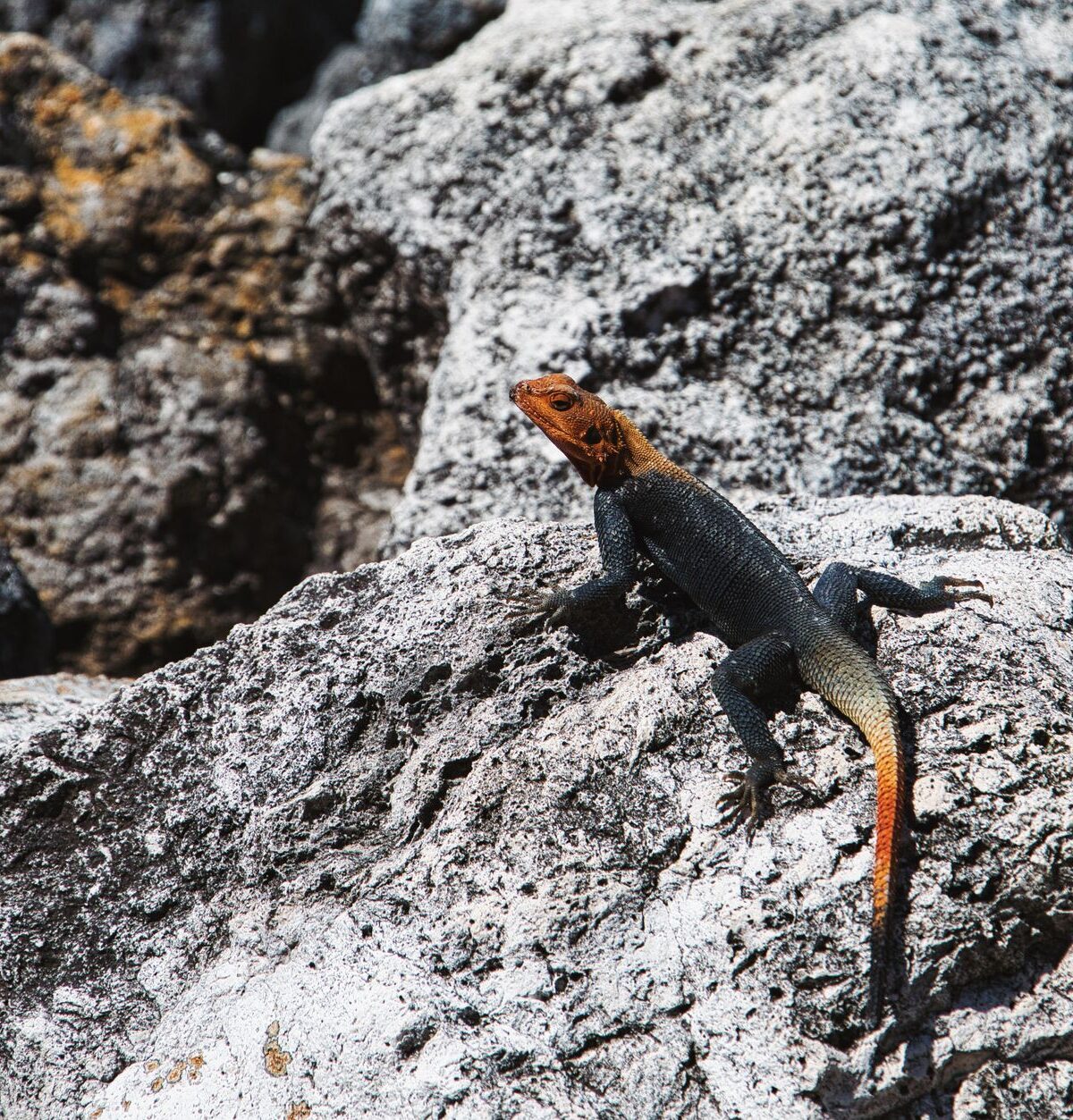
Agama, commonly known as the African Agama, is a vibrant lizard characterized by its striking coloration, which can vary significantly among species. Males often display bright blue or green bodies with contrasting orange or red heads, especially during the breeding season, while females tend to be more subdued in color. These lizards are diurnal and are often seen basking in the sun on rocks or branches, showcasing their territorial behavior and social interactions.
FUN FACTS
- Agama lizards are known for their unique social structures, where males often engage in elaborate displays to attract females and establish dominance
- They can change their color intensity based on mood and environmental conditions, making them fascinating subjects for study
- | In some cultures, Agama lizards are considered symbols of good luck and are often featured in local folklore
- Their ability to adapt to various habitats has allowed them to thrive in diverse environments across Africa
QUICK INFO
Lifespan5-10 years in the wild, up to 15 in captivity
Average Weight50-150 g
Average Length20-30 cm
Diet TypeOmnivore
Social Structuregroup — they often bask and forage in groups, but males can be territorial.
Activity PatternDiurnal
Breeding SeasonSpring to early summer
- Habitat
- Agama lizards inhabit a variety of environments, including savannas, grasslands, and rocky areas. They prefer warm climates where they can bask in the sun and have access to shelter.
- Biomes
- Savanna, Grassland, Rocky areas
- Native Range
- Agama species are native to Africa, with a wide distribution across the continent.
- Continent
- Africa
- Countries
- Kenya, Tanzania, South Africa, Uganda, Namibia
- Diet
- Agama primarily feeds on insects and other small invertebrates, but they may also consume plant matter. Their diet can vary based on availability and habitat.
- Diet Type
- Omnivore
- Favorite Food
- insects, small invertebrates
- Social Structure
- group — they often bask and forage in groups, but males can be territorial.
- Activity Pattern
- Diurnal
- Group Size
- 5-15
- Territorial
- 1
 VU
VU
 LC
LC
50-150 g
Weight
20-30 cm
Length
- Coloration
- vibrant colors, often blue or green with contrasting patterns
- Sexual Dimorphism
- males are more colorful than females
- Lifespan
- 5-10 years in the wild, up to 15 in captivity
- Offspring per Birth
- 5-10
- Sexual Maturity
- 1-2 years
- Breeding Season
- Spring to early summer
LC
Least Concern
IUCN Red List Status
- Population Status
- Population status varies by species, but many are common in their habitats.
- Wild Population Estimate
- unknown
- Population Trend
- Stable
- Endangered
- 0
- Threats
- Habitat loss due to urbanization and agriculture poses a threat to some Agama species. Additionally, they may be affected by climate change and predation.
- Predators
- birds of prey, snakes, larger lizards
- Defense Mechanisms
- Agama lizards can display bright colors to intimidate rivals and may also use their speed to escape predators.
- Found in Zoos
- Common