


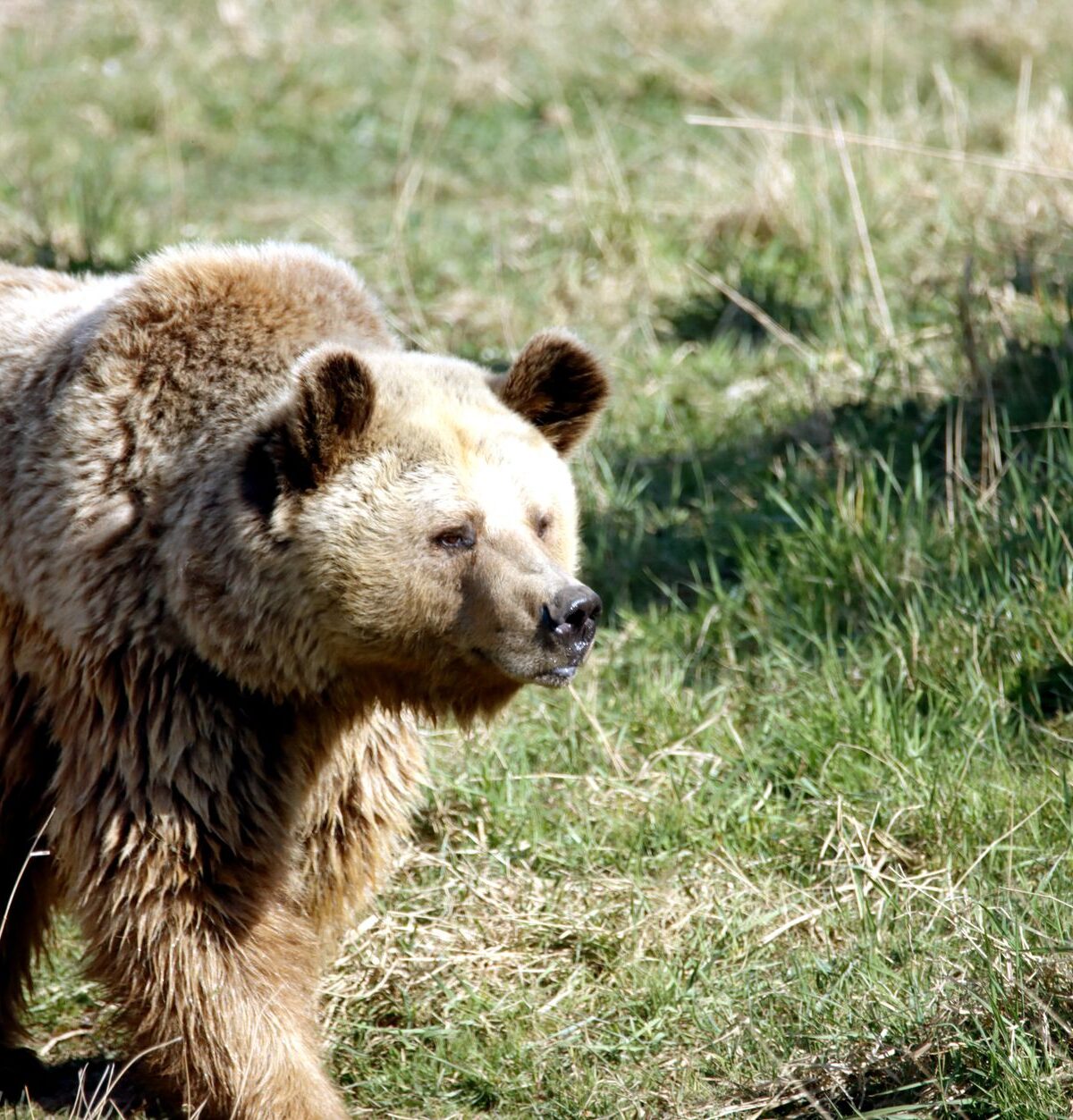
ALASKAN COASTAL BROWN BEAR
Ursus arctos gyas
DESCRIPTION
Alaskan Coastal Brown Bear (Ursus arctos gyas) is a subspecies of the brown bear that is primarily found along the coastal regions of Alaska. These bears are known for their impressive size, with males often weighing between 300 to 1,500 pounds and standing up to 10 feet tall when on their hind legs. They exhibit a range of behaviors, including foraging for food along the shorelines and rivers, where they are often seen catching salmon during spawning seasons.
FUN FACTS
- Alaskan Coastal Brown Bears are known for their incredible fishing skills, particularly during the salmon run when they can catch multiple fish in a single leap
- They can consume up to 30 salmon in a day, showcasing their impressive foraging abilities
- | These bears have a unique social structure, often establishing dominance hierarchies based on size and age, which can influence their access to food resources during critical feeding times
QUICK INFO
Lifespan20-30 years in the wild, up to 40 in captivity
Average Weight300-680 kg
Average Length2.4-3.0 m
Diet TypeOmnivore
Social StructureSolitary, with some exceptions during mating and mother-cub interactions.
Activity PatternDiurnal
Breeding SeasonSpring (May-June)
- Habitat
- Alaskan Coastal Brown Bears inhabit coastal forests, tundra, and river valleys, often near water sources where they can fish. They prefer areas with abundant food resources, especially during the salmon spawning season.
- Biomes
- Temperate Rainforest, Tundra
- Native Range
- They are native to the coastal regions of Alaska, particularly in areas like Kodiak Island and the Kenai Peninsula.
- Continent
- North America
- Countries
- United States
- Diet
- They are omnivorous, consuming a varied diet that includes fish, berries, roots, and small mammals.
- Diet Type
- Omnivore
- Favorite Food
- Salmon
- Social Structure
- Solitary, with some exceptions during mating and mother-cub interactions.
- Activity Pattern
- Diurnal
- Group Size
- 1-3
- Territorial
- 1
300-680 kg
Weight
2.4-3.0 m
Length
1.5 m at shoulder
Height (Shoulder)
- Coloration
- They typically have a brown coat that can vary from light blonde to dark brown, often with a distinctive hump on their shoulders.
- Sexual Dimorphism
- Males are generally larger than females.
- Lifespan
- 20-30 years in the wild, up to 40 in captivity
- Gestation Period
- 180-250 days
- Offspring per Birth
- 1-4
- Sexual Maturity
- 4-5 years
- Breeding Season
- Spring (May-June)
LC
Least Concern
IUCN Red List Status
- Population Status
- The population is currently stable, but local variations exist depending on specific regions.
- Wild Population Estimate
- 30,000-40,000
- Population Trend
- Stable
- Endangered
- 0
- Threats
- Main threats include habitat loss due to human encroachment, climate change affecting food sources, and hunting. Conservation efforts are in place to mitigate these threats.
- Conservation Program
- Kodiak Brown Bear Recovery Program
- Predators
- Humans are the primary threat, while cubs may be preyed upon by wolves and other large carnivores.
- Defense Mechanisms
- They use their size and strength to defend themselves, and they can also be aggressive when threatened.
- Found in Zoos
- Uncommon