


ALDABRA GIANT TORTOISE
Aldabrachelys gigantea
DESCRIPTION
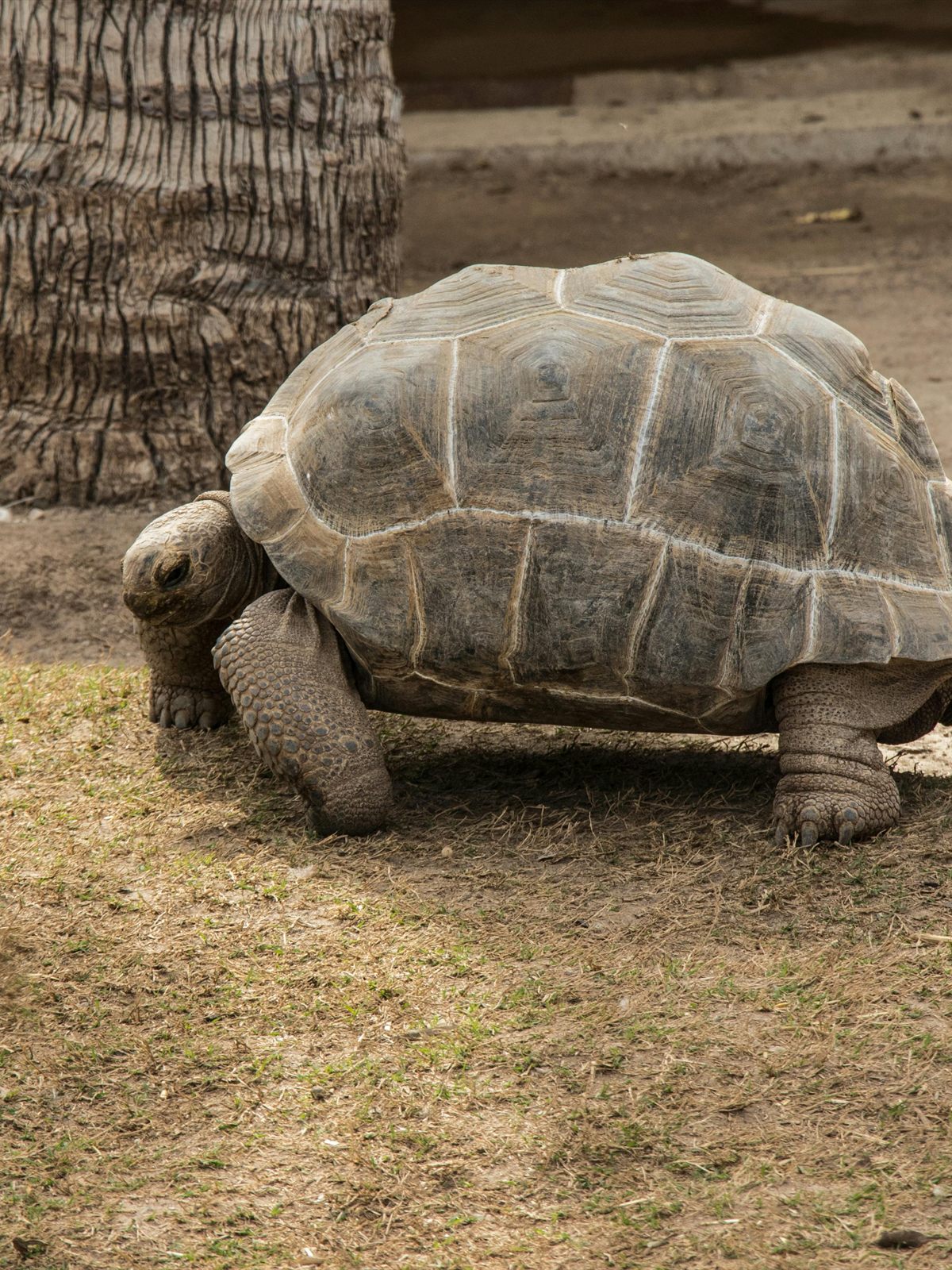
Also called the Aldabra Tortoise, the Aldabra Giant Tortoise is one of the largest tortoise species in the world, characterized by its massive, dome-shaped shell and sturdy limbs. These tortoises exhibit a grayish-brown coloration, which helps them blend into their natural habitat of dry grasslands and scrub forests. They are known for their slow movement and long lifespan, often living over a century in the wild, and they play a crucial role in their ecosystem by aiding in seed dispersal and vegetation management.
FUN FACTS
- Aldabra Giant Tortoises are known for their impressive size, with some individuals weighing over 250 kg and measuring up to 1.5 meters in length
- They are also remarkable for their longevity, with some tortoises living well over 100 years, making them one of the longest-living vertebrates on the planet
- | These tortoises have a unique adaptation that allows them to survive long periods without water, as they can extract moisture from the vegetation they consume
- This ability is crucial for their survival in the dry habitats of the Aldabra Atoll
QUICK INFO
Lifespanup to 150 years in the wild
Average Weight150-250 kg
Average Length1.2-1.5 m
Diet TypeHerbivore
Social Structuresolitary, occasionally seen in small groups
Activity PatternDiurnal
Breeding SeasonSpring (March-May)
- Habitat
- These tortoises inhabit dry grasslands and scrub forests, primarily found on the Aldabra Atoll in the Seychelles. They thrive in warm, tropical climates with access to vegetation.
- Biomes
- Tropical Savanna, Grassland
- Native Range
- The Aldabra Giant Tortoise is native to the Aldabra Atoll in the Seychelles, located in the Indian Ocean.
- Continent
- Africa
- Countries
- Seychelles
- Diet
- Aldabra Giant Tortoises are primarily herbivorous, feeding on a variety of grasses, leaves, and fruits. They have a preference for fibrous plant material, which is essential for their digestive health.
- Diet Type
- Herbivore
- Favorite Food
- grasses, leaves, fruits
- Social Structure
- solitary, occasionally seen in small groups
- Activity Pattern
- Diurnal
- Group Size
- 1-5
- Territorial
- 0
 VU
VU
150-250 kg
Weight
1.2-1.5 m
Length
- Coloration
- grayish-brown shell with a lighter underside
- Sexual Dimorphism
- males are generally larger than females
- Lifespan
- up to 150 years in the wild
- Gestation Period
- 110-120 days
- Offspring per Birth
- 1-3
- Sexual Maturity
- 20-25 years
- Breeding Season
- Spring (March-May)
LC
Least Concern
IUCN Red List Status
- Population Status
- The population of Aldabra Giant Tortoises is currently stable, with a healthy number of individuals in their natural habitat.
- Wild Population Estimate
- 100,000+
- Population Trend
- Stable
- Endangered
- 0
- Threats
- The main threats to Aldabra Giant Tortoises include habitat loss and climate change, which can affect their food sources and nesting sites. Invasive species, such as rats and goats, also pose a risk by preying on eggs and competing for resources.
- Conservation Program
- The Aldabra Atoll is a UNESCO World Heritage Site, and conservation efforts are in place to protect the tortoise population and their habitat.
- Predators
- mainly birds of prey, such as hawks, and introduced species like rats that may eat eggs.
- Defense Mechanisms
- Aldabra Giant Tortoises can retreat into their shells for protection against predators.
- Found in Zoos
- Common