


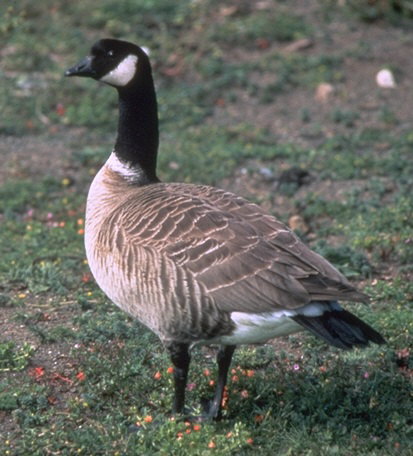
ALEUTIAN CANADA GOOSE
Branta canadensis leucopareia
DESCRIPTION
Aleutian Canada Goose (Branta canadensis leucopareia) is commonly known as the Aleutian Goose. This subspecies of Canada Goose is characterized by its smaller size compared to other Canada Geese, with a distinctive light gray body and a black head and neck. They are known for their migratory behavior, often traveling long distances between their breeding grounds in the Aleutian Islands and wintering areas along the Pacific Coast of North America.
FUN FACTS
- Aleutian Canada Geese were once considered one of the most endangered birds in North America, with populations dropping to fewer than 1,000 individuals in the 1970s
- Conservation efforts, including the removal of invasive species from their breeding islands, have led to a remarkable recovery of their population.| These geese are known for their strong migratory instincts, traveling thousands of miles between their breeding grounds in the Aleutian Islands and wintering habitats along the Pacific Coast
- They are also recognized for their distinctive honking calls, which can be heard during their migratory flights
QUICK INFO
Lifespan10-15 years in the wild
Average Weight2.5-3.5 kg
Average Length60-75 cm
Diet TypeHerbivore
Social Structurepair, they are often seen in monogamous pairs during the breeding season.
Activity PatternDiurnal
Breeding SeasonSpring (April-June)
- Habitat
- These geese inhabit coastal grasslands, wetlands, and tundra during the breeding season. They prefer areas with abundant vegetation for nesting and feeding.
- Biomes
- Tundra, Coastal
- Native Range
- The native range of the Aleutian Canada Goose includes the Aleutian Islands of Alaska, where they breed, and coastal areas of the Pacific Northwest for wintering.
- Continent
- North America
- Countries
- United States, Canada
- Diet
- Aleutian Canada Geese primarily feed on grasses, sedges, and other herbaceous plants. They are known to graze in fields and wetlands, foraging for food in both terrestrial and aquatic environments.
- Diet Type
- Herbivore
- Favorite Food
- grasses, sedges
- Social Structure
- pair, they are often seen in monogamous pairs during the breeding season.
- Activity Pattern
- Diurnal
- Group Size
- 5-30
- Territorial
- 1
 LC
LC
 LC
LC
2.5-3.5 kg
Weight
60-75 cm
Length
- Coloration
- light gray body with a black head and neck
- Sexual Dimorphism
- males and females are similar in appearance, with no significant differences.
- Lifespan
- 10-15 years in the wild
- Offspring per Birth
- 3-6
- Sexual Maturity
- 2-3 years
- Breeding Season
- Spring (April-June)
LC
Least Concern
IUCN Red List Status
- Population Status
- The population of Aleutian Canada Geese has recovered significantly since the 1970s due to conservation efforts.
- Wild Population Estimate
- approximately 30,000
- Population Trend
- Increasing
- Endangered
- 0
- Threats
- Main threats include habitat loss due to development and predation by introduced species such as foxes. Conservation efforts have focused on habitat protection and management.
- Conservation Program
- The Aleutian Canada Goose Recovery Program has been instrumental in increasing their population.
- Predators
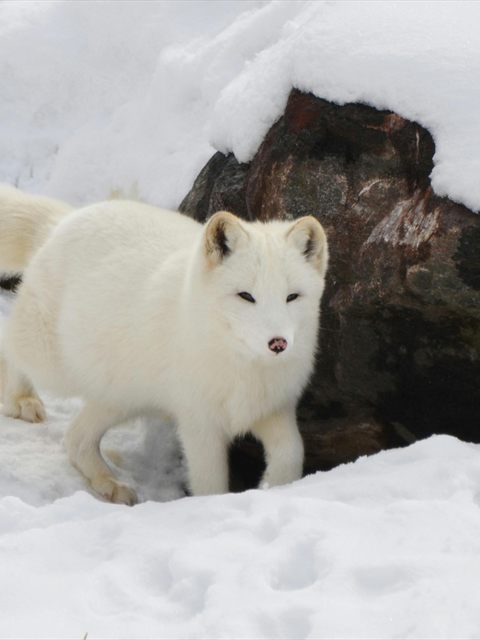
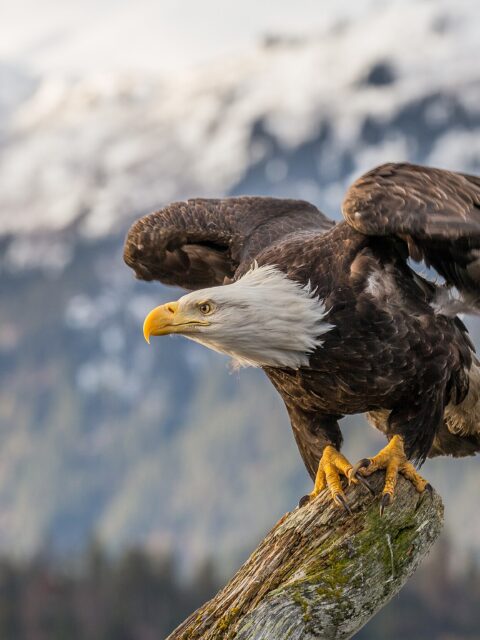
- Arctic foxes, bald eagles, and various terrestrial mammals pose threats to their nests and young.
- Defense Mechanisms
- They often use aggressive displays and vocalizations to defend their territory and nests.
- Found in Zoos
- Uncommon