


ALPINE CHAMOIS
Rupicapra rupicapra rupicapra
DESCRIPTION
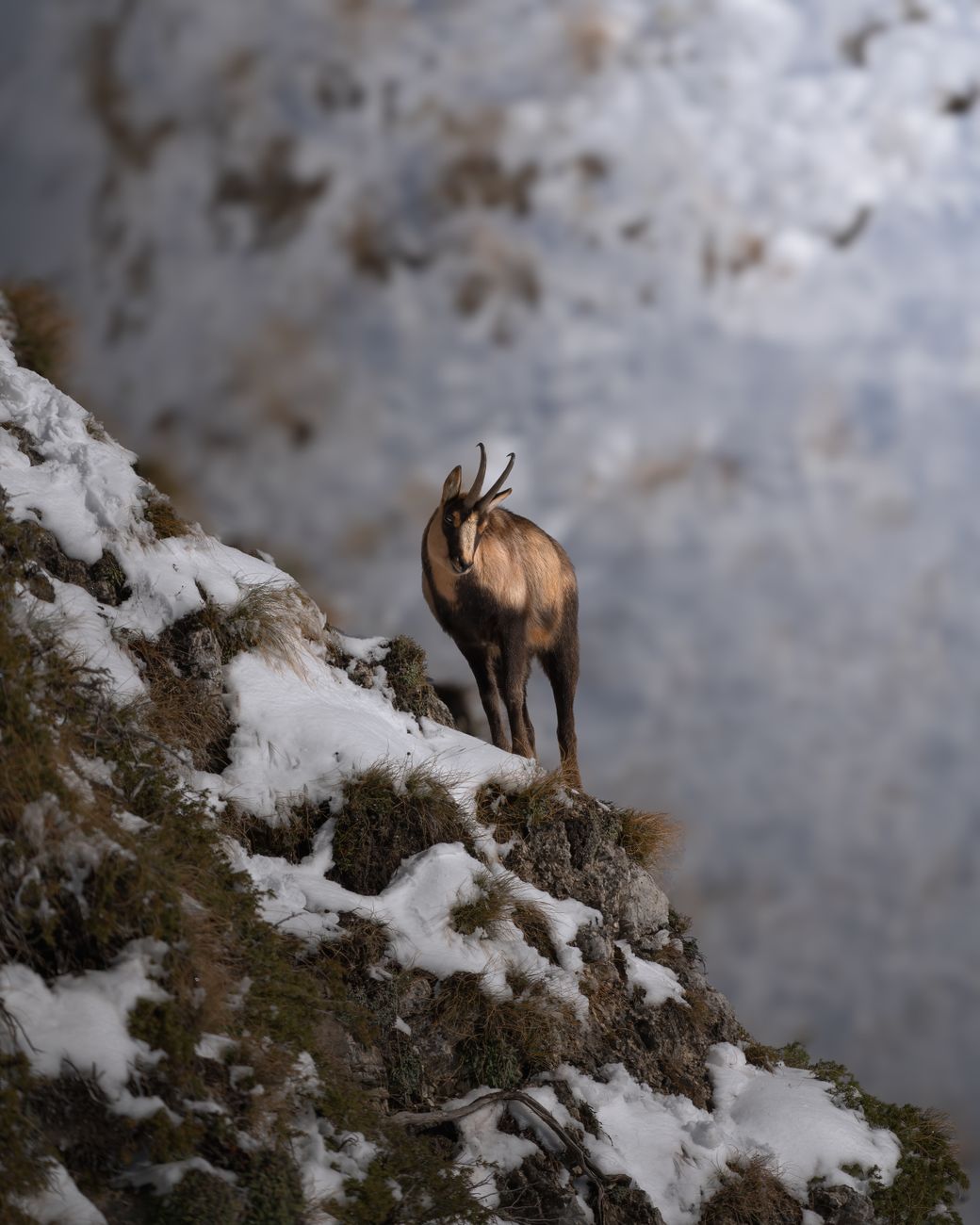
Alpine chamois (Rupicapra rupicapra rupicapra) is commonly known as chamois. This species is characterized by its slender body, short legs, and a distinctive dark stripe running down its face. They are agile climbers, adept at navigating steep, rocky terrains, and are often seen in small groups on mountain slopes.
FUN FACTS
- Alpine chamois are remarkable climbers, capable of navigating steep cliffs and rocky terrains with ease
- Their hooves are specially adapted to provide traction on slippery surfaces, allowing them to escape predators quickly
- | During the breeding season, males engage in displays of strength and agility to attract females, often clashing horns in a show of dominance
- These displays can be quite dramatic, showcasing their physical prowess and fitness
QUICK INFO
Lifespan15-20 years in the wild, up to 25 in captivity
Average Weight30-50 kg
Average Length1.2-1.5 m
Diet TypeHerbivore
Social Structuregroup — they typically live in small herds, especially females and their young.
Activity PatternDiurnal
Breeding SeasonAutumn (October-November)
- Habitat
- Alpine chamois inhabit mountainous regions, particularly in rocky and steep terrains. They prefer areas with a mix of open grasslands and rocky outcrops for shelter.
- Biomes
- Alpine, Mountain
- Native Range
- Alpine chamois are native to the European Alps and surrounding mountain ranges.
- Continent
- Europe
- Countries
- Austria, France, Germany, Italy, Switzerland
- Diet
- Alpine chamois primarily feed on grasses, herbs, and shrubs. They are selective grazers, often choosing the most nutritious plants available.
- Diet Type
- Herbivore
- Favorite Food
- grasses, herbs, shrubs
- Social Structure
- group — they typically live in small herds, especially females and their young.
- Activity Pattern
- Diurnal
- Group Size
- 5-20
- Territorial
- 0
 LC
LC
LC
LC
30-50 kg
Weight
1.2-1.5 m
Length
0.8-1.0 m at shoulder
Height (Shoulder)
- Coloration
- brown to dark brown with lighter underparts and a distinctive dark stripe on the face
- Sexual Dimorphism
- males are generally larger and have longer horns than females
- Lifespan
- 15-20 years in the wild, up to 25 in captivity
- Gestation Period
- 150 days
- Offspring per Birth
- 1
- Sexual Maturity
- 2-3 years
- Breeding Season
- Autumn (October-November)
LC
Least Concern
IUCN Red List Status
- Population Status
- The population of Alpine chamois is currently stable in many areas, although some local populations may face threats.
- Wild Population Estimate
- 100,000-200,000
- Population Trend
- Stable
- Endangered
- 0
- Threats
- Main threats include habitat loss due to human activities, poaching, and competition with livestock. Climate change also poses a risk by altering their alpine habitats.
- Predators
- wolves, lynxes, golden eagles
- Defense Mechanisms
- Alpine chamois rely on their agility and speed to escape predators, often fleeing to steep, rocky areas where they can evade capture.
- Found in Zoos
- Uncommon