


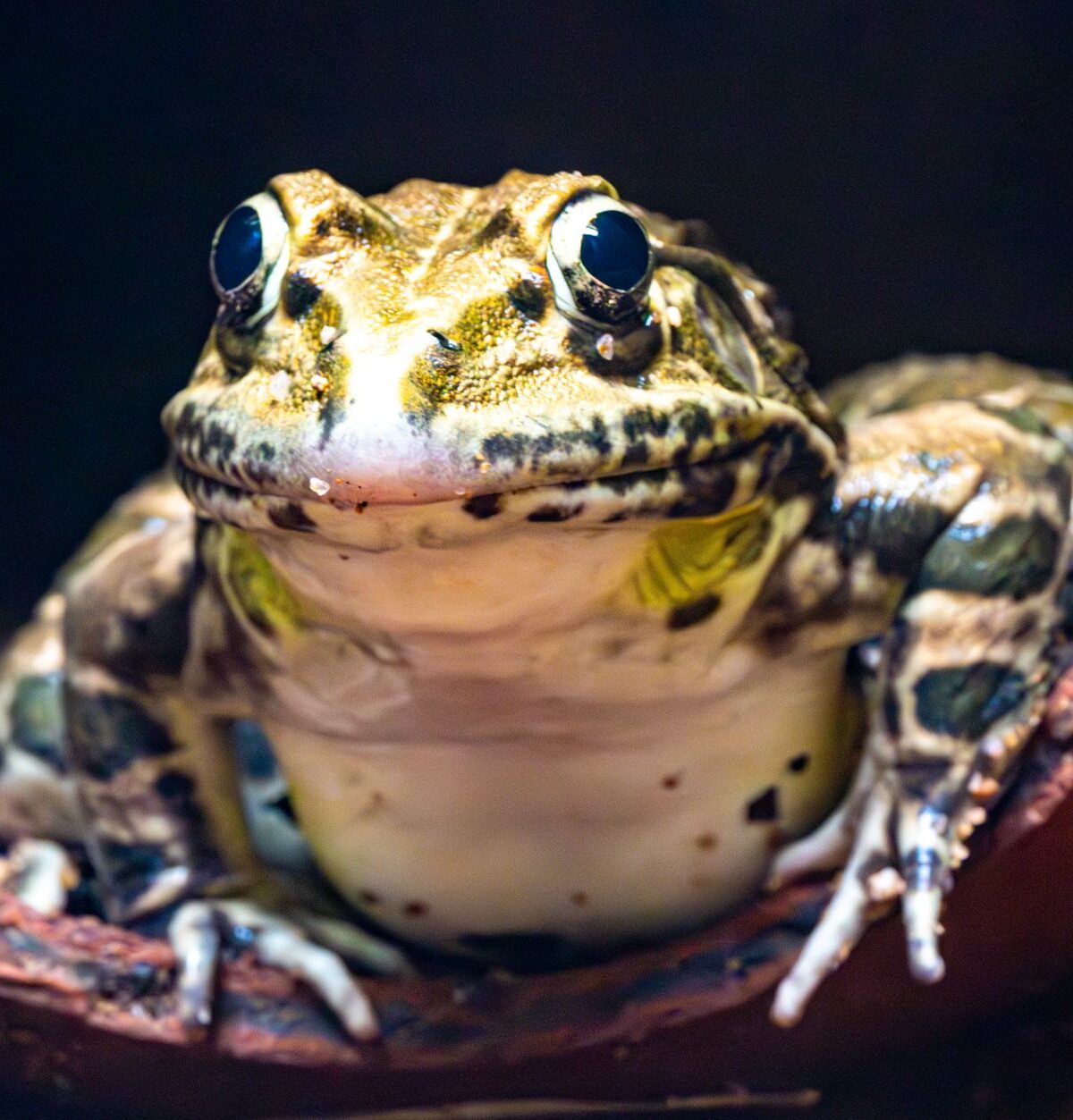
AMAZON RIVER CERATOPHRYNES
DESCRIPTION
Amazon River Ceratophrynes, commonly known as the Horned Frog, is a large, robust amphibian characterized by its distinctive horn-like projections above its eyes. This species exhibits a variety of colors, including shades of green, brown, and gray, which help it blend into its natural habitat. Behaviorally, it is known for its ambush predation strategy, often remaining motionless until prey comes within striking distance, showcasing its adaptability in the diverse ecosystems of the Amazon River basin.
FUN FACTS
- The Horned Frog is known for its impressive ability to consume prey that is almost as large as itself, showcasing its powerful jaws and aggressive feeding behavior
- Additionally, these frogs can change their coloration slightly based on their environment, which aids in their camouflage and helps them avoid predators
QUICK INFO
Lifespan5-10 years in the wild, up to 15 in captivity
Average Weight200-500 g
Average Length10-15 cm
Diet TypeCarnivore
Social Structuresolitary, typically found alone except during breeding
Activity PatternNocturnal
Breeding SeasonWet season (varies by region)
- Habitat
- Amazon River Ceratophrynes inhabits tropical rainforests and wetlands, often found near slow-moving water bodies. These environments provide ample cover and abundant food sources, crucial for their survival.
- Biomes
- Tropical Rainforest, Wetlands
- Native Range
- This species is native to the Amazon River basin, primarily found in countries like Brazil, Peru, and Colombia.
- Continent
- South America
- Countries
- Brazil, Peru, Colombia
- Diet
- It primarily feeds on insects, small mammals, and other amphibians, utilizing its powerful jaws to capture prey. This carnivorous diet is essential for its growth and reproductive success.
- Diet Type
- Carnivore
- Favorite Food
- insects, small mammals
- Social Structure
- solitary, typically found alone except during breeding
- Activity Pattern
- Nocturnal
- Group Size
- 1-2
- Territorial
- 0
 VU
VU
 LC
LC
200-500 g
Weight
10-15 cm
Length
- Coloration
- varied shades of green, brown, and gray with patterns for camouflage
- Sexual Dimorphism
- males are generally smaller than females
- Lifespan
- 5-10 years in the wild, up to 15 in captivity
- Offspring per Birth
- 100-200 eggs
- Sexual Maturity
- 1-2 years
- Breeding Season
- Wet season (varies by region)
LC
Least Concern
IUCN Red List Status
- Population Status
- The population is currently stable, but habitat destruction poses a potential threat.
- Wild Population Estimate
- unknown
- Population Trend
- Stable
- Endangered
- 0
- Threats
- Main threats include habitat loss due to deforestation and pollution in the Amazon River basin. These factors can significantly impact their populations and breeding success.
- Predators
- Birds of prey, snakes, and larger amphibians are known to prey on Amazon River Ceratophrynes.
- Defense Mechanisms
- They rely on camouflage to avoid detection by predators, and when threatened, they can inflate their bodies to appear larger.
- Found in Zoos
- Uncommon