


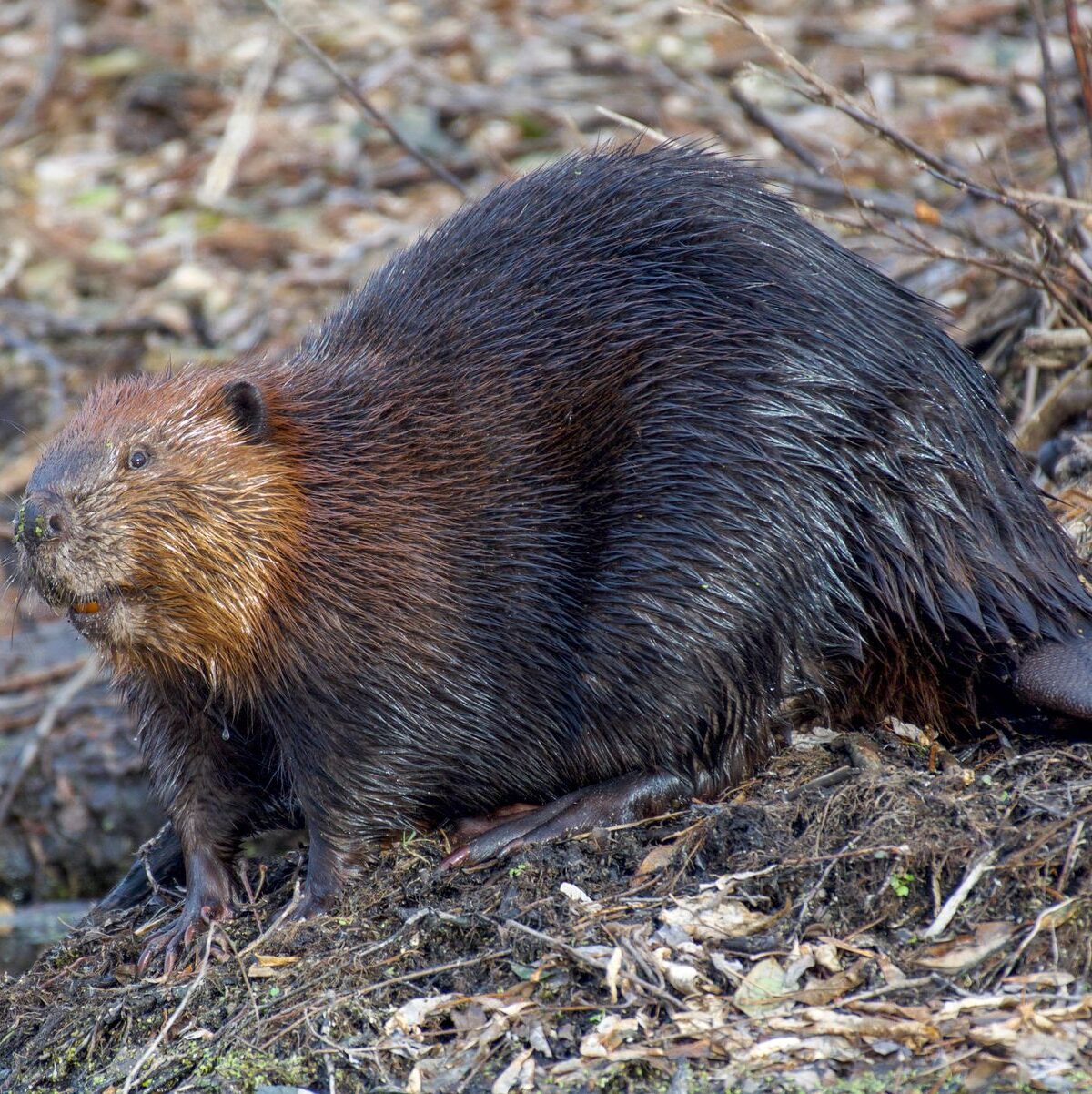
AMERICAN BEAVER
Castor canadensis
DESCRIPTION
American Beaver (Castor canadensis) is commonly known as the North American Beaver. This large, semi-aquatic rodent is characterized by its robust body, webbed feet, and a distinctive flat, paddle-shaped tail. They are known for their impressive dam-building skills, which create wetlands that provide habitat for various species and help in water management.
FUN FACTS
- Beavers are known as nature's engineers due to their ability to alter landscapes by building dams that create ponds and wetlands
- These structures not only provide habitat for various species but also help in flood control and water purification
- | The American Beaver is the second-largest rodent in the world, after the capybara
- They can hold their breath underwater for up to 15 minutes while they work on their dams or evade predators
QUICK INFO
Lifespan10-12 years in the wild, up to 20 years in captivi
Average Weight16-30 kg
Average Length0.8-1.2 m
Diet TypeHerbivore
Social StructureBeavers are generally social animals that live in family groups consisting of a breeding pair and their offspring. They are known to be territorial, especially during the breeding season.
Activity PatternNocturnal
Breeding SeasonWinter (December-February)
- Habitat
- Beavers are typically found in freshwater habitats such as rivers, streams, ponds, and lakes. They create and maintain wetlands through their dam-building activities, which also provide essential ecosystems for other wildlife.
- Biomes
- Temperate Forest, Freshwater
- Native Range
- American Beavers are native to North America, ranging from Canada to the northern parts of Mexico.
- Continent
- North America
- Countries
- United States, Canada, Mexico
- Diet
- American Beavers primarily consume the bark, leaves, and twigs of trees and shrubs, as well as aquatic plants. They are known to favor certain species like aspen, willow, and birch.
- Diet Type
- Herbivore
- Favorite Food
- Aspen, willow, birch
- Social Structure
- Beavers are generally social animals that live in family groups consisting of a breeding pair and their offspring. They are known to be territorial, especially during the breeding season.
- Activity Pattern
- Nocturnal
- Group Size
- 3-8
- Territorial
- 1
 LC
LC
 LC
LC
16-30 kg
Weight
0.8-1.2 m
Length
- Coloration
- Brown fur with a dense undercoat, lighter underbelly
- Sexual Dimorphism
- Males and females are similar in size and appearance.
- Lifespan
- 10-12 years in the wild, up to 20 years in captivi
- Gestation Period
- 105-107 days
- Offspring per Birth
- 1-6
- Sexual Maturity
- 2-3 years
- Breeding Season
- Winter (December-February)
LC
Least Concern
IUCN Red List Status
- Population Status
- The American Beaver population is currently stable and widespread across its native range.
- Wild Population Estimate
- 6 million
- Population Trend
- Stable
- Endangered
- 0
- Threats
- Main threats to American Beavers include habitat destruction due to urban development and pollution. Additionally, they can be affected by hunting and trapping in some areas.
- Predators
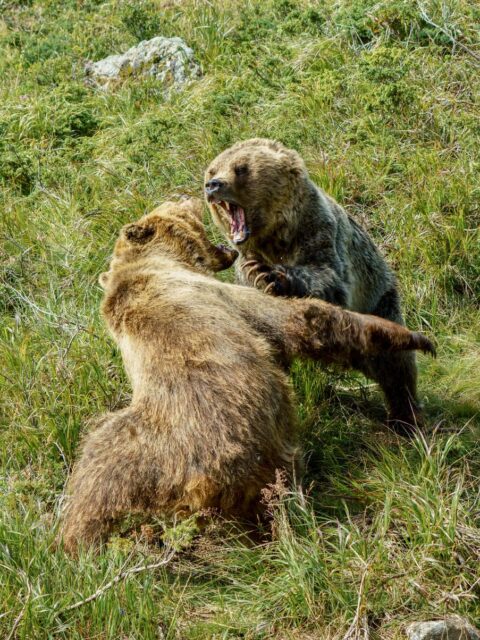
- Coyotes, wolves, bears, and large birds of prey such as eagles.
- Defense Mechanisms
- Beavers use their strong teeth to gnaw on trees and can also use their tails to slap the water as a warning signal to alert other beavers of danger.
- Compatible Animals
- None
- Found in Zoos
- Common