


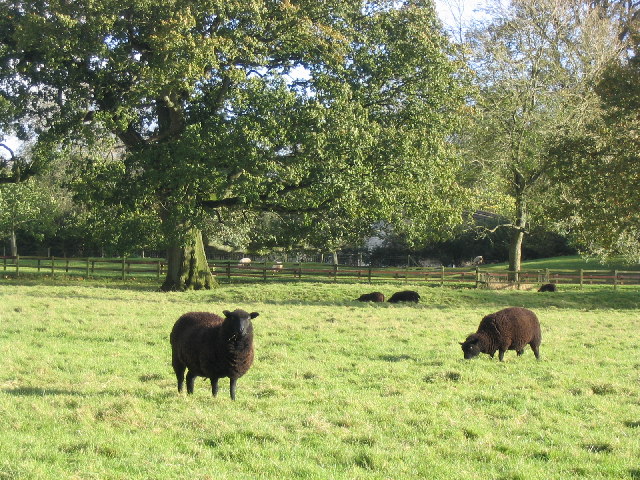
AMERICAN BLACK WELSH MOUNTAIN SHEEP
DESCRIPTION
Also called Welsh Mountain Sheep, American Black Welsh Mountain Sheep is a breed known for its distinctive black fleece and impressive stature. These sheep are hardy and well-adapted to various climates, exhibiting a calm demeanor and social behavior. They are primarily raised for their meat and wool, contributing to both agricultural and ecological systems.
FUN FACTS
- American Black Welsh Mountain Sheep are known for their high-quality wool, which is prized for its softness and durability
- This breed is also recognized for its ability to thrive in harsh conditions, making them a favorite among farmers in rugged terrains.| These sheep are not just valued for their wool; they are also raised for their meat, which is considered lean and flavorful
- Their unique black coloration makes them a striking addition to any farm or pasture
QUICK INFO
Lifespan10-12 years in the wild, up to 15 years in captivi
Average Weight45-90 kg
Average Length1.5-1.8 m
Diet TypeHerbivore
Social Structuregroup — they typically live in flocks, which provide safety in numbers.
Activity PatternDiurnal
Breeding SeasonFall (September-November)
- Habitat
- They thrive in hilly and mountainous regions, often found in pastures and open fields. Their adaptability allows them to live in diverse environments, from temperate to cooler climates.
- Biomes
- Temperate Forest, Grassland, Mountain
- Native Range
- Originally from Wales, they have been introduced to various regions in the United States.
- Continent
- North America
- Countries
- United States
- Diet
- American Black Welsh Mountain Sheep are herbivores, primarily grazing on grasses, herbs, and shrubs. They are known to adapt their diet based on the availability of forage in their habitat.
- Diet Type
- Herbivore
- Favorite Food
- grasses, herbs, shrubs
- Social Structure
- group — they typically live in flocks, which provide safety in numbers.
- Activity Pattern
- Diurnal
- Group Size
- 5-30
- Territorial
- 0
 LC
LC
45-90 kg
Weight
1.5-1.8 m
Length
0.9-1.1 m at shoulder
Height (Shoulder)
- Coloration
- black fleece with a white face and legs
- Sexual Dimorphism
- Males are generally larger and more robust than females.
- Lifespan
- 10-12 years in the wild, up to 15 years in captivi
- Gestation Period
- 150 days
- Offspring per Birth
- 1-2
- Sexual Maturity
- 6-12 months
- Breeding Season
- Fall (September-November)
LC
Least Concern
IUCN Red List Status
- Population Status
- The population is stable, with a healthy number of individuals in both domestic and wild settings.
- Wild Population Estimate
- Not applicable as they are primarily domesticated.
- Population Trend
- Stable
- Endangered
- 0
- Threats
- Main threats include habitat loss and competition with other livestock. Disease can also pose a risk to their populations.
- Predators
- Coyotes, mountain lions, and domestic dogs are known predators.
- Defense Mechanisms
- They rely on flocking behavior for safety and can also use their agility to escape predators.
- Compatible Animals
- goats, cattle
- Found in Zoos
- Uncommon