


AMERICAN COMB DUCK
Sarkidiornis sylvicola
DESCRIPTION
The American Comb Duck, also known as Sarkidiornis sylvicola, is a large, distinctive duck characterized by its unique fleshy crest on the forehead, which resembles a comb. Males are particularly striking with their iridescent green and black plumage, while females are more subdued in color, featuring brown and gray tones. This species is known for its strong, agile flight and often forages in wetlands, where it can be seen dabbling or grazing on aquatic vegetation.
FUN FACTS
- The American Comb Duck is known for its unique comb-like structure on its head, which is more pronounced in males and can be used in displays during courtship
- This species is also quite adaptable, often thriving in various wetland environments, which allows it to occupy a wide range of habitats across its native range.| Interestingly, the American Comb Duck is one of the few duck species that exhibit sexual dimorphism in such a pronounced way, with males showcasing vibrant colors while females are more muted, aiding in their camouflage during nesting
QUICK INFO
Lifespan10-15 years in the wild.
Average Weight1.5-2.5 kg
Average Length60-70 cm
Diet TypeHerbivore
Social StructureThey are often found in pairs or small groups, especially during the breeding season.
Activity PatternDiurnal
Breeding SeasonSpring to early summer
- Habitat
- American Comb Ducks inhabit freshwater wetlands, marshes, and flooded grasslands. They prefer areas with abundant vegetation for foraging and nesting.
- Biomes
- Wetlands, Grasslands
- Native Range
- This species is native to parts of Central and South America, particularly in regions with suitable wetland habitats.
- Continent
- North America, South America
- Countries
- United States, Mexico, Brazil, Argentina, Colombia
- Diet
- The American Comb Duck primarily feeds on a variety of plant materials, including seeds, leaves, and roots of aquatic plants. It may also consume small invertebrates occasionally.
- Diet Type
- Herbivore
- Favorite Food
- aquatic plants, seeds
- Social Structure
- They are often found in pairs or small groups, especially during the breeding season.
- Activity Pattern
- Diurnal
- Group Size
- 2-10
- Territorial
- 0

 LC
LC
 VU
VU
 LC
LC
1.5-2.5 kg
Weight
60-70 cm
Length
- Coloration
- Males have glossy green and black plumage, while females are brown with lighter underparts.
- Sexual Dimorphism
- Males are more colorful and larger than females.
- Lifespan
- 10-15 years in the wild.
- Offspring per Birth
- 6-12
- Sexual Maturity
- 1-2 years
- Breeding Season
- Spring to early summer
LC
Least Concern
IUCN Red List Status
- Population Status
- The population of American Comb Ducks is currently stable, but habitat loss poses a potential threat.
- Wild Population Estimate
- Unknown
- Population Trend
- Stable
- Endangered
- 0
- Threats
- Main threats include habitat destruction due to agriculture and urban development. Pollution in wetland areas also poses a risk to their food sources.
- Predators
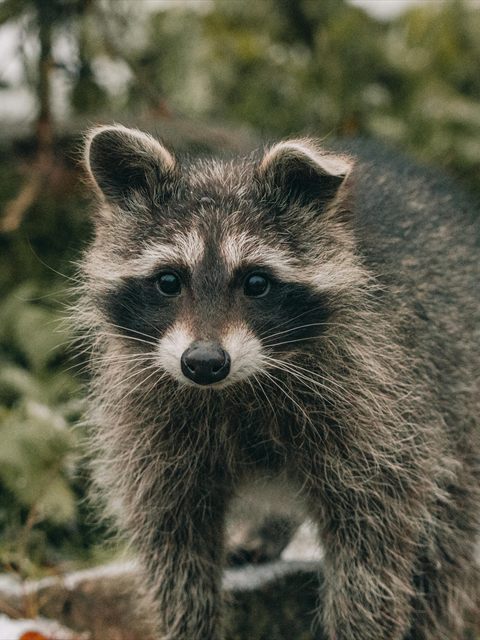
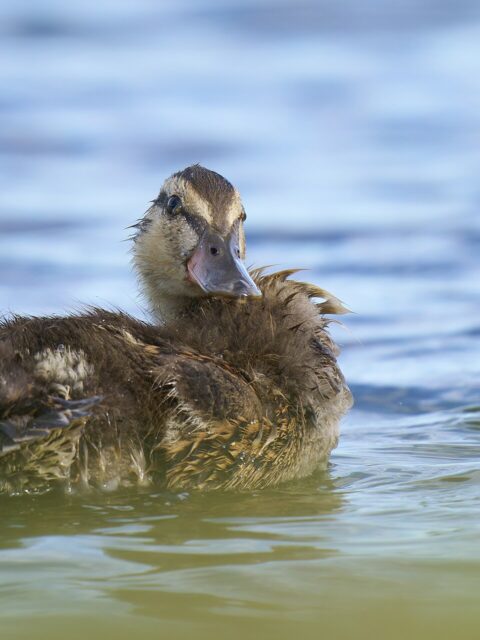
- Foxes, raccoons, birds of prey, and large fish may prey on eggs and ducklings.
- Defense Mechanisms
- They rely on their ability to fly quickly and their camouflage to evade predators.
- Found in Zoos
- Uncommon