


AMERICAN CROW
Corvus brachyrhynchos
DESCRIPTION
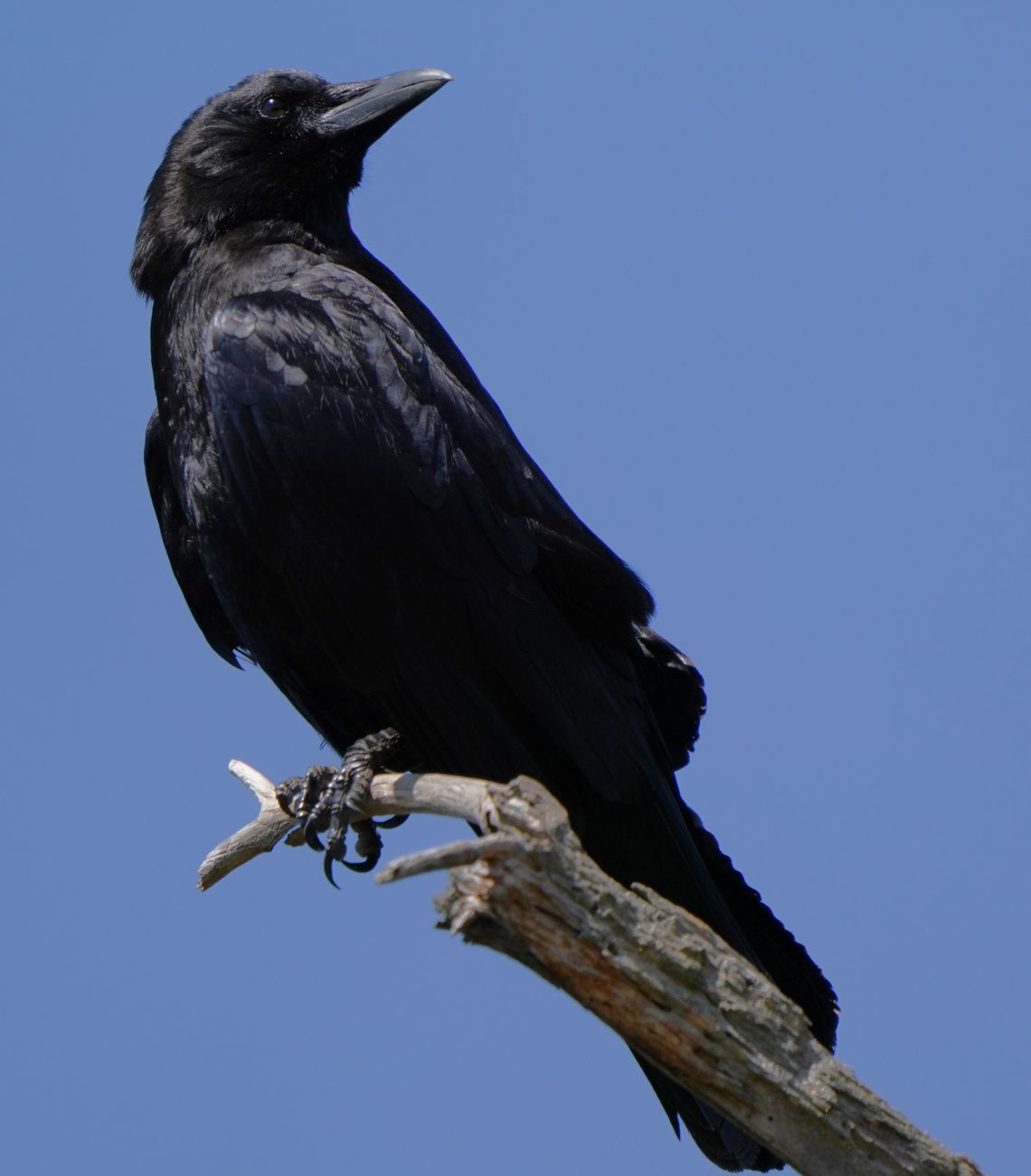
American Crow (Corvus brachyrhynchos) is a highly adaptable bird known for its all-black plumage and distinctive cawing call. These birds exhibit intelligent behavior, often using tools and solving complex problems to access food. They are social creatures, frequently seen in groups, and play a significant role in their ecosystems as scavengers and seed dispersers.
FUN FACTS
- American Crows are known for their remarkable intelligence, capable of recognizing human faces and remembering them for years
- They can also use tools, such as sticks, to extract insects from tree bark | These birds have a complex social structure and often engage in playful behavior, such as sliding down snow-covered roofs or playing games with each other
QUICK INFO
Lifespan7-8 years in the wild, up to 14 years in captivity
Average Weight300-600 g
Average Length40-50 cm
Diet TypeOmnivore
Social Structuregroup — they often form large flocks, especially during winter.
Activity PatternDiurnal
Breeding SeasonSpring (March-May)
- Habitat
- American Crows thrive in a variety of habitats, including forests, fields, and urban areas. They are often found near water sources and adapt well to human environments.
- Biomes
- Temperate Forest, Grassland, Urban
- Native Range
- The native range of the American Crow extends across North America, from southern Canada to northern Mexico.
- Continent
- North America
- Countries
- United States, Canada, Mexico
- Diet
- American Crows are omnivorous and have a varied diet that includes insects, fruits, seeds, and small animals. They are known to scavenge for food scraps in urban areas.
- Diet Type
- Omnivore
- Favorite Food
- insects, fruits, seeds
- Social Structure
- group — they often form large flocks, especially during winter.
- Activity Pattern
- Diurnal
- Group Size
- 5-50
- Territorial
- 1
 CR
CR
 LC
LC
 LC
LC
300-600 g
Weight
40-50 cm
Length
- Coloration
- entirely black with a glossy sheen
- Lifespan
- 7-8 years in the wild, up to 14 years in captivity
- Offspring per Birth
- 3-7
- Sexual Maturity
- 1-2 years
- Breeding Season
- Spring (March-May)
LC
Least Concern
IUCN Red List Status
- Population Status
- American Crow populations are generally stable and widespread across their range.
- Wild Population Estimate
- millions
- Population Trend
- Stable
- Endangered
- 0
- Threats
- Main threats include habitat loss and poisoning from agricultural chemicals. However, they are highly adaptable and can thrive in urban environments.
- Predators
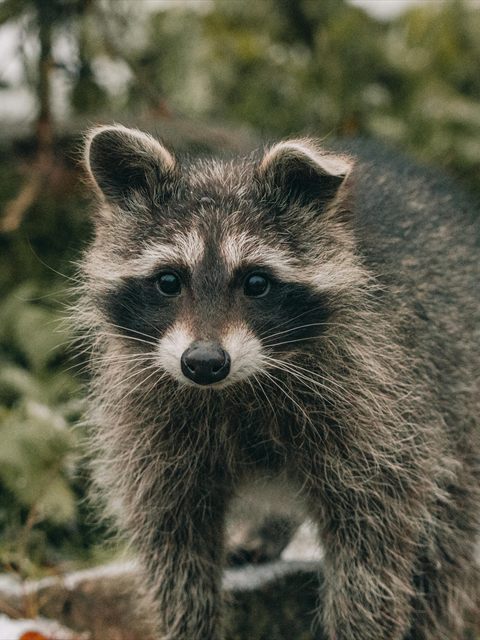
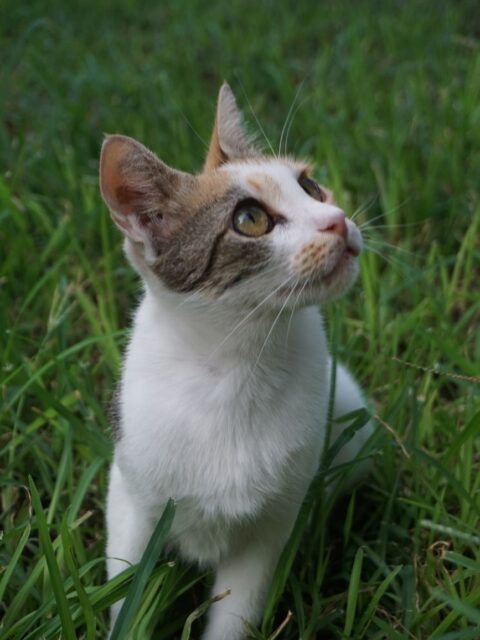
- hawks, owls, raccoons, domestic cats
- Defense Mechanisms
- American Crows use mobbing behavior to defend against predators, often calling in groups to harass and drive away threats.
- Compatible Animals
- none
- Found in Zoos
- Uncommon