


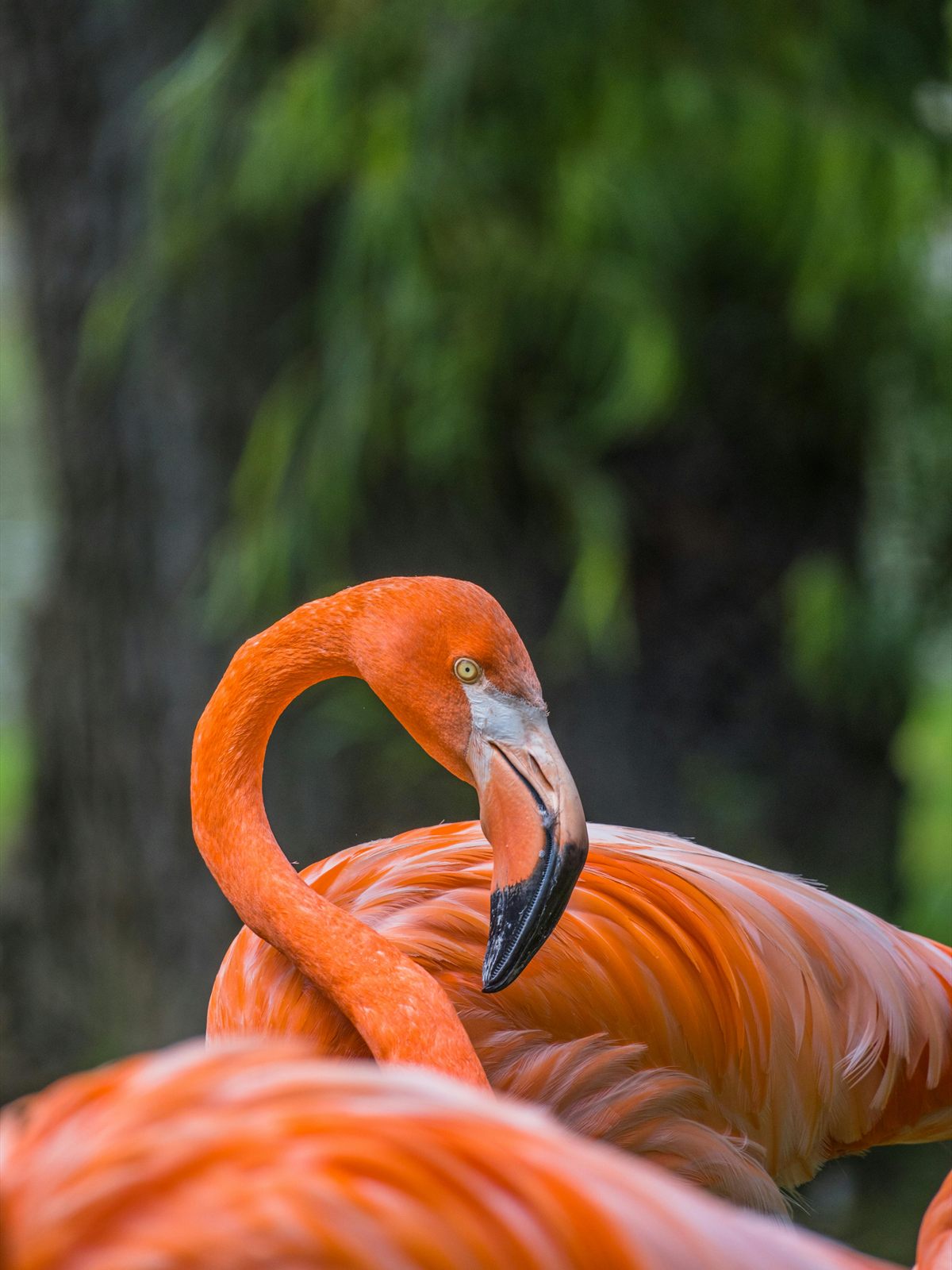
AMERICAN FLAMINGO
Phoenicopterus ruber
DESCRIPTION
Also called Caribbean Flamingo and Greater Flamingo, the American Flamingo is a large wading bird known for its striking pink plumage and long legs. These birds are highly social and often found in large colonies, where they engage in synchronized displays and vocalizations. Their unique feeding behavior involves filtering food from the water using their specialized beaks, which are adapted to their diet of algae and small crustaceans.
FUN FACTS
- American Flamingos are born with gray feathers, which gradually turn pink as they mature due to their diet rich in carotenoids
- They are also known for their unique feeding technique, where they submerge their heads upside down in the water to filter food, a behavior that is quite fascinating to observe.|In addition to their striking appearance, American Flamingos are known for their elaborate courtship rituals, which include synchronized dancing and vocal displays
- These behaviors not only strengthen pair bonds but also enhance the social structure within their colonies
QUICK INFO
Lifespan20-30 years in the wild, up to 50 in captivity
Average Weight2.5-4 kg
Average Length1.2-1.5 m
Diet TypeOmnivore
Social Structuregroup — they are highly social birds that live in large colonies.
Activity PatternDiurnal
Breeding SeasonSpring to early summer
- Habitat
- American Flamingos inhabit shallow coastal lagoons, mudflats, and estuaries. They prefer warm, tropical environments with abundant food sources.
- Biomes
- Wetlands, Coastal
- Native Range
- The native range of the American Flamingo includes the Caribbean, parts of South America, and the Galápagos Islands.
- Continent
- North America, South America
- Countries
- Bahamas, Cuba, Venezuela, Colombia, Ecuador
- Diet
- American Flamingos primarily feed on algae, brine flies, and small crustaceans, which contribute to their pink coloration. They use their unique beaks to filter food from the water.
- Diet Type
- Omnivore
- Favorite Food
- algae, brine flies, small crustaceans
- Social Structure
- group — they are highly social birds that live in large colonies.
- Activity Pattern
- Diurnal
- Group Size
- 20-1000
- Territorial
- 0
 LC
LC
 LC
LC

2.5-4 kg
Weight
1.2-1.5 m
Length
- Coloration
- pink to reddish with darker wing feathers
- Sexual Dimorphism
- males and females are similar in appearance, but males are generally larger.
- Lifespan
- 20-30 years in the wild, up to 50 in captivity
- Offspring per Birth
- 1
- Sexual Maturity
- 3-5 years
- Breeding Season
- Spring to early summer
LC
Least Concern
IUCN Red List Status
- Population Status
- The population of American Flamingos is currently stable, with some areas showing increasing numbers.
- Wild Population Estimate
- 200,000-300,000
- Population Trend
- Stable
- Endangered
- 0
- Threats
- Main threats include habitat loss due to coastal development and pollution. Climate change also poses a risk by affecting their breeding grounds and food availability.
- Predators
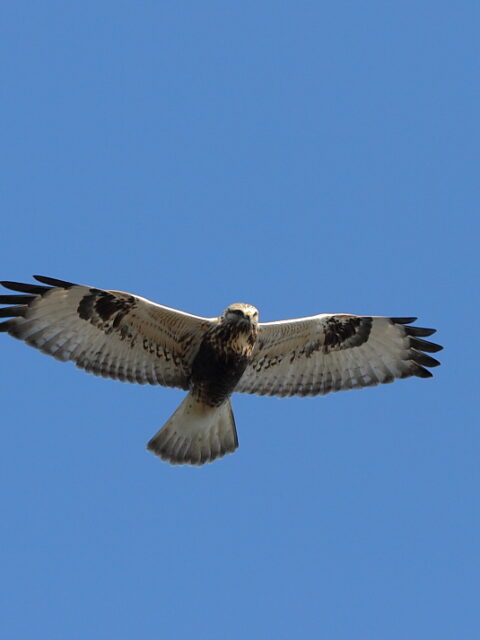
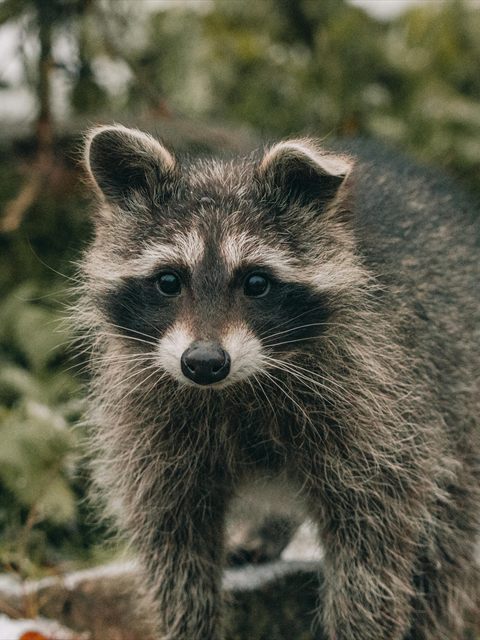
- Eggs and chicks are vulnerable to predation by birds of prey, raccoons, and other mammals.
- Defense Mechanisms
- American Flamingos rely on their social structure for protection, often nesting in large colonies to deter predators.
- Compatible Animals
- other wading birds, ducks
- Found in Zoos
- Common