


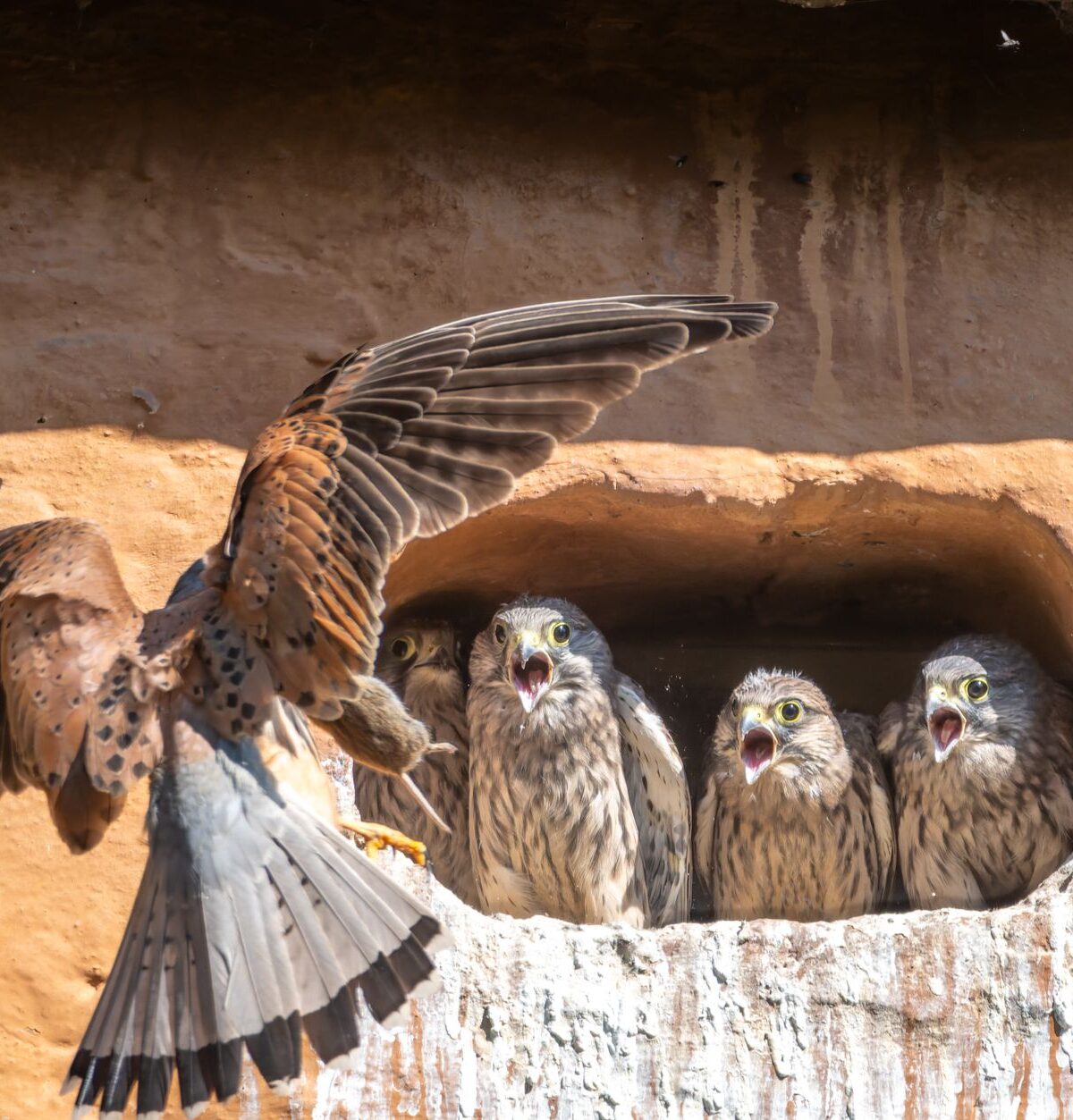
AMERICAN KESTREL/SPARROWHAWK
Falco sparverius
DESCRIPTION
American kestrel/sparrowhawk (Falco sparverius) is a small falcon known for its striking plumage and distinctive hunting behavior. Males typically exhibit a slate-blue back and rufous underparts, while females are more brown and streaked. This species is highly adaptable, often seen perched on telephone wires or hovering in the air as it searches for prey.
FUN FACTS
- American kestrels are the smallest falcons in North America, yet they are fierce hunters, capable of taking down prey much larger than themselves
- They have a unique hunting technique called 'kiting,' where they hover in the air, facing into the wind, to spot potential prey below
- | These birds are also known for their striking sexual dimorphism; males and females not only differ in size but also in coloration, with males showcasing vibrant blue-gray feathers while females are more muted in color
- This difference helps them adapt to their respective roles in hunting and nesting
QUICK INFO
Lifespan5-10 years in the wild, up to 15 years in captivit
Average Weight80-150 g
Average Length22-27 cm
Diet TypeCarnivore
Social Structuresolitary, typically seen alone or in pairs during the breeding season
Activity PatternDiurnal
Breeding SeasonSpring (March-June)
- Habitat
- American kestrels inhabit open areas such as fields, grasslands, and urban environments. They prefer habitats with perches for hunting and nesting sites.
- Biomes
- Grassland, Urban
- Native Range
- The American kestrel is found throughout North America, from Canada to the southern United States and into Central America.
- Continent
- North America
- Countries
- United States, Canada, Mexico
- Diet
- American kestrels primarily feed on insects, small mammals, and birds. They are known for their ability to hunt in a variety of environments, using their keen eyesight to spot prey from a distance.
- Diet Type
- Carnivore
- Favorite Food
- insects, small mammals, birds
- Social Structure
- solitary, typically seen alone or in pairs during the breeding season
- Activity Pattern
- Diurnal
- Group Size
- 1-2
- Territorial
- 1
 LC
LC
 LC
LC
80-150 g
Weight
22-27 cm
Length
- Coloration
- Males have a blue-gray back with rufous wings and tail, while females are more brown and streaked.
- Sexual Dimorphism
- Males are generally smaller and more brightly colored than females.
- Lifespan
- 5-10 years in the wild, up to 15 years in captivit
- Offspring per Birth
- 3-7
- Sexual Maturity
- 1 year
- Breeding Season
- Spring (March-June)
LC
Least Concern
IUCN Red List Status
- Population Status
- The population of American kestrels is currently stable, though some regional declines have been noted.
- Wild Population Estimate
- 1,000,000-2,000,000
- Population Trend
- Stable
- Endangered
- 0
- Threats
- Main threats include habitat loss due to urbanization and agricultural practices, as well as pesticide use that affects their prey. Climate change may also impact their habitats and food sources.
- Predators
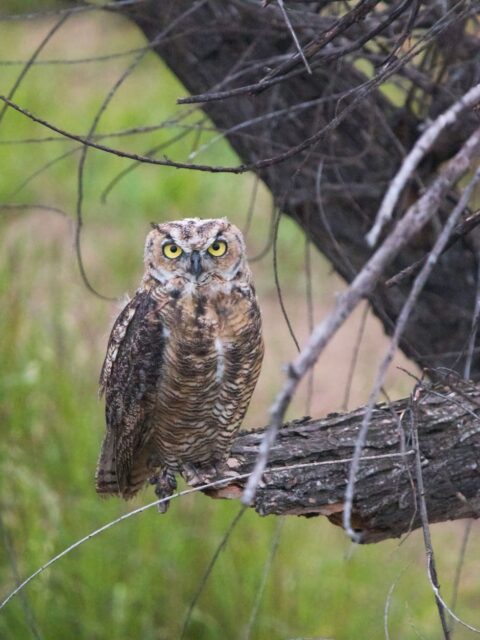
- Great horned owls, red-tailed hawks, and larger birds of prey can pose threats to American kestrels, especially to their young.
- Defense Mechanisms
- American kestrels use their agility and speed to evade predators, often performing aerial maneuvers to escape.
- Found in Zoos
- Uncommon