


AMERICAN MINK
Neovison vison
DESCRIPTION
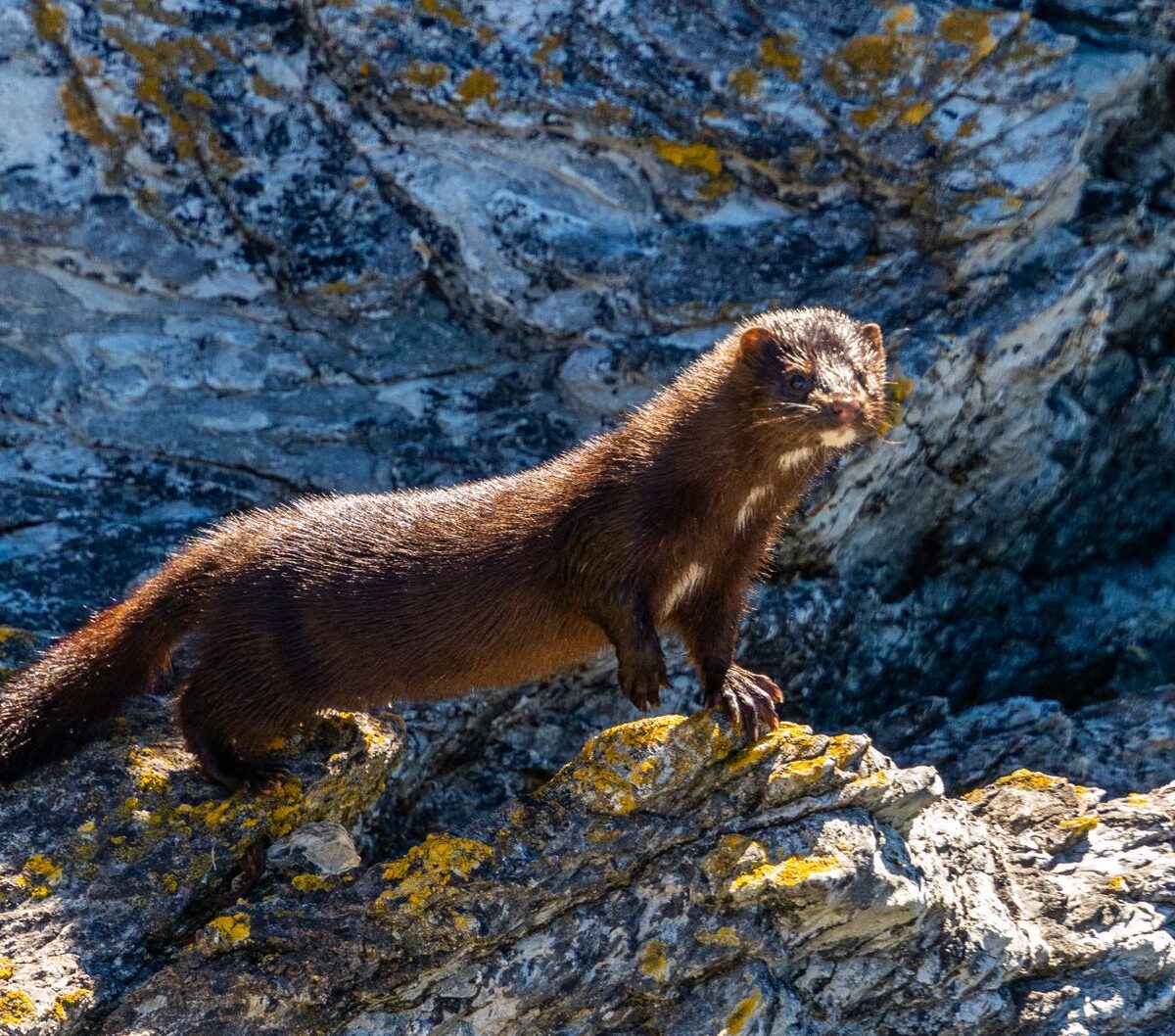
American Mink (Neovison vison) is commonly known as North American Mink and is a small, semi-aquatic mammal characterized by its slender body, short legs, and long, bushy tail. They have a rich, dark brown fur that can sometimes appear almost black, with a lighter underbelly. These agile creatures are known for their playful behavior and are excellent swimmers, often found near water bodies where they hunt for food.
FUN FACTS
- American Minks are known for their playful behavior, often seen sliding down mud or snowbanks, which is thought to be a form of play rather than a necessity for survival
- They have a unique ability to close their ears and nostrils while underwater, allowing them to hunt for fish and other aquatic prey with ease.|Despite their small size, American Minks are fierce predators and can take down prey much larger than themselves, showcasing their strength and hunting skills
QUICK INFO
Lifespan3-5 years in the wild, up to 10 years in captivity
Average Weight0.7-1.5 kg
Average Length40-55 cm
Diet TypeCarnivore
Social Structuresolitary, typically live alone except during mating season
Activity PatternNocturnal
Breeding SeasonLate winter to early spring (February-April)
- Habitat
- American Minks inhabit a variety of environments, including wetlands, rivers, and coastal areas. They prefer areas with dense vegetation for cover and proximity to water sources.
- Biomes
- Wetlands, Temperate Forests, Coastal
- Native Range
- The native range of the American Mink extends across North America, from southern Canada to the northern parts of Mexico.
- Continent
- North America
- Countries
- United States, Canada, Mexico
- Diet
- American Minks primarily feed on small mammals, birds, fish, and amphibians, showcasing their adaptability in various environments. They are opportunistic hunters and will also scavenge when necessary.
- Diet Type
- Carnivore
- Favorite Food
- fish, small mammals
- Social Structure
- solitary, typically live alone except during mating season
- Activity Pattern
- Nocturnal
- Group Size
- 1
- Territorial
- 1
 LC
LC

0.7-1.5 kg
Weight
40-55 cm
Length
- Coloration
- dark brown fur with a lighter underbelly
- Sexual Dimorphism
- females are generally smaller than males
- Lifespan
- 3-5 years in the wild, up to 10 years in captivity
- Gestation Period
- 51-53 days
- Offspring per Birth
- 2-6
- Sexual Maturity
- 10-12 months
- Breeding Season
- Late winter to early spring (February-April)
LC
Least Concern
IUCN Red List Status
- Population Status
- The population of American Minks is generally stable, although local declines may occur due to habitat loss.
- Wild Population Estimate
- Unknown
- Population Trend
- Stable
- Endangered
- 0
- Threats
- Main threats to American Minks include habitat destruction, pollution, and competition with invasive species. They are also hunted for their fur, which can impact local populations.
- Predators
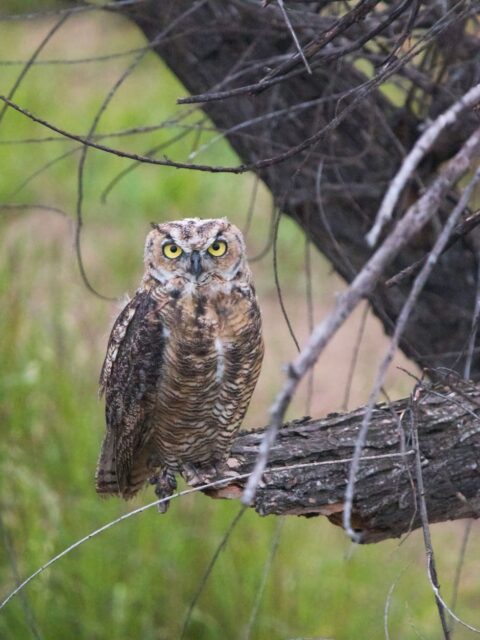
- Great Horned Owls, Coyotes, Foxes, and larger birds of prey are known to prey on American Minks.
- Defense Mechanisms
- American Minks use their agility and swimming ability to escape predators, often diving into water to evade capture.
- Found in Zoos
- Common