


AMERICAN PIKA
Ochotona princeps
DESCRIPTION
American Pika (Ochotona princeps) is a small, herbivorous mammal resembling a rabbit but with shorter limbs and ears. They have a rounded body, a short tail, and are typically grayish-brown in color, which helps them blend into their rocky alpine habitats. Known for their distinctive high-pitched calls, American Pikas are social animals that often communicate with one another through vocalizations, especially when alarmed.
FUN FACTS
- American Pikas are known for their unique behavior of creating haypiles, which they store for winter
- These haypiles can consist of a variety of plant materials and are crucial for their survival during the colder months
- | Despite their small size, American Pikas are incredibly resilient and can survive in harsh alpine environments
- They have adapted to living in areas with extreme temperature fluctuations, making them fascinating subjects for studies on climate adaptation
QUICK INFO
Lifespan5-7 years in the wild
Average Weight120-400 g
Average Length15-25 cm
Diet TypeHerbivore
Social Structuresolitary or in small family groups, often seen in pairs during the breeding season
Activity PatternDiurnal
Breeding SeasonSpring to early summer
- Habitat
- American Pikas inhabit rocky, mountainous areas, often found in talus slopes and alpine meadows. They prefer cooler climates and are typically located at high elevations.
- Biomes
- Alpine, Mountain
- Native Range
- The native range of the American Pika extends across western North America, from the Sierra Nevada in California to the Rocky Mountains in Canada.
- Continent
- North America
- Countries
- United States, Canada
- Diet
- American Pikas primarily feed on a variety of vegetation, including grasses, herbs, and shrubs. They are known for their behavior of collecting and storing food in the form of haypiles for winter consumption.
- Diet Type
- Herbivore
- Favorite Food
- grasses, herbs, shrubs
- Social Structure
- solitary or in small family groups, often seen in pairs during the breeding season
- Activity Pattern
- Diurnal
- Group Size
- 1-5
- Territorial
- 1
 LC
LC
 LC
LC
 LC
LC
 LC
LC
120-400 g
Weight
15-25 cm
Length
- Coloration
- grayish-brown with lighter underparts
- Lifespan
- 5-7 years in the wild
- Gestation Period
- 30 days
- Offspring per Birth
- 2-6
- Sexual Maturity
- 1 year
- Breeding Season
- Spring to early summer
NT
Near Threatened
IUCN Red List Status
- Population Status
- The population of American Pikas is generally stable, but some local populations are declining due to climate change.
- Wild Population Estimate
- unknown
- Population Trend
- Decreasing
- Endangered
- 0
- Threats
- Main threats to American Pikas include climate change, which affects their cold habitat, and habitat loss due to human activities. Increased temperatures can lead to reduced snow cover, which is critical for their survival.
- Predators
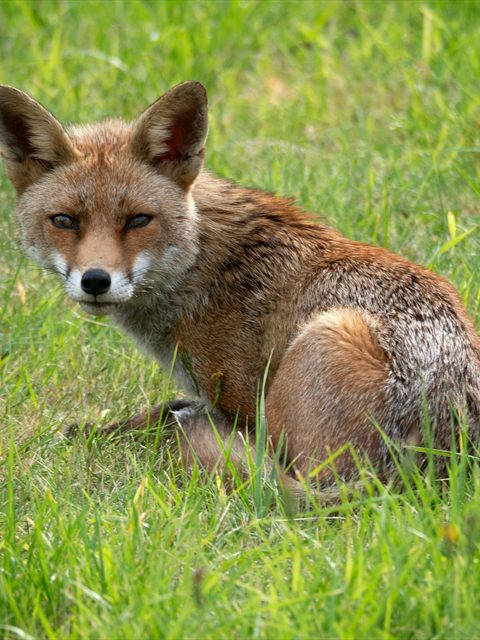
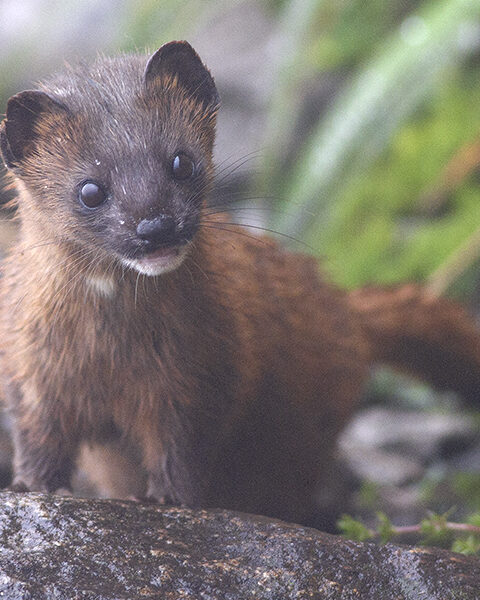
- Red Fox, Golden Eagle, weasels, and domestic cats
- Defense Mechanisms
- American Pikas use their vocalizations to warn others of danger and rely on their agility to escape predators by quickly darting into rocky crevices.
- Found in Zoos
- Uncommon