


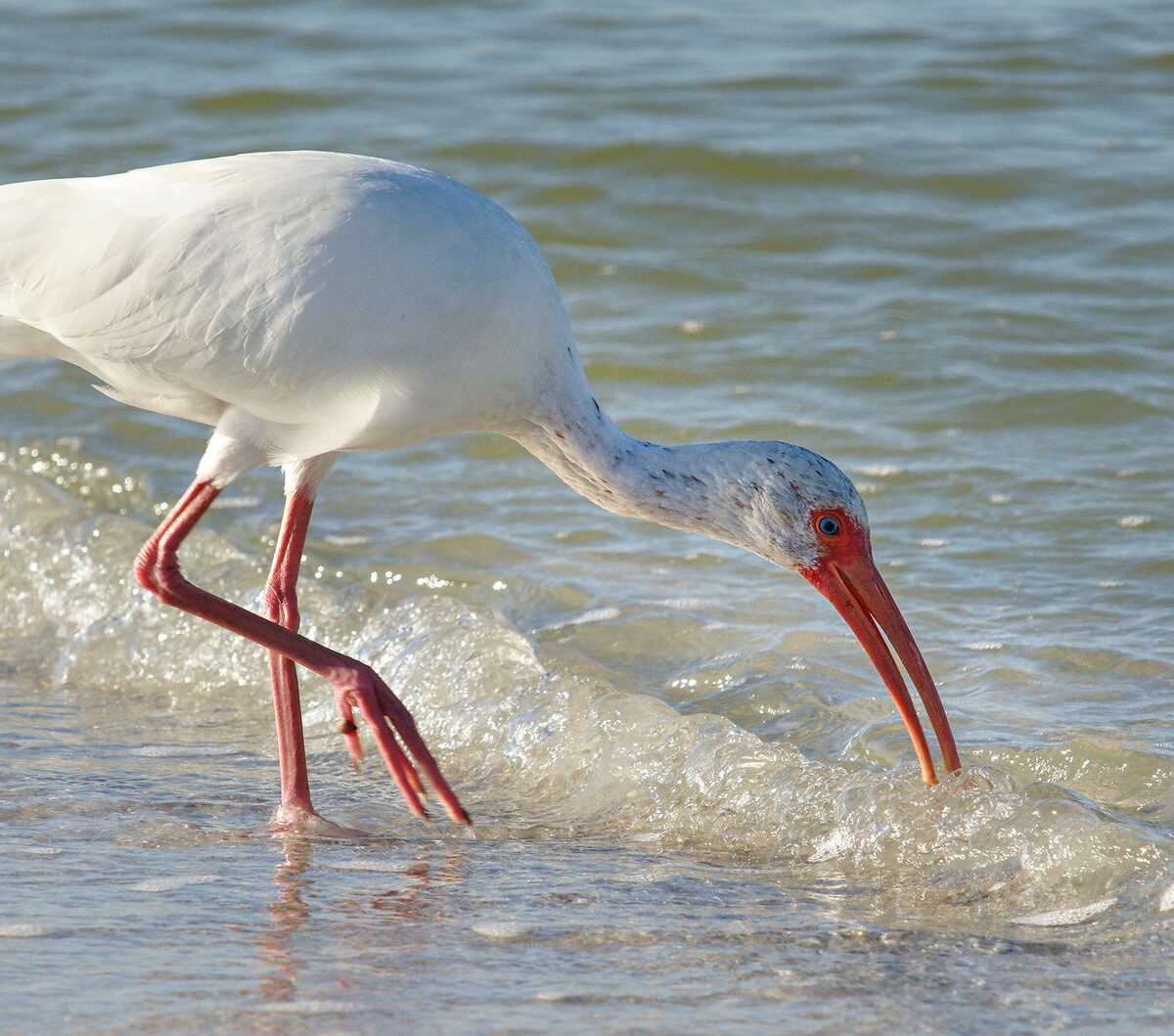
AMERICAN WHITE IBIS
Eudocimus albus
DESCRIPTION
American White Ibis (Eudocimus albus) is a wading bird known for its striking white plumage and long, curved bill. This species exhibits social behavior, often seen foraging in groups in shallow waters. They are commonly found in wetlands, marshes, and coastal areas, where they play a vital role in the ecosystem by controlling insect populations and contributing to nutrient cycling.
FUN FACTS
- American White Ibis is known for its unique foraging behavior, where it uses its long bill to probe into mud and shallow waters to find food
- This probing behavior is not only effective for finding food but also helps aerate the soil, benefiting the ecosystem
- | The American White Ibis has a fascinating breeding ritual, where males perform elaborate displays to attract females, including head bobbing and bill clacking
- These displays are crucial for establishing pair bonds and ensuring successful reproduction
QUICK INFO
Lifespan10-15 years in the wild, up to 20 years in captivi
Average Weight0.7-1.4 kg
Average Length65-75 cm
Diet TypeOmnivore
Social StructureThey are often found in groups, especially during foraging and nesting.
Activity PatternDiurnal
Breeding SeasonSpring to early summer
- Habitat
- This species inhabits wetlands, marshes, and coastal areas, often near freshwater or brackish water sources. They prefer environments with abundant vegetation and shallow water for foraging.
- Biomes
- Wetlands, Coastal
- Native Range
- American White Ibis is native to the southeastern United States, Central America, and parts of South America.
- Continent
- North America, South America
- Countries
- United States, Mexico, Brazil, Colombia
- Diet
- American White Ibis primarily feeds on small invertebrates, crustaceans, and fish, which they probe for in mud and shallow water. Their foraging technique involves using their long bills to search for food in the substrate.
- Diet Type
- Omnivore
- Favorite Food
- invertebrates, crustaceans, fish
- Social Structure
- They are often found in groups, especially during foraging and nesting.
- Activity Pattern
- Diurnal
- Group Size
- 10-50
- Territorial
- 0

 LC
LC
0.7-1.4 kg
Weight
65-75 cm
Length
- Coloration
- Primarily white with black wing tips and a long, curved bill.
- Sexual Dimorphism
- Males and females are similar in appearance, though males are generally larger.
- Lifespan
- 10-15 years in the wild, up to 20 years in captivi
- Offspring per Birth
- 2-5
- Sexual Maturity
- 1-2 years
- Breeding Season
- Spring to early summer
LC
Least Concern
IUCN Red List Status
- Population Status
- The population of American White Ibis is currently stable, though local declines have been noted in some areas.
- Wild Population Estimate
- 100,000-200,000
- Population Trend
- Stable
- Endangered
- 0
- Threats
- Main threats include habitat loss due to wetland drainage and pollution. Climate change also poses a risk by altering their habitats and food availability.
- Predators
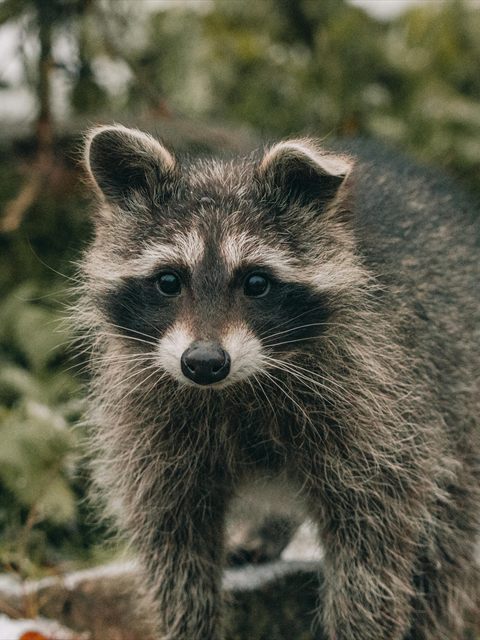
- Alligators, raccoons, and various birds of prey can pose threats to American White Ibis, especially to their eggs and young.
- Defense Mechanisms
- They often rely on their social structure for protection, as well as their ability to fly away from threats.
- Compatible Animals
- Other wading birds, such as herons and egrets, are commonly found in the same habitats.
- Found in Zoos
- Common