



AMERICAN WHITE PELICAN
Pelecanus erythrorhynchos
DESCRIPTION
The American White Pelican is a large, distinctive bird known for its striking white plumage and long, orange bill. It is often seen gliding gracefully over water bodies in search of food.
FUN FACTS
- American White Pelicans can weigh up to 15 pounds | They have a wingspan of up to 9 feet | Unlike most pelicans, they do not dive for fish but rather use a cooperative feeding strategy
QUICK INFO
Lifespan15-25 years in the wild.
Average Weight4.5-7 kg
Average Length1.2-1.8 m
Diet TypePiscivore
Social Structuregroup — they often gather in large flocks for feeding and nesting.
Activity PatternDiurnal
Breeding SeasonSpring (April-June)
- Habitat
- American White Pelicans inhabit freshwater lakes, marshes, and coastal areas. They prefer shallow waters where they can easily find their prey.
- Biomes
- Wetlands, Freshwater, Coastal
- Native Range
- They are found across North America, particularly in the interior regions during breeding season and along the coasts during migration.
- Continent
- North America
- Countries
- United States, Canada, Mexico
- Diet
- This species primarily feeds on fish, which it catches by diving or using its large bill to scoop them up. They may also consume small invertebrates occasionally.
- Diet Type
- Piscivore
- Favorite Food
- fish
- Social Structure
- group — they often gather in large flocks for feeding and nesting.
- Activity Pattern
- Diurnal
- Group Size
- 10-100
- Territorial
- 0
 LC
LC
 LC
LC
4.5-7 kg
Weight
1.2-1.8 m
Length
- Coloration
- Predominantly white with black wingtips and a large orange bill.
- Sexual Dimorphism
- Males are generally larger than females.
- Lifespan
- 15-25 years in the wild.
- Offspring per Birth
- 1-3
- Sexual Maturity
- 3-4 years
- Breeding Season
- Spring (April-June)
LC
Least Concern
IUCN Red List Status
- Population Status
- The population is currently stable, with some fluctuations due to environmental factors.
- Wild Population Estimate
- 100,000-200,000
- Population Trend
- Stable
- Endangered
- 0
- Threats
- Main threats include habitat loss due to wetland drainage and pollution. Climate change also poses a risk to their breeding habitats.
- Predators
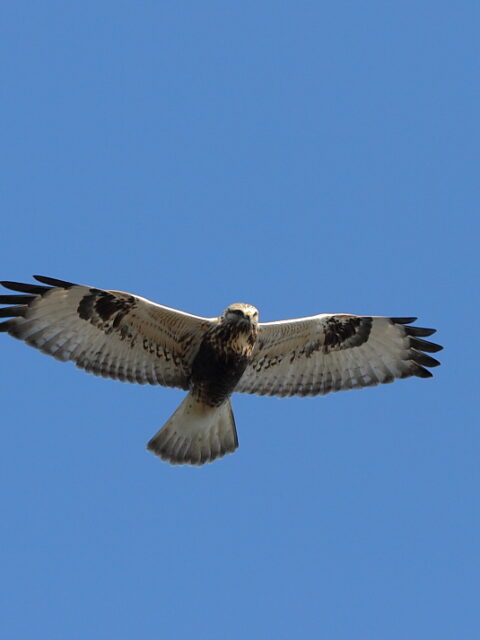
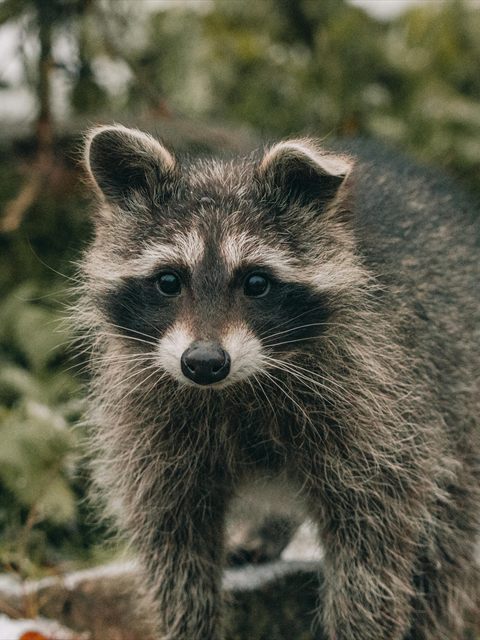
- Eggs and chicks are vulnerable to predation by birds of prey and raccoons.
- Found in Zoos
- Uncommon