


AMERICAN WIGEON
Mareca americana
DESCRIPTION
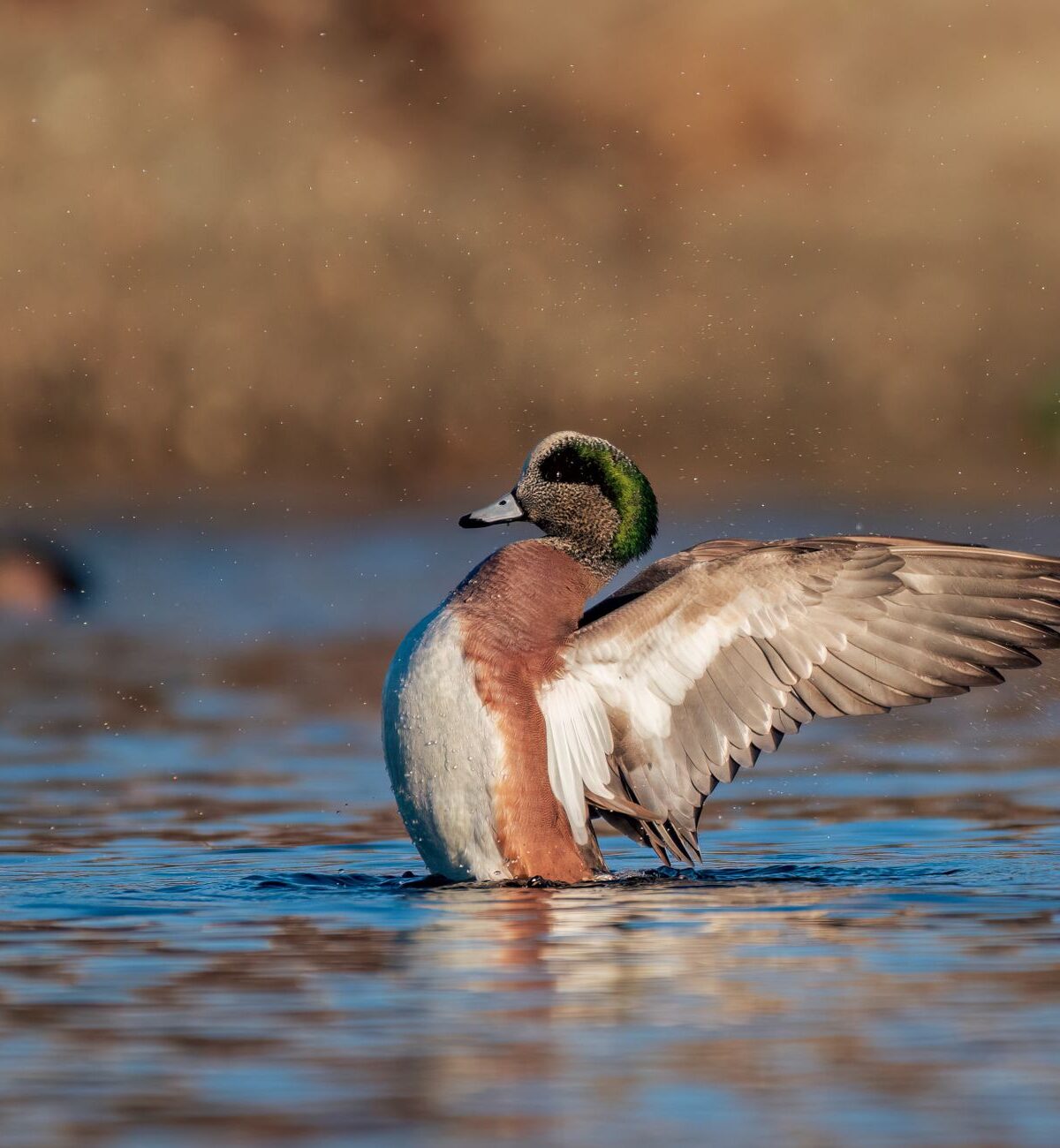
American Wigeon (Mareca americana) is commonly known as Wigeon. This medium-sized dabbling duck is characterized by its distinctive green and white head pattern in males, while females are mottled brown with a subtle pattern. They are known for their social behavior, often seen in large flocks, and are found in wetlands and shallow waters where they forage for food.
FUN FACTS
- American Wigeons are known for their unique feeding behavior, often tipping forward in the water to reach underwater vegetation
- They are also one of the few duck species that will graze on land, often seen in fields during the winter months.| During migration, American Wigeons can travel long distances, sometimes flying over 1,000 miles non-stop
- Their adaptability to various habitats makes them a common sight in both urban and rural areas
QUICK INFO
Lifespan5-10 years in the wild
Average Weight0.7-1.2 kg
Average Length50-60 cm
Diet TypeHerbivore
Social StructureThey are typically seen in pairs or small groups, especially during the breeding season.
Activity PatternDiurnal
Breeding SeasonSpring (April-June)
- Habitat
- American Wigeons inhabit freshwater marshes, ponds, and coastal estuaries. They prefer shallow waters where they can easily access their food sources.
- Biomes
- Wetlands, Coastal
- Native Range
- They are found across North America, breeding in Canada and the northern United States, and wintering in the southern United States and parts of Mexico.
- Continent
- North America
- Countries
- United States, Canada, Mexico
- Diet
- American Wigeons primarily feed on aquatic plants, seeds, and grasses, often grazing in fields and marshes. They also consume some invertebrates, particularly during the breeding season.
- Diet Type
- Herbivore
- Favorite Food
- aquatic plants, seeds, grasses
- Social Structure
- They are typically seen in pairs or small groups, especially during the breeding season.
- Activity Pattern
- Diurnal
- Group Size
- 10-50
- Territorial
- 0
 LC
LC
 CR
CR
0.7-1.2 kg
Weight
50-60 cm
Length
- Coloration
- Males have a striking green head, white crown, and chestnut-colored breast, while females are brown and mottled.
- Sexual Dimorphism
- Males are more colorful with distinct markings compared to the more subdued females.
- Lifespan
- 5-10 years in the wild
- Offspring per Birth
- 6-10
- Sexual Maturity
- 1 year
- Breeding Season
- Spring (April-June)
LC
Least Concern
IUCN Red List Status
- Population Status
- The population of American Wigeons is currently stable, with healthy breeding numbers.
- Wild Population Estimate
- 1,000,000-1,500,000
- Population Trend
- Stable
- Endangered
- 0
- Threats
- Main threats include habitat loss due to wetland drainage and pollution. Climate change also poses a risk to their breeding and wintering habitats.
- Predators
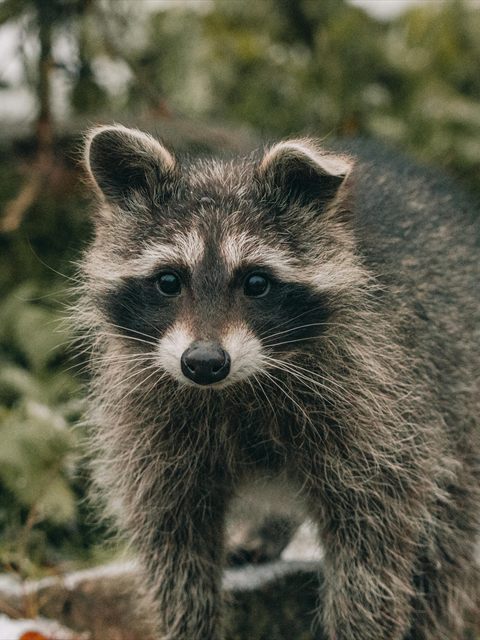
- Common predators include foxes, raccoons, and birds of prey such as eagles and hawks.
- Defense Mechanisms
- They rely on their ability to fly quickly and their social behavior to evade predators.
- Compatible Animals
- Other waterfowl species, null
- Found in Zoos
- Uncommon