


ANACONDA
Eunectes murinus
DESCRIPTION
The green anaconda, or Eunectes murinus, is one of the largest snake species in the world, known for its impressive size and strength. It has a robust, muscular body that can reach lengths of over 5 meters (16 feet) and weigh up to 250 kg (550 lbs). This snake is primarily aquatic, often found in swamps, marshes, and slow-moving streams, where it uses its camouflage to ambush prey.
FUN FACTS
- Green anacondas are known for their incredible ability to constrict their prey, using their powerful muscles to suffocate animals before swallowing them whole
- | Despite their size, green anacondas are excellent swimmers and can hold their breath underwater for up to 10 minutes while hunting or evading threats
QUICK INFO
Lifespan10-15 years in the wild, up to 30 years in captivi
Average Weight150-250 kg
Average Length4.5-5.5 m
Diet TypeCarnivore
Social StructureSolitary, typically only seen in pairs during mating season.
Activity PatternNocturnal
Breeding SeasonSpring (March-May)
- Habitat
- Green anacondas inhabit tropical rainforests, swamps, and wetlands, where they can easily access water. They are often found in areas with dense vegetation that provides cover for hunting and resting.
- Biomes
- Tropical Rainforest, Wetland
- Native Range
- The green anaconda is native to the Amazon Basin and other parts of South America, including countries like Brazil, Colombia, Venezuela, and Peru.
- Continent
- South America
- Countries
- Brazil, Colombia, Venezuela, Peru, Ecuador
- Diet
- The green anaconda is a carnivorous predator that primarily feeds on a variety of animals, including fish, birds, mammals, and even other reptiles. It is known for its ability to consume large prey, sometimes swallowing animals as large as deer or caimans whole.
- Diet Type
- Carnivore
- Favorite Food
- Fish, birds, mammals
- Social Structure
- Solitary, typically only seen in pairs during mating season.
- Activity Pattern
- Nocturnal
- Group Size
- 1
- Territorial
- 0
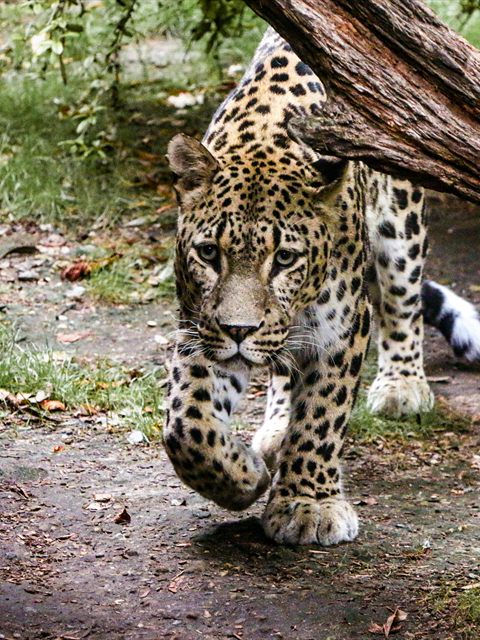 NT
NT
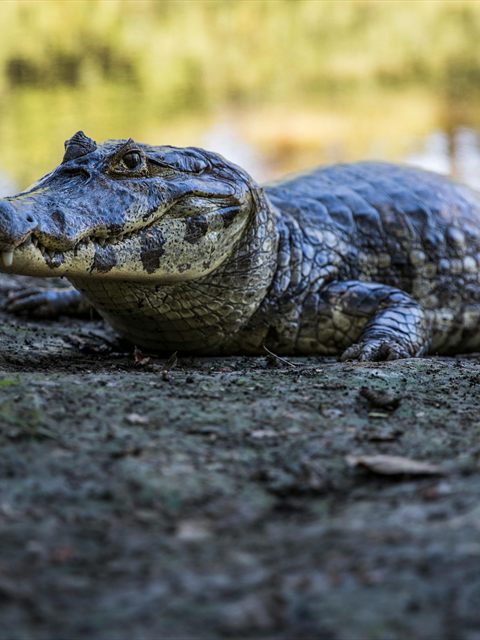 LC
LC
 VU
VU
150-250 kg
Weight
4.5-5.5 m
Length
- Coloration
- The coloration of the green anaconda is primarily olive green with black or dark brown splotches, providing excellent camouflage in its aquatic environment.
- Sexual Dimorphism
- Females are generally larger than males.
- Lifespan
- 10-15 years in the wild, up to 30 years in captivi
- Gestation Period
- 6 months
- Offspring per Birth
- 20-40
- Sexual Maturity
- 3-4 years
- Breeding Season
- Spring (March-May)
LC
Least Concern
IUCN Red List Status
- Population Status
- The population of green anacondas is currently stable, but they face threats from habitat destruction and hunting.
- Wild Population Estimate
- Unknown
- Population Trend
- Stable
- Endangered
- 0
- Threats
- Main threats include habitat loss due to deforestation and hunting for their skin. Additionally, they are sometimes killed by humans out of fear or misunderstanding.
- Predators
- Humans, jaguars, caimans, and large birds of prey.
- Defense Mechanisms
- Green anacondas rely on their size and strength for defense, often using camouflage to avoid detection. When threatened, they may also retreat into the water.
- Found in Zoos
- Common