



ANGOLAN PYTHON
Python anchietae
DESCRIPTION
The Angolan Python, or Python anchietae, is a large non-venomous snake known for its distinctive coloration and patterns. It typically exhibits a combination of browns, yellows, and blacks, which provides excellent camouflage in its natural habitat. This species is primarily terrestrial but is also known to climb trees, showcasing its adaptability in various environments.
FUN FACTS
- The Angolan Python is known for its impressive size, with some individuals reaching lengths of over 3 meters
- They are also capable of consuming prey much larger than their head due to their highly flexible jaws
- | Unlike many other snake species, Angolan Pythons are known to exhibit a degree of parental care, with females guarding their eggs until they hatch
QUICK INFO
Lifespan20-30 years in captivity, unknown in the wild.
Average Weight30-50 kg
Average Length2-3 m
Diet TypeCarnivore
Social StructureSolitary, typically only seen together during mating.
Activity PatternNocturnal
Breeding SeasonSpring (September-November)
- Habitat
- Angolan Pythons inhabit a variety of environments, including savannas, woodlands, and scrublands. They prefer areas with ample cover for ambushing prey and for thermoregulation.
- Biomes
- Savanna, Woodland, Scrubland
- Native Range
- The Angolan Python is native to Angola and parts of Namibia and Zambia.
- Continent
- Africa
- Countries
- Angola, Namibia, Zambia
- Diet
- The Angolan Python primarily preys on small to medium-sized mammals and birds. It uses constriction to subdue its prey before consumption.
- Diet Type
- Carnivore
- Favorite Food
- Rodents, birds
- Social Structure
- Solitary, typically only seen together during mating.
- Activity Pattern
- Nocturnal
- Group Size
- 1
- Territorial
- 0
 VU
VU
 VU
VU
30-50 kg
Weight
2-3 m
Length
- Coloration
- Brown and yellow with dark blotches, providing effective camouflage.
- Sexual Dimorphism
- Males are generally smaller than females.
- Lifespan
- 20-30 years in captivity, unknown in the wild.
- Gestation Period
- 60-90 days
- Offspring per Birth
- 10-30
- Sexual Maturity
- 3-4 years
- Breeding Season
- Spring (September-November)
LC
Least Concern
IUCN Red List Status
- Population Status
- The population is currently stable, but habitat destruction poses a potential threat.
- Wild Population Estimate
- Unknown
- Population Trend
- Stable
- Endangered
- 0
- Threats
- Habitat loss due to agriculture and human encroachment is the primary threat to the Angolan Python. Additionally, they may be hunted for their skin.
- Predators
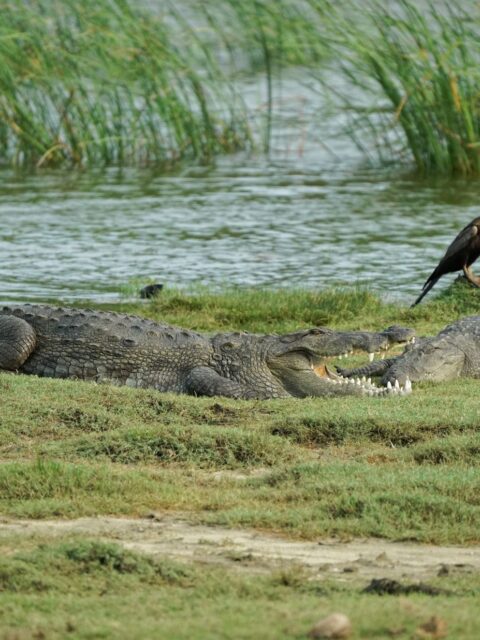
- Large birds of prey, crocodiles, and other large snakes may prey on juvenile Angolan Pythons.
- Defense Mechanisms
- When threatened, Angolan Pythons may hiss, strike, or attempt to escape. They can also camouflage effectively within their environment.
- Found in Zoos
- Uncommon