


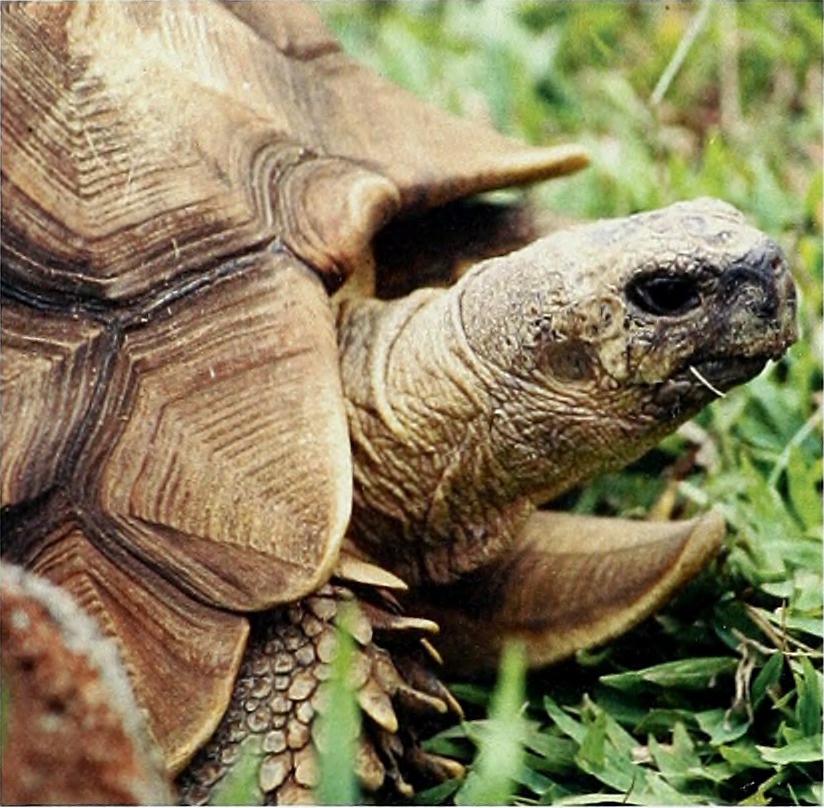
ANGONOKA TORTOISE
Astrochelys yniphora
DESCRIPTION
Angonoka Tortoise (Astrochelys yniphora) is commonly known as the Madagascar Tortoise. This species is characterized by its high-domed shell, which can reach impressive sizes, and its striking coloration, often featuring a pattern of yellow and black. Behaviorally, these tortoises are primarily herbivorous and are known to be solitary, spending much of their time foraging for food in their natural habitat.
FUN FACTS
- The Angonoka Tortoise is one of the most endangered tortoise species in the world, with conservationists working tirelessly to protect its remaining populations
- | These tortoises have a unique ability to survive in harsh environments, often going long periods without water, thanks to their efficient metabolism and ability to store moisture
QUICK INFO
Lifespan50-100 years in the wild, up to 150 years in capti
Average Weight25-30 kg
Average Length50-70 cm
Diet TypeHerbivore
Social Structuresolitary
Activity PatternDiurnal
Breeding SeasonSpring (October-December)
- Habitat
- This tortoise inhabits dry forests and scrublands, often preferring areas with abundant vegetation. They are adapted to the unique conditions of Madagascar's ecosystems.
- Biomes
- Dry Forest, Scrubland
- Native Range
- The Angonoka Tortoise is native to Madagascar, specifically found in the northwestern part of the island.
- Continent
- Africa
- Countries
- Madagascar
- Diet
- The Angonoka Tortoise primarily feeds on a variety of grasses, leaves, and fruits. They are known to consume a significant amount of fibrous plant material.
- Diet Type
- Herbivore
- Favorite Food
- grasses, leaves, fruits
- Social Structure
- solitary
- Activity Pattern
- Diurnal
- Group Size
- 1
- Territorial
- 0
25-30 kg
Weight
50-70 cm
Length
- Coloration
- The shell is typically dark brown to black with yellow or cream-colored patterns.
- Sexual Dimorphism
- Males are generally smaller than females and have a more concave plastron.
- Lifespan
- 50-100 years in the wild, up to 150 years in capti
- Offspring per Birth
- 1-3
- Sexual Maturity
- 10-15 years
- Breeding Season
- Spring (October-December)
CR
Critically Endangered
IUCN Red List Status
- Population Status
- The population of Angonoka Tortoises is critically low due to habitat loss and poaching.
- Wild Population Estimate
- Less than 1,000 individuals
- Population Trend
- Decreasing
- Endangered
- 1
- Threats
- Main threats include habitat destruction due to agriculture and illegal collection for the pet trade. These factors have led to a significant decline in their population.
- Conservation Program
- Conservation efforts are underway, including habitat protection and breeding programs in captivity.
- Predators
- Main predators include birds of prey and feral dogs, which can pose a threat to juvenile tortoises.
- Defense Mechanisms
- Angonoka Tortoises can retract their heads and limbs into their shells for protection against predators.
- Found in Zoos
- Rare