


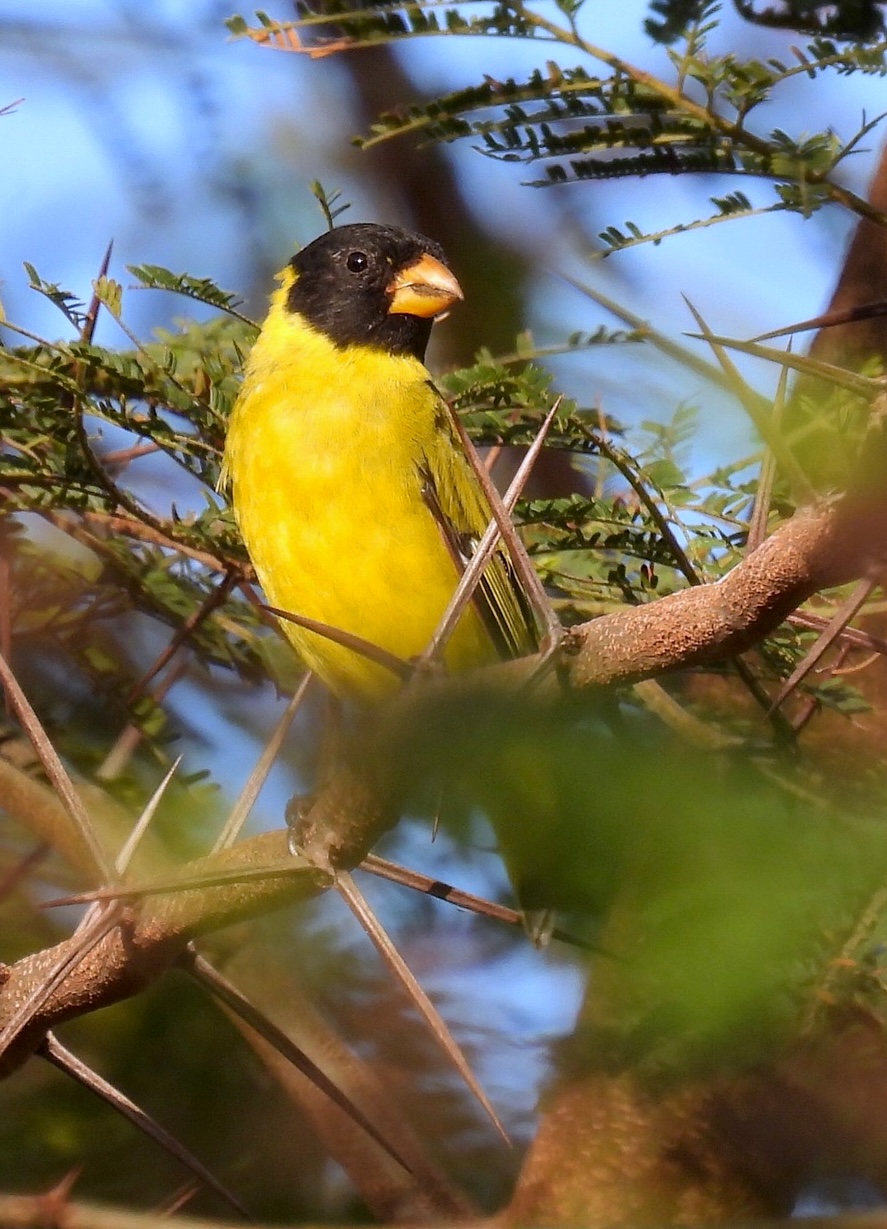
ANTILLEAN SISKIN
Spinus dominicensis
DESCRIPTION
Antillean siskin (Spinus dominicensis) is a small finch native to the Caribbean, particularly found in the islands of Hispaniola and Puerto Rico. This bird exhibits a vibrant yellow and black coloration, with males typically displaying brighter hues than females. They are known for their lively behavior, often seen foraging in flocks and engaging in acrobatic flights among trees and shrubs.
FUN FACTS
- Antillean siskins are known for their melodious songs, which they use to communicate with each other, especially during the breeding season
- Their vibrant colors not only attract mates but also play a role in social interactions within their flocks.|These birds are highly adaptable and can thrive in various forest types, making them resilient to some environmental changes
- However, they still rely heavily on specific habitats for breeding and feeding
QUICK INFO
Lifespanup to 5 years in the wild
Average Weight10-15 g
Average Length11-12 cm
Diet TypeHerbivore
Social Structuregroup — they are often found in small flocks, especially when foraging.
Activity PatternDiurnal
Breeding SeasonSpring (March-May)
- Habitat
- These birds inhabit a variety of environments, including subtropical or tropical dry forests, moist lowland forests, and montane forests. They are often found in areas with abundant vegetation that provides both food and nesting sites.
- Biomes
- Tropical Rainforest, Montane Forest
- Native Range
- The Antillean siskin is native to the Caribbean islands, specifically Hispaniola and Puerto Rico.
- Continent
- North America, Caribbean
- Countries
- Haiti, Dominican Republic, Puerto Rico
- Diet
- Antillean siskins primarily feed on seeds, particularly those from grasses and weeds, as well as some fruits and insects. Their diet is crucial for their energy needs, especially during the breeding season.
- Diet Type
- Herbivore
- Favorite Food
- seeds, fruits
- Social Structure
- group — they are often found in small flocks, especially when foraging.
- Activity Pattern
- Diurnal
- Group Size
- 5-15
- Territorial
- 0
 CR
CR
 LC
LC
10-15 g
Weight
11-12 cm
Length
- Coloration
- bright yellow with black wings and a black cap on the head
- Sexual Dimorphism
- males are generally brighter than females
- Lifespan
- up to 5 years in the wild
- Offspring per Birth
- 2-5
- Sexual Maturity
- 1 year
- Breeding Season
- Spring (March-May)
LC
Least Concern
IUCN Red List Status
- Population Status
- The population of Antillean siskins is currently stable, but they are subject to habitat loss.
- Wild Population Estimate
- unknown
- Population Trend
- Stable
- Endangered
- 0
- Threats
- Main threats include habitat destruction due to deforestation and urbanization. Additionally, climate change poses a risk to their habitat and food sources.
- Predators
- cats, hawks, snakes
- Defense Mechanisms
- They often use their agility and speed to evade predators, and they may also rely on their flocking behavior for safety.
- Found in Zoos
- Uncommon