


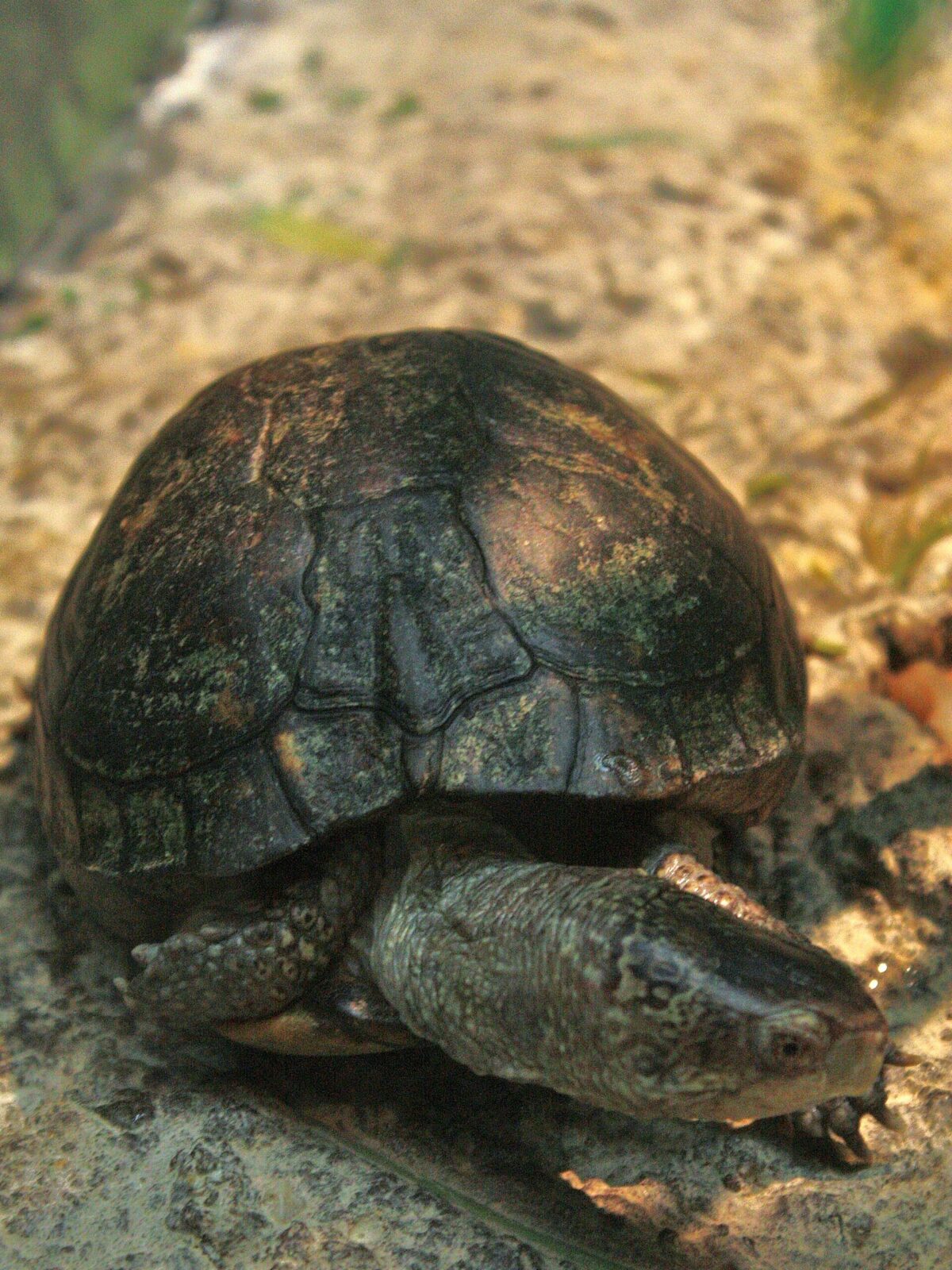
AQUATIC BOX TURTLE
Terrapene coahuila
DESCRIPTION
Aquatic Box Turtle (Terrapene coahuila), also known as the Coahuila Box Turtle, is a small, semi-aquatic turtle characterized by its high-domed shell and distinctive coloration, which typically features a dark brown or black background with yellow or orange markings. This species is primarily found in freshwater habitats, such as ponds and marshes, where it exhibits a preference for slow-moving waters. Behaviorally, Aquatic Box Turtles are known for their ability to retreat into their shells for protection and are generally more active during the warmer parts of the day.
FUN FACTS
- Aquatic Box Turtles are known for their unique ability to close their shells tightly, which provides them with excellent protection from predators
- They are also capable of absorbing water through their skin, allowing them to stay hydrated in their aquatic environments.| These turtles have a fascinating reproductive strategy, where females can store sperm for several months after mating, allowing them to fertilize their eggs at a later time
- This adaptation can be beneficial in environments where conditions may not be favorable for immediate egg-laying
QUICK INFO
Lifespan20-30 years in the wild
Average Weight0.5-1 kg
Average Length15-20 cm
Diet TypeOmnivore
Social Structuresolitary
Activity PatternDiurnal
Breeding SeasonSpring (April-June)
- Habitat
- They inhabit freshwater environments, particularly shallow ponds, marshes, and slow-moving streams. These turtles prefer areas with abundant vegetation for cover and foraging.
- Biomes
- Freshwater, Wetlands
- Native Range
- The native range of the Aquatic Box Turtle is limited to specific regions in northeastern Mexico.
- Continent
- North America
- Countries
- Mexico
- Diet
- Aquatic Box Turtles are omnivorous, feeding on a variety of plant matter, insects, and small aquatic animals.
- Diet Type
- Omnivore
- Favorite Food
- aquatic plants, insects
- Social Structure
- solitary
- Activity Pattern
- Diurnal
- Group Size
- 1-3
- Territorial
- 0
 LC
LC
 VU
VU
 LC
LC
0.5-1 kg
Weight
15-20 cm
Length
- Coloration
- dark brown or black with yellow or orange markings
- Sexual Dimorphism
- males typically have a concave plastron and longer tails than females
- Lifespan
- 20-30 years in the wild
- Offspring per Birth
- 3-5
- Sexual Maturity
- 5-7 years
- Breeding Season
- Spring (April-June)
EN
Endangered
IUCN Red List Status
- Population Status
- The population of Aquatic Box Turtles is currently declining due to habitat loss and other factors.
- Wild Population Estimate
- unknown
- Population Trend
- Decreasing
- Endangered
- 1
- Threats
- Main threats include habitat destruction due to agricultural expansion and pollution of water sources. Additionally, illegal collection for the pet trade poses a significant risk to their populations.
- Predators
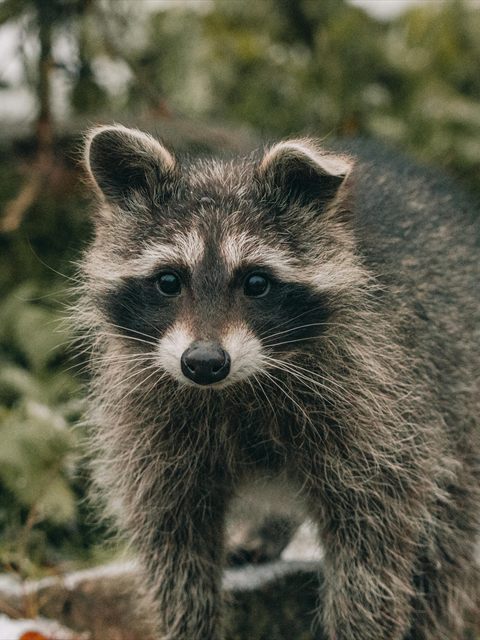
- raccoons, birds of prey, large fish
- Defense Mechanisms
- They can retract into their shells for protection against predators.
- Found in Zoos
- Uncommon