


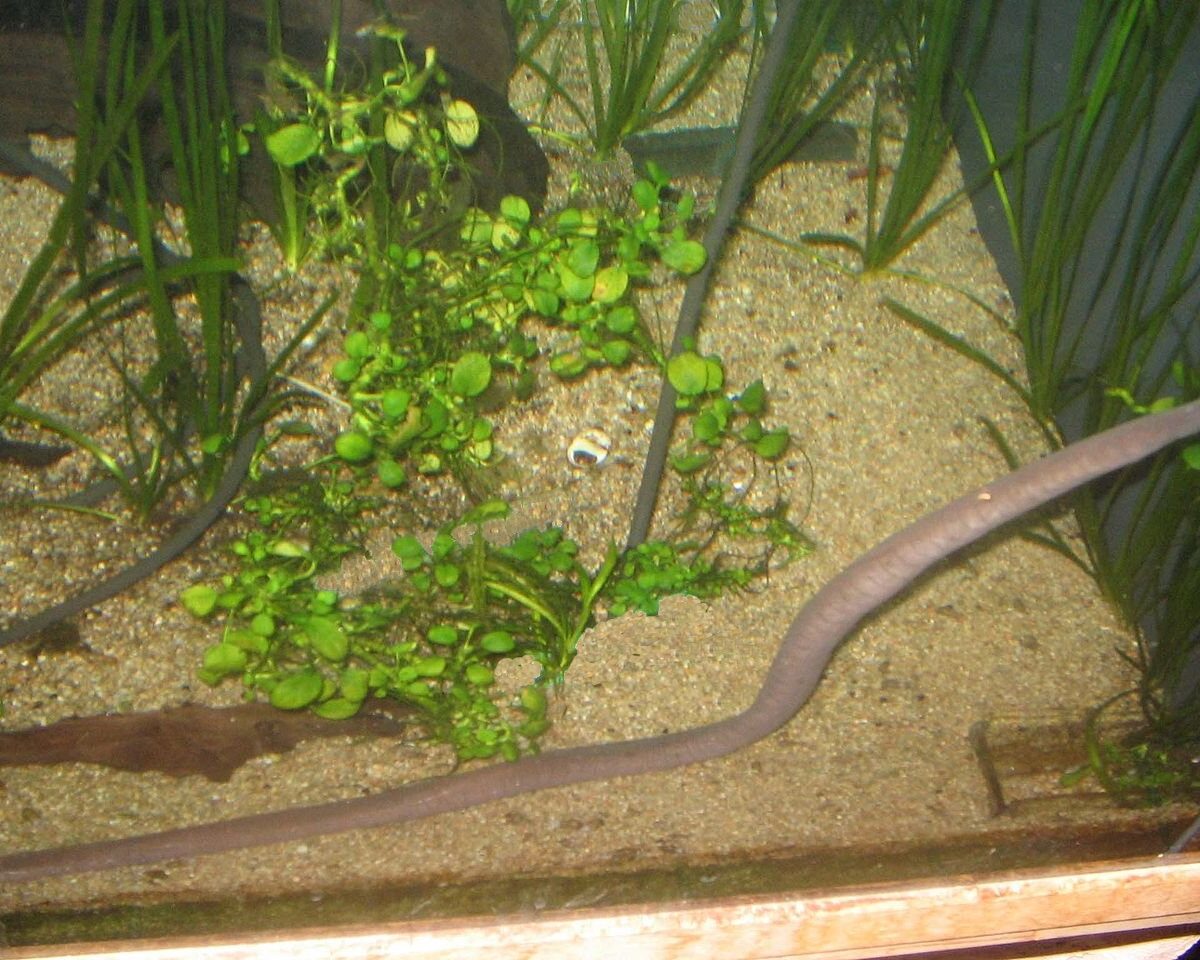
AQUATIC CAECILIAN
DESCRIPTION
Aquatic Caecilian, also known as Water Caecilian, is a unique amphibian characterized by its elongated, limbless body that resembles a snake. These creatures are adapted to an aquatic lifestyle, with a smooth, slimy skin that aids in their movement through water. They are primarily found in freshwater habitats, where they burrow into the substrate and hunt for prey, showcasing a fascinating blend of amphibious and aquatic traits.
FUN FACTS
- Aquatic Caecilians are fascinating because they possess a unique method of locomotion, using their body muscles to undulate through water much like eels
- Additionally, they have a specialized sensory organ called the tentacle, located between their eyes, which helps them detect chemical signals in the water, enhancing their ability to find food and navigate their environment
QUICK INFO
Lifespan10-15 years in the wild, up to 20 in captivity
Average Weight200-300 g
Average Length0.5-1 m
Diet TypeCarnivore
Social Structuresolitary
Activity PatternNocturnal
Breeding SeasonWet season (varies by region)
- Habitat
- Aquatic Caecilians inhabit freshwater environments such as rivers, streams, and swamps. They prefer areas with soft substrates where they can burrow and hide from predators.
- Biomes
- Freshwater, Wetlands
- Native Range
- They are native to the tropical regions of South America, particularly in countries like Colombia and Brazil.
- Continent
- South America
- Countries
- Colombia, Brazil
- Diet
- Aquatic Caecilians primarily feed on small invertebrates and fish, using their keen sense of smell to locate prey. They are adept at hunting in their underwater environments.
- Diet Type
- Carnivore
- Favorite Food
- small invertebrates, fish
- Social Structure
- solitary
- Activity Pattern
- Nocturnal
- Group Size
- 1
- Territorial
- 0
 LC
LC
 VU
VU
200-300 g
Weight
0.5-1 m
Length
- Coloration
- Typically dark brown or gray with lighter mottling, providing camouflage in their aquatic environment.
- Lifespan
- 10-15 years in the wild, up to 20 in captivity
- Offspring per Birth
- 5-10
- Sexual Maturity
- 2-3 years
- Breeding Season
- Wet season (varies by region)
LC
Least Concern
IUCN Red List Status
- Population Status
- Population status is not well-documented, but they are not considered abundant.
- Wild Population Estimate
- Unknown
- Population Trend
- Unknown
- Endangered
- 0
- Threats
- Main threats include habitat destruction due to deforestation and pollution of water bodies. These factors can significantly impact their populations and breeding success.
- Predators
- Fish, birds, and larger amphibians are known to prey on Aquatic Caecilians.
- Defense Mechanisms
- They can burrow quickly into the substrate to escape threats, and their slimy skin may deter some predators.
- Found in Zoos
- Uncommon