


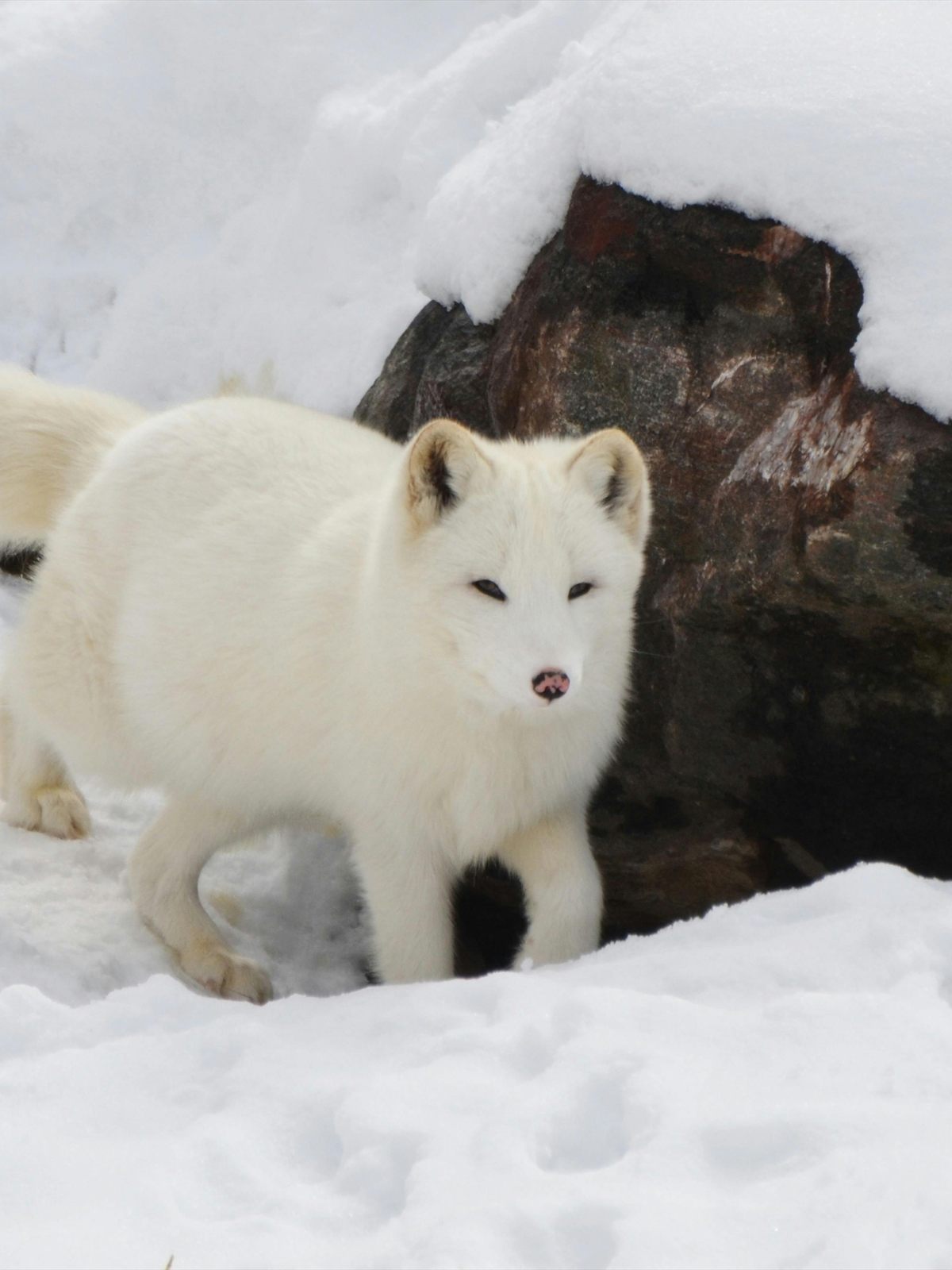
ARCTIC FOX
Vulpes lagopus
DESCRIPTION
The Arctic Fox is a small, adaptable canid native to the Arctic regions. It is well-known for its thick, warm fur and ability to survive in extreme cold temperatures.
FUN FACTS
- Arctic Foxes have a unique ability to hear the movements of prey beneath the snow | They can survive temperatures as low as -50 degrees Celsius | Their fur changes color with the seasons, providing camouflage
QUICK INFO
Lifespan3-6 years in the wild, up to 10 years in captivity
Average Weight3-9 kg
Average Length46-68 cm
Diet TypeCarnivore
Social Structurepair, they often form monogamous pairs during the breeding season
Activity PatternNocturnal
Breeding SeasonSpring (April-May)
- Habitat
- They inhabit tundra, coastal areas, and pack ice. Their fur provides insulation against the harsh Arctic climate.
- Biomes
- Tundra, Polar
- Native Range
- Circumpolar regions of the Arctic, including parts of North America, Europe, and Asia.
- Continent
- North America, Europe, Asia
- Countries
- Canada, Greenland, Norway, Russia, Alaska (USA)
- Diet
- Arctic Foxes primarily eat small mammals, birds, and carrion. They are opportunistic feeders and will scavenge when necessary.
- Diet Type
- Carnivore
- Favorite Food
- lemmings, birds
- Social Structure
- pair, they often form monogamous pairs during the breeding season
- Activity Pattern
- Nocturnal
- Group Size
- 1-2
- Territorial
- 1
 VU
VU
3-9 kg
Weight
46-68 cm
Length
- Coloration
- Seasonally changes from white in winter to brown or gray in summer.
- Sexual Dimorphism
- males are generally larger than females
- Lifespan
- 3-6 years in the wild, up to 10 years in captivity
- Gestation Period
- 52 days
- Offspring per Birth
- 5-10
- Sexual Maturity
- 1 year
- Breeding Season
- Spring (April-May)
LC
Least Concern
IUCN Red List Status
- Population Status
- Population is currently stable, but local declines may occur due to habitat loss.
- Wild Population Estimate
- unknown
- Population Trend
- Stable
- Endangered
- 0
- Threats
- Main threats include climate change, habitat loss, and competition with larger predators like the red fox.
- Predators
- polar bears, larger birds of prey
- Defense Mechanisms
- They use their fur for insulation and can dig burrows to escape predators.
- Found in Zoos
- Uncommon