


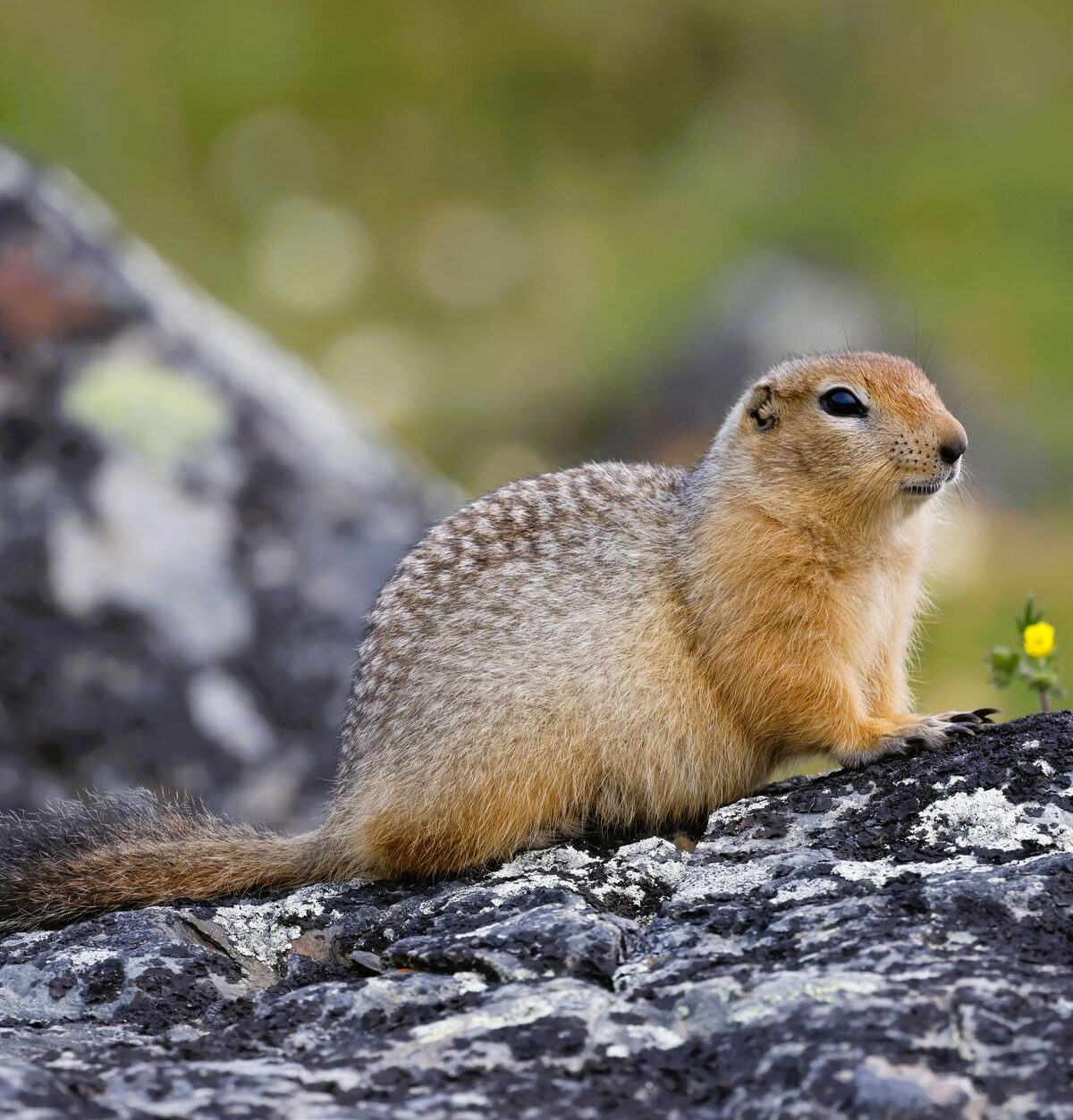
ARCTIC GROUND SQUIRREL
Urocitellus parryii
DESCRIPTION
Arctic Ground Squirrel (Urocitellus parryii), also known as Parry's Ground Squirrel, is a small rodent characterized by its stout body, short legs, and bushy tail. They have a thick fur coat that varies in color from grayish-brown to reddish-brown, providing excellent camouflage in their tundra habitat. These squirrels are known for their social behavior, often living in colonies and engaging in complex communication through vocalizations and tail signals.
FUN FACTS
- Arctic Ground Squirrels are known for their hibernation behavior, which can last up to 8 months during the harsh winter months
- They enter a state of torpor, significantly lowering their metabolic rate to conserve energy
- | These squirrels have a unique social structure, where they engage in complex communication through vocalizations and tail signals, allowing them to alert others in their colony about potential threats
QUICK INFO
Lifespan3-5 years in the wild, up to 10 years in captivity
Average Weight0.5-1.5 kg
Average Length25-30 cm
Diet TypeHerbivore
Social Structuregroup — they live in colonies and exhibit social behaviors such as alarm calling.
Activity PatternDiurnal
Breeding SeasonSpring (April-June)
- Habitat
- These squirrels inhabit tundra and alpine regions, often found in areas with well-drained soils where they can dig burrows. They prefer open areas with sparse vegetation that allows for easy foraging.
- Biomes
- Tundra, Alpine
- Native Range
- Arctic Ground Squirrels are native to the northern regions of North America, particularly in Alaska and parts of Canada.
- Continent
- North America
- Countries
- United States, Canada
- Diet
- Arctic Ground Squirrels primarily feed on a variety of plant materials, including grasses, seeds, and roots. They also consume berries and other fruits when available.
- Diet Type
- Herbivore
- Favorite Food
- grasses, seeds, roots
- Social Structure
- group — they live in colonies and exhibit social behaviors such as alarm calling.
- Activity Pattern
- Diurnal
- Group Size
- 5-30
- Territorial
- 0
 LC
LC
 LC
LC
 LC
LC
LC
LC
0.5-1.5 kg
Weight
25-30 cm
Length
- Coloration
- grayish-brown to reddish-brown fur
- Sexual Dimorphism
- males are generally larger than females
- Lifespan
- 3-5 years in the wild, up to 10 years in captivity
- Gestation Period
- 28-30 days
- Offspring per Birth
- 4-8
- Sexual Maturity
- 1 year
- Breeding Season
- Spring (April-June)
LC
Least Concern
IUCN Red List Status
- Population Status
- The population of Arctic Ground Squirrels is considered stable, although local declines may occur due to habitat loss.
- Wild Population Estimate
- 100,000-200,000
- Population Trend
- Stable
- Endangered
- 0
- Threats
- Main threats include habitat destruction due to climate change and human activities. Predation by larger mammals and birds of prey also impacts their populations.
- Predators
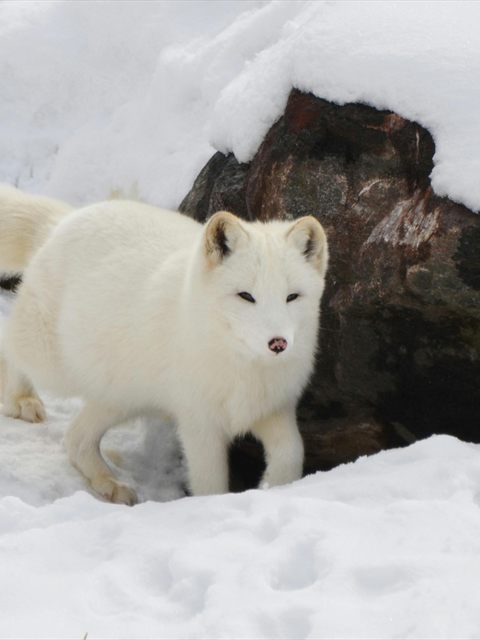
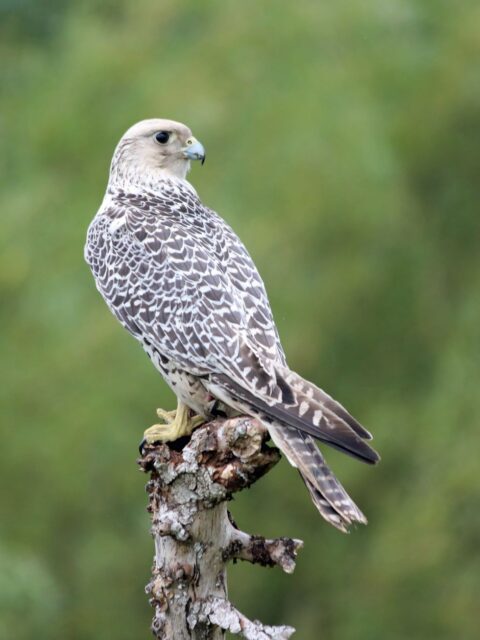
- Arctic Foxes, Golden Eagles, Gyrfalcons, Wolves
- Defense Mechanisms
- They use alarm calls to warn others of predators and can quickly retreat to their burrows for safety.
- Found in Zoos
- Uncommon