


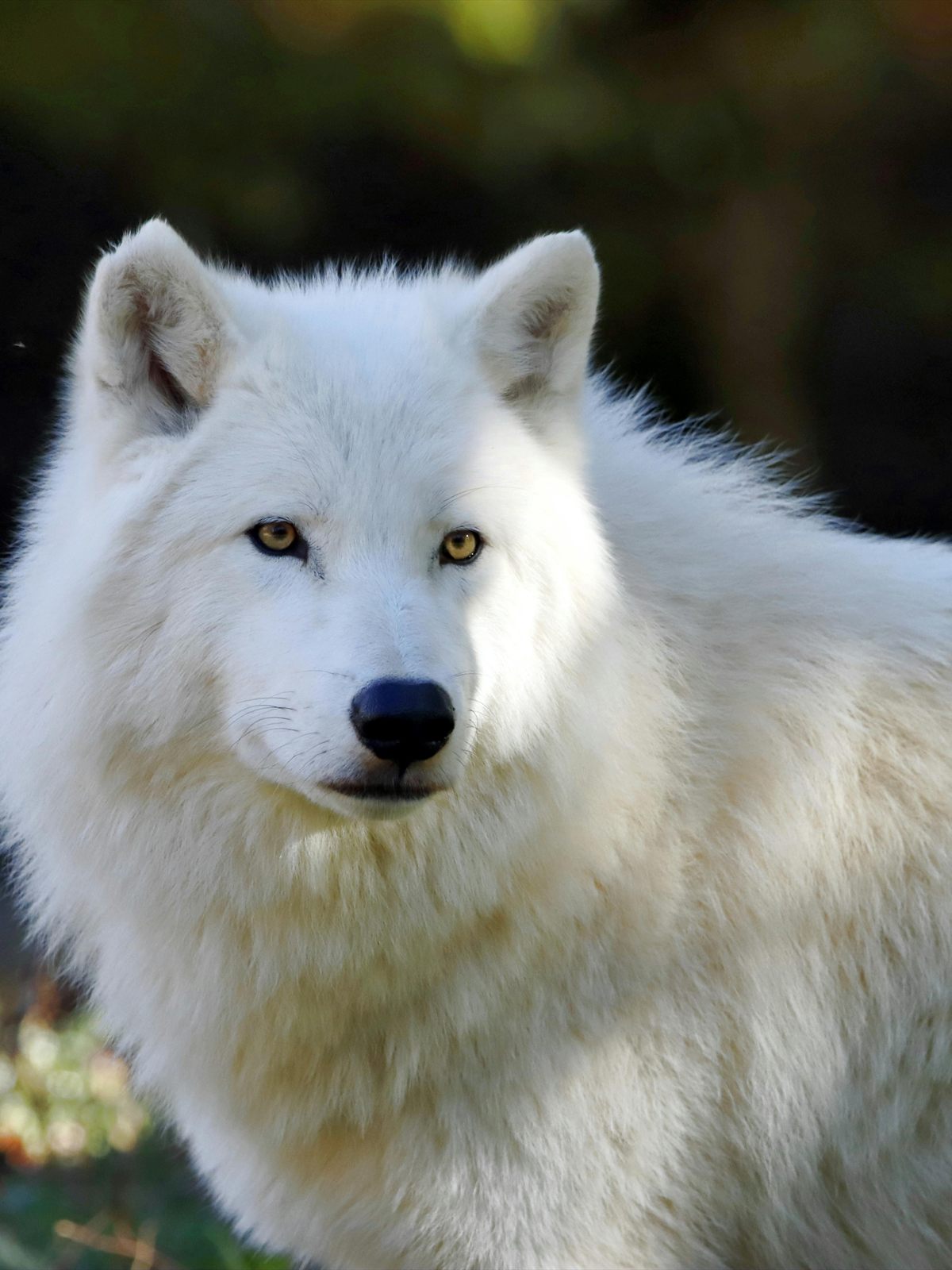
ARCTIC WOLF
DESCRIPTION
The Arctic wolf, a subspecies of the gray wolf, is adapted to the harsh conditions of the Arctic tundra. It has a thick, white or grayish coat that provides insulation against the cold, and its smaller size compared to other wolves helps conserve heat. These wolves are known for their social behavior, often living in small packs, and they have a keen sense of hearing and smell, which aids in hunting and navigating their icy habitat.
FUN FACTS
- Arctic wolves have a unique adaptation that allows them to survive in extreme cold; their fur is not only thick but also has a hollow structure that traps air for insulation
- Additionally, they can travel long distances in search of food, sometimes covering over 20 miles in a single day while hunting for prey
- | Unlike many other wolf species, Arctic wolves have a more limited diet due to their harsh environment, which means they often rely on scavenging when hunting is not successful
- Their social structure is also fascinating, as they often form strong family bonds within their packs, which can lead to cooperative hunting strategies that enhance their survival in the tundra
QUICK INFO
Lifespan7-10 years in the wild, up to 15 years in captivit
Average Weight32-45 kg
Average Length1.2-1.5 m
Diet TypeCarnivore
Social StructurePack, typically consisting of a breeding pair and their offspring.
Activity PatternCrepuscular
Breeding SeasonLate winter to early spring (February-April)
- Habitat
- Arctic wolves inhabit the tundra regions of the Arctic, characterized by cold temperatures, snow, and limited vegetation. They are well-adapted to this environment, often denning in snow or rocky outcrops.
- Biomes
- Tundra
- Native Range
- The Arctic wolf is found in the Arctic regions of North America and Greenland.
- Continent
- North America
- Countries
- Canada, Greenland, United States (Alaska)
- Diet
- Arctic wolves primarily hunt caribou, muskoxen, and smaller mammals like hares and lemmings. They are opportunistic feeders and will scavenge when necessary.
- Diet Type
- Carnivore
- Favorite Food
- caribou, muskoxen
- Social Structure
- Pack, typically consisting of a breeding pair and their offspring.
- Activity Pattern
- Crepuscular
- Group Size
- 2-10
- Territorial
- 1
32-45 kg
Weight
1.2-1.5 m
Length
0.6 m at shoulder
Height (Shoulder)
- Coloration
- Primarily white or light gray, providing camouflage in snowy environments.
- Sexual Dimorphism
- Males are generally larger than females.
- Lifespan
- 7-10 years in the wild, up to 15 years in captivit
- Gestation Period
- 63 days
- Offspring per Birth
- 2-5
- Sexual Maturity
- 2-3 years
- Breeding Season
- Late winter to early spring (February-April)
LC
Least Concern
IUCN Red List Status
- Population Status
- The population of Arctic wolves is relatively stable, but they are affected by climate change and habitat loss.
- Wild Population Estimate
- Unknown, but believed to be in the thousands.
- Population Trend
- Stable
- Endangered
- 0
- Threats
- Main threats include climate change, which affects their habitat, and potential competition with other predators. Human encroachment and hunting can also pose risks.
- Predators
- Humans, polar bears (occasionally), and larger carnivores in overlapping territories.
- Defense Mechanisms
- Arctic wolves rely on their pack structure for defense and use vocalizations to warn of threats.
- Found in Zoos
- Uncommon